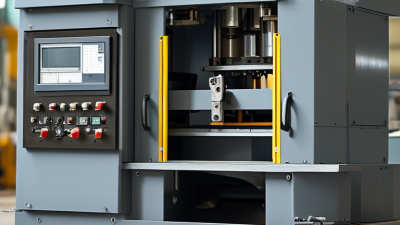
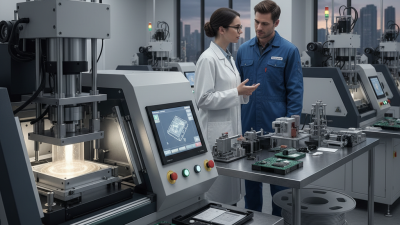
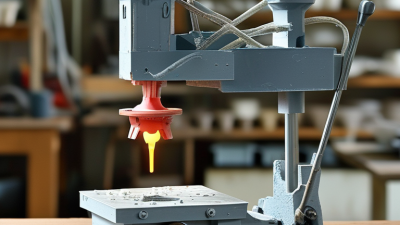
China remains a major sourcing base for industrial molding equipment, but choosing the right supplier requires more than comparing prices. The best low pressure molding machine suppliers combine stable injection control, tested materials, and responsive technical support. This matters in electronics manufacturing, where a small void can weaken moisture protection around a connector or sensor.
Industry demand supports this focus. WSTS reported that the global semiconductor market reached approximately USD 627 billion in 2025, reflecting continued growth in electronic components and related assembly needs. The IPC Electronics Industry Market Data report also tracks expanding complexity across electronics production, including higher reliability expectations and tighter process controls. These trends create practical demand for protective encapsulation, especially in automotive wiring, consumer electronics, medical devices, and industrial sensors. However, market reports rarely separate low-pressure molding equipment from broader injection machinery. That limitation deserves attention.
A credible supplier should provide machine specifications, material compatibility data, sample testing, and documented quality procedures. Buyers should inspect clamping stability, injection repeatability, temperature control, mold-change time, and operator safety features. Ask for production references. See the process running.
China offers many manufacturers, yet their capabilities differ significantly. Some specialize in compact desktop systems, while others build automated lines with robotic loading and inline inspection. Supplier evaluation should therefore consider application experience, not catalog size alone. This guide compares leading Chinese suppliers through technical expertise, manufacturing evidence, service coverage, customization ability, and transparent communication. No ranking is permanently perfect. Requirements change, and even a reputable supplier may not fit every project.
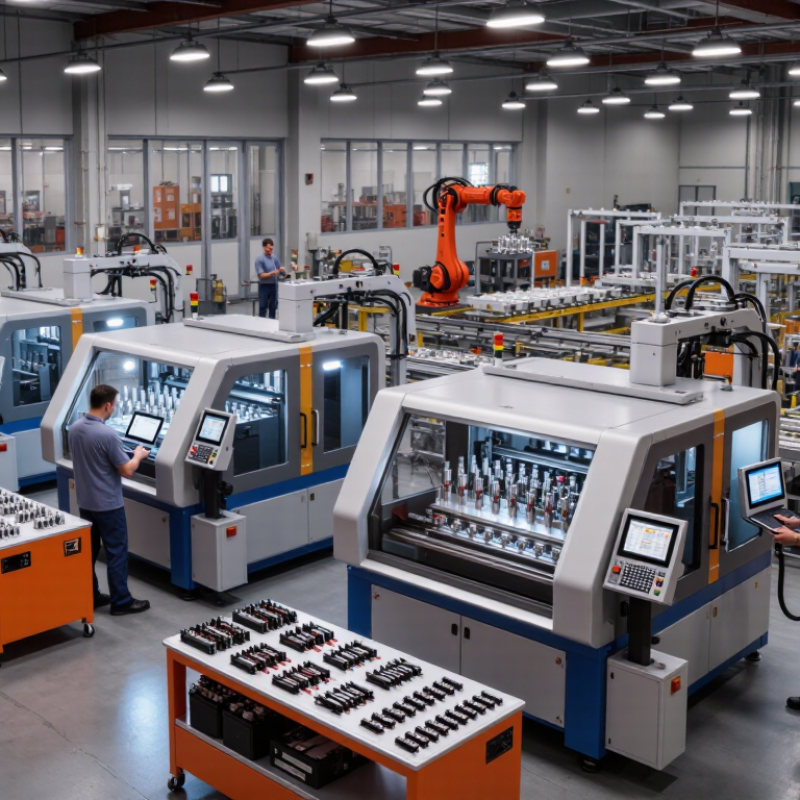
A low pressure molding machine applies heated thermoplastic material around sensitive components. The material flows at controlled pressure, often between 2 and 20 bar, depending on the resin and mold design. This pressure is far lower than conventional injection molding. It helps protect circuit boards, wires, sensors, and small connectors from mechanical stress.
The process is practical. A technician places the assembly into an open mold. The machine heats the resin, injects it gently, and holds the material until it cools. The result is a sealed protective layer with fewer gaps and less manual potting work. Cycle time, resin temperature, and curing behavior still require careful testing. A “simple” machine can produce poor results when moisture or trapped air is ignored.
Grand View Research estimated the global injection molding machine market at about USD 19 billion in 2023, with continued growth expected through 2030. This broader figure does not measure low pressure molding alone, but it reflects rising demand for automated polymer processing.
MarketsandMarkets has also identified electronics manufacturing as a major application area for molding equipment. In practice, buyers should compare pressure stability, temperature control, mold-change time, and material compatibility. The cheapest specification may not deliver the lowest production cost. Sometimes, that lesson arrives after failed samples.
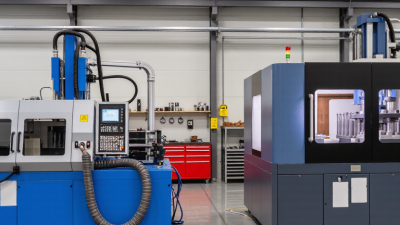
How Do Low Pressure Molding Machines Work?
Low pressure molding machines protect delicate electronic assemblies by surrounding them with warm, flexible thermoplastic material. Operation begins with drying and heating pellets inside a controlled barrel. A screw moves the melted material toward the injection unit. Temperature sensors maintain steady flow, although small variations can affect filling quality. That matters.
The operator places a connector, cable, sensor, or circuit assembly inside a shaped mold. Clamps close the mold without crushing fragile parts. The machine injects molten material at relatively low pressure, often below conventional injection levels. The material flows around wires and components, filling gaps and forming a sealed protective layer. Venting allows trapped air to escape. Poor vent design can leave voids, weak edges, or visible marks.
After injection, the mold holds the part while the material cools and solidifies. Cooling channels control shrinkage and reduce stress around embedded components. The finished piece is removed, inspected, and tested for adhesion, insulation, and water resistance. In practical production, operators adjust pressure, temperature, injection speed, and cooling time together. One setting rarely solves every defect. A reliable machine should provide repeatable control, clear process records, and accessible maintenance points. Supplier claims still require verification through sample trials, measured data, and real production inspections.
| Evaluation Dimension | Typical Data or Standard Range | How It Affects Machine Selection and Operation |
|---|---|---|
| Molding Process | Low-pressure injection and encapsulation of electrical or electronic assemblies | The process protects components while reducing mechanical stress compared with conventional high-pressure injection molding. |
| How the Machine Works | The material is heated until molten, metered, injected into a mold, cooled or cured, and then demolded | Accurate temperature control, stable metering, and controlled injection speed are essential for consistent encapsulation. |
| Injection Pressure | Commonly approximately 3–40 bar for low-pressure molding systems; the actual value depends on material, mold design, and part geometry | Lower pressure helps minimize damage to delicate connectors, sensors, circuit boards, wires, and soldered joints. |
| Material Processing Temperature | Often about 80–150°C for hot-melt molding materials, depending on the formulation | The material must be hot enough to flow but not so hot that it damages heat-sensitive components or insulation. |
| Mold Temperature | Typically controlled from room temperature to approximately 80°C, depending on material and required surface quality | Mold temperature influences flow behavior, filling quality, cooling time, and final appearance. |
| Material Feed System | Common configurations include a heated tank, piston or screw metering unit, heated hose, and injection nozzle | A stable feed system reduces air entrapment, material waste, and shot-to-shot variation. |
| Common Encapsulation Materials | Reactive polyamide hot melts, thermoplastic hot melts, and selected low-temperature thermoplastic compounds | Material choice determines operating temperature, flexibility, chemical resistance, adhesion, and service temperature. |
| Material Properties to Check | Melt viscosity, softening or melting point, curing behavior, adhesion, dielectric strength, and moisture resistance | These properties must match the substrate, electrical requirements, mold geometry, and operating environment. |
| Typical Cycle Time | Commonly tens of seconds to several minutes, depending on shot size, cooling, curing, and part geometry | Cycle time should be evaluated together with material solidification and handling requirements rather than injection time alone. |
| Shot Capacity | Selected according to the component volume, number of cavities, runner design, and required production rate | The machine should provide enough material capacity without creating excessive residence time or thermal degradation. |
| Clamping Requirement | Generally lower than conventional injection molding because the injection pressure is low | Lower clamping force can simplify tooling and reduce the risk of deforming sensitive assemblies. |
| Mold Construction | Molds may be made from aluminum, steel, or other suitable tooling materials; silicone inserts can be used for some applications | Tooling material affects durability, thermal response, dimensional accuracy, and prototype cost. |
| Electrical Protection | Encapsulation can provide insulation, strain relief, vibration resistance, and protection from moisture, dust, and chemicals | The required protection level should be verified through product-specific electrical, environmental, and reliability testing. |
| Typical Applications | Cable junctions, wire harnesses, sensors, connectors, circuit boards, switches, and compact electronic modules | Applications benefit when component protection and low mechanical load are more important than very high molding pressure. |
| Automation Options | Manual loading, semi-automatic operation, programmable temperature control, automatic dosing, and robotic part handling | Automation improves repeatability and throughput, while manual systems can be more economical for prototypes or low-volume production. |
| Key Supplier Qualification Criteria | Verified pressure and temperature ranges, material compatibility, mold support, spare parts, operator training, safety features, and after-sales service | A suitable supplier should demonstrate stable process results with the buyer’s actual material, component, mold, and production requirements. |
Note: The numerical ranges shown are typical industry reference values. Actual operating parameters must be confirmed through the selected material datasheet, mold design, component specifications, and process validation.
A reliable Chinese low pressure molding machine supplier proves value through process control, not attractive product photos. The supplier should understand resin behavior, mold design, curing temperature, and component protection. Ask for test results using your actual cable, sensor, or circuit board. A serious engineering team will explain pressure settings and cycle times clearly. It should also provide machine drawings, electrical specifications, maintenance instructions, and traceable quality records. Clear answers matter.
Factory experience becomes visible during sampling. Inspect the test area, material storage, calibration labels, and finished samples. Request a documented factory acceptance test. It should cover injection pressure, heating stability, emergency functions, and repeatability. Confirm spare parts availability and response times before placing an order. No supplier gets every detail right. I would question any supplier promising perfect results without testing your materials. That confidence can hide weak engineering.
Tips: Compare at least three suppliers using the same technical checklist. Request sample production videos, but do not rely on videos alone. Check whether technicians can adjust the process after defects appear. Review export packaging, installation support, and training plans. Ask for realistic lead times. A cheaper quote may exclude molds, commissioning, or replacement heaters. One overlooked item can delay production. Reliability is built through evidence, communication, and careful verification.
China Best Low Pressure Molding Machine Suppliers?
How to Compare China’s Leading Suppliers
Comparing Chinese low pressure molding machine suppliers requires more than checking prices. Start with process fit. Review injection pressure, melting temperature, mold dimensions, cycle time, and material compatibility. A reliable supplier should provide tested data for your resin, cable layout, and production volume. Grand View Research valued the global injection molding machine market at about USD 15.9 billion in 2023, with steady growth expected through 2030. This growth increases supplier choices, but not necessarily supplier quality.
Ask for traceable factory records, equipment photographs, and a documented factory acceptance test. Check temperature stability during repeated cycles, not only during a demonstration. Request sample parts from your actual components. Inspect encapsulation thickness, air bubbles, edge coverage, and connector alignment. ISO 9001 certification supports process control, but it does not replace an audit. The China National Bureau of Statistics reported manufacturing PMI at 49.9 on average in 2024, suggesting uneven industrial conditions. Lead times and subcontracting risks deserve careful questioning. A low quotation may hide costly commissioning delays.
Tips: Compare total cost, not machine price. Include molds, training, spare parts, freight, installation, and service response time. Ask whether software backups and electrical diagrams are included. One practical lesson is uncomfortable: a polished showroom can conceal weak after-sales support. I would score technical evidence twice, and sales promises once. Supplier comparison is never perfectly objective. Test the machine before signing.
Low pressure molding machines serve industries that need gentle, reliable protection for sensitive components. Automotive manufacturers use them for wiring harnesses, sensors, connectors, and small control modules. The process surrounds parts with hot melt material at relatively low pressure. This helps reduce stress on delicate circuits and seals.
Consumer electronics companies apply low pressure molding to switches, charging assemblies, wearable devices, and compact cable joints. Medical equipment manufacturers may use the process for sensor housings and protected connectors, where clean production and consistent sealing matter. Industrial automation, LED lighting, telecommunications, and battery-related equipment also use these machines. Each sector requires different mold designs, material compatibility, curing control, and inspection procedures. A machine suitable for a cable assembly may not fit a precise medical component. That distinction is easy to overlook.
Tips: Check clamping accuracy, injection stability, temperature control, and mold-change time. Ask suppliers for documented test results using similar parts. Review operator training, maintenance access, and safety functions before purchase. In practice, material selection is not always obvious. A lower processing temperature may protect electronics but reduce bonding strength. Trial molding should examine voids, edge coverage, insulation performance, and aging behavior. Real production data is more valuable than a polished sample. Suppliers with engineering experience can help refine cycle settings, but buyers should verify every claim through practical testing.
Typical midpoint of injection-pressure ranges used for protecting sensitive electrical and electronic components.
Low-pressure molding is widely used in automotive wiring, consumer electronics, industrial controls, medical devices, LED lighting, and renewable-energy electronics. Actual pressure depends on the compound, mold design, component geometry, and sealing requirements.