2026 How to Choose the Best Low Pressure Molding Machine?
Choosing the right low pressure molding machine is crucial for manufacturers. According to Dr. Emily Carter, a leading expert in the molding industry, “The choice of machinery impacts product quality and production efficiency.” With so many options available, it can be overwhelming. Factors such as material compatibility, machine size, and production speed matter significantly.
Many manufacturers often overlook these factors. It's easy to prioritize price over quality. However, investing in a high-quality low pressure molding machine can lead to better long-term outcomes. Optimal machinery can enhance process reliability and reduce waste. Understanding your specific production needs is essential before making a choice.
Mistakes in selection can be costly. Industry data shows that improper machines lead to increased downtime. Taking time to assess all aspects ensures a wise investment. Reflecting on your production goals is key to selecting the best equipment. The right low pressure molding machine can streamline operations and elevate product outcomes.
Understanding Low Pressure Molding Machines and Their Applications
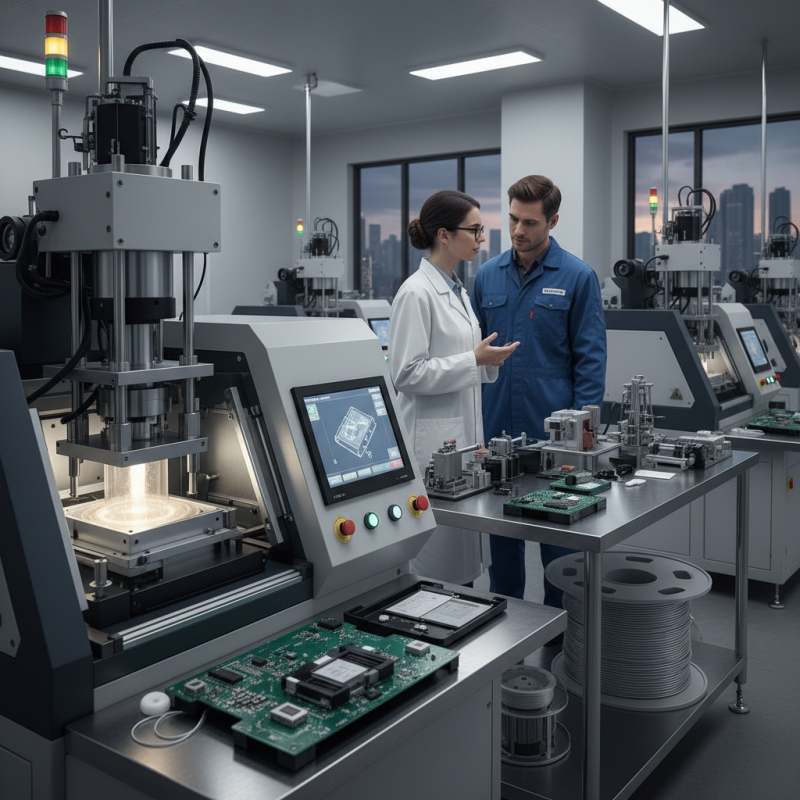
Low pressure molding machines play a vital role in various industries. They are essential for creating durable, high-quality parts with precision. Their applications span electronics, automotive, and even medical devices. These machines use thermoplastic materials to encapsulate components, providing protection against moisture and mechanical stress.
Choosing the right machine can be challenging. It's crucial to understand your specific application needs. Factors like material compatibility and production rates are paramount. Additionally, assessing the machine's control systems for ease of use is beneficial.
Tip: Always test different materials before settling on one. It can save time and ensure the best fit for your project.
The reliability of a low pressure molding machine also comes from the quality of its components. Regular maintenance ensures longevity. However, certain machines may still suffer from performance issues, requiring adjustments or troubleshooting. A proactive approach to maintenance can help reduce unexpected downtime.
Tip: Document all maintenance activities. This record can be invaluable for future troubleshooting and assessments. Remember, learning from your experiences with different machines leads to better decision-making.
Key Factors to Consider When Selecting a Low Pressure Molding Machine
When selecting a low pressure molding machine, several key factors come into play. Consider the size and capacity of the machine. It must fit your specific production needs and the space available in your facility. Pay attention to the molds you intend to use. Molding machines should accommodate various mold designs seamlessly for optimal productivity.
Tips: Always evaluate your future growth. Will you expand your production line? Choose a machine that can scale with your operation.
Another vital aspect is the heating method. Understand the different heat sources and their efficiency. An efficient heating system can significantly impact the cycle time and product quality. Moreover, look at the user interface. A machine easy to operate can save time and reduce training costs.
Tips: Involve your team in the selection process. Their feedback can provide valuable insights. Also, consider the machine’s maintenance requirements. Frequent downtime can be costly in the long run.
Finally, check the manufacturer's reputation and after-sales support. Investing in a machine is a critical decision, and reliable support can make a difference when issues arise.
2026 How to Choose the Best Low Pressure Molding Machine? - Key Factors to Consider When Selecting a Low Pressure Molding Machine
| Factor |
Description |
Considerations |
| Machine Size |
The physical dimensions of the machine that affect workspace and part size. |
Ensure it fits in your production area; consider the size of the mold. |
| Pressure Range |
The range of pressure the machine can operate within for molding. |
Match the pressure requirements of your specific application. |
| Cycle Time |
The time it takes for the machine to complete a molding cycle. |
Consider production volume and efficiency needs. |
| Control System |
The technology used for operating and automating the machine. |
Look for user-friendly interfaces and programmability. |
| Material Compatibility |
Types of materials that the machine can effectively mold. |
Ensure the machine is suitable for your specific materials. |
| Maintenance Needs |
Frequency and type of maintenance required for optimal operation. |
Consider ease of access to parts and service intervals. |
Comparing Different Types of Low Pressure Molding Technologies
Choosing the right low pressure molding machine can be a challenge. Different types of low pressure molding technologies offer unique advantages. Understanding these technologies is key to making an informed decision.
One popular method is the polyurethane low pressure molding. This technique involves using polyurethane materials. It provides excellent thermal resistance and durability. However, it may not always fit every application. Always consider the specific needs of your project.
Thermoplastic low pressure molding is another option. It allows for rapid production cycles. This method is great for high-volume needs but can have limitations in temperature resistance. Careful evaluation of the finished product's requirements is essential.
When making a choice, think about your production environment. Understand the characteristics of the materials you will use. Do you need flexibility or rigidity in the final product?
Tips: Always consult with professionals who have experience in low pressure molding. Their insights can help you navigate the complexities of the various technologies. Additionally, focus on user feedback about machine performance before purchasing. Every project is unique, and learning from others can save time and resources.
Evaluating Machine Features and Specifications for Optimal Performance
When selecting the ideal low pressure molding machine, evaluating machine features and specifications is crucial for optimal performance. Start by assessing the mold temperature range. A temperature variation can affect material flow and cure times significantly. For instance, a report from the Society of Plastics Engineers revealed that temperature variations beyond 10% can lead to a 20% increase in defects.
Another critical feature is the clamping force. Insufficient clamping can result in flash or incomplete fills. A solid machine should offer a clamping force that aligns with material requirements. Many machines on the market provide adjustable settings, allowing for more versatility. Yet, not all machines deliver consistent results across various applications. Users often overlook this aspect, which may lead to operational inefficiencies.
**Tip:** Always consult technical documentation to understand the machine’s capabilities fully.
Additionally, consider the ease of use, particularly the control interfaces. Complex interfaces can slow down operations and increase training time. Reports show that user-friendly designs can enhance productivity by up to 30%. Look for machines with intuitive controls that streamline operation.
**Tip:** Engage with current users to gain insights about real-world performance.
Remember, every feature adds to operational costs. Balancing cost with necessary features is vital to avoid over-investment. Prioritize features that promise reliability and decreased downtime.
2026 Low Pressure Molding Machine Features Comparison
Budgeting and Cost Considerations for Low Pressure Molding Machines
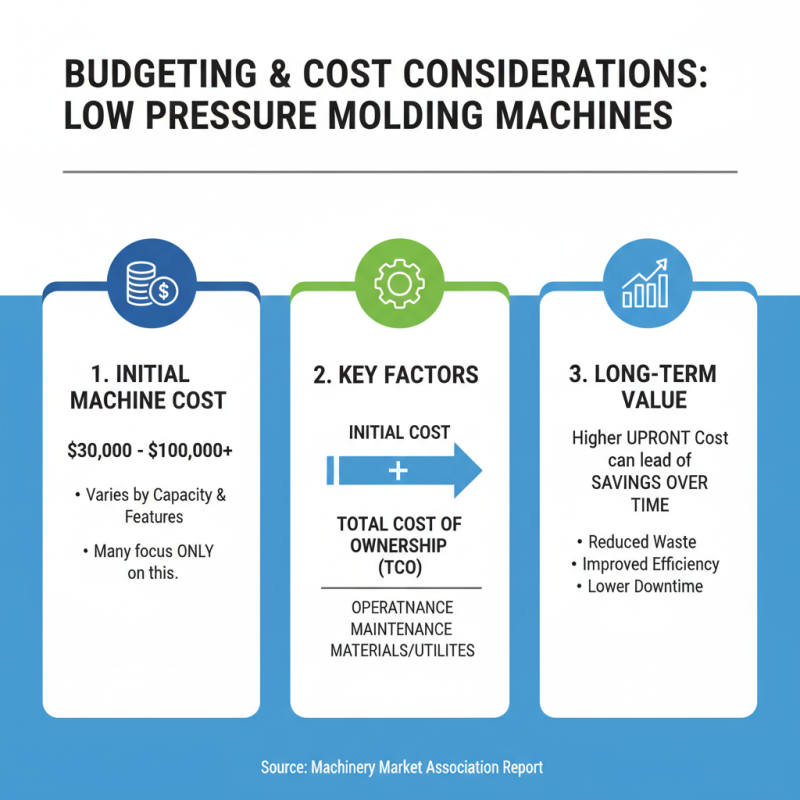
When budgeting for low pressure molding machines, understanding total costs is crucial. A quality machine can range from $30,000 to over $100,000. This price varies based on capacity and features. A report by the Machinery Market Association indicates that a significant portion of buyers focuses primarily on initial costs. However, long-term savings can offset higher upfront expenses.
It's essential to consider additional costs, such as maintenance and material expenses. These machines often require specific types of molds and materials, which can increase the overall expenditure. Research indicates that unexpected maintenance can account for up to 15% of operational costs annually. Companies often underestimate these figures, impacting budget effectiveness.
**Tip:** Allocate a portion of your budget for unforeseen repairs. This will ensure smoother operations.
Another point to reflect on is the potential for financing options. Many manufacturers provide leasing programs that can alleviate upfront costs. It's worth exploring these alternatives. Choosing wisely will depend on your production needs and expected output.
**Tip:** Consult with industry experts. They can provide insights on what specifications align best with your business objectives.