Why Choose Vertical Expander Machine for Efficient Production Benefits
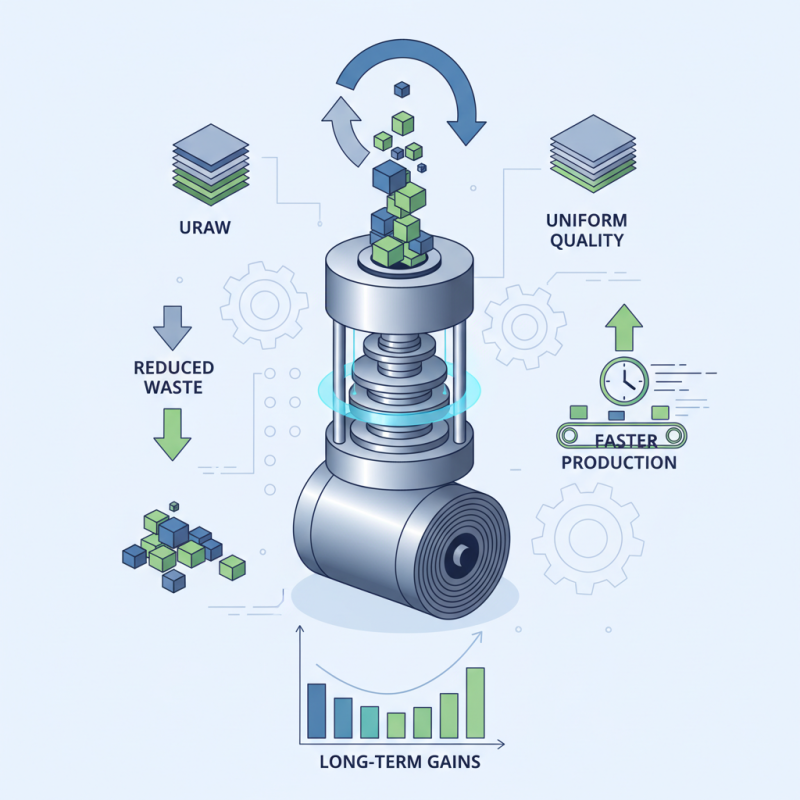
In today's fast-paced manufacturing environment, efficiency is critical. The Vertical Expander Machine stands out as a valuable tool for optimizing production. Its design enhances material processing, significantly reducing waste. This machine effectively expands materials, creating uniform thickness and improving overall quality.
Many industries have adopted vertical expanders to meet growing demands. The machine’s functionality ensures faster production times. However, some may question whether the investment is truly worthwhile. Addressing these concerns is crucial. Users report decreased downtime and higher throughput, proving its reliability and effectiveness. Factors to consider include initial costs versus long-term gains.
Choosing a Vertical Expander Machine could transform your production line. Yet, it is essential to assess specific needs and challenges. Like any technology, it may not be a solution for everyone. Careful consideration is key, along with seeking expert advice. The benefits are clear, but the decision must be well-informed.
Advantages of Vertical Expander Machines in Production Efficiency
Vertical expander machines have gained attention for their role in enhancing production efficiency. These machines utilize a unique approach that compresses materials and expands them effectively. This dual function leads to higher throughput and better product quality. Businesses face constant pressure to improve output without compromising quality, making vertical expanders an appealing choice.
One significant advantage is their space efficiency. Unlike traditional systems, vertical expanders occupy less floor space. This maximizes valuable production areas, allowing manufacturers to invest in more advanced technologies. Improving space utilization can directly impact the bottom line by reducing overhead costs.
Tip: Regular maintenance can ensure optimal performance. Check for wear and tear to keep your machine running smoothly.
Additionally, vertical expanders reduce energy consumption compared to their horizontal counterparts. These machines often integrate advanced controls for energy efficiency. This not only cuts costs but also aligns with sustainability efforts. Efficiently using energy contributes to lower operational footprints.
Tip: Monitor energy usage regularly. This can help identify potential areas for improvement.
While vertical expanders offer many benefits, they require careful analysis before implementation. Understanding the specifics of your production needs is crucial. Making the right choice involves assessing capacity, product types, and workflow requirements.
Production Efficiency Benefits of Vertical Expander Machines
Key Features of Vertical Expander Machines
Vertical expander machines have gained popularity in modern manufacturing due to their numerous benefits. One key feature is their compact design. This allows them to fit into various production environments without taking up excessive space. Their vertical orientation also reduces the chance of material spills, which is crucial for maintaining a clean workspace.
Another significant aspect is their high efficiency. Vertical expanders can handle multiple tasks simultaneously. This capability leads to reduced cycle times and increased output. Users often appreciate the ability to process different materials without significant adjustments. The versatility in applications, from food production to textiles, proves their adaptability.
Moreover, vertical expander machines often require less maintenance than traditional equipment. This reliability promotes smoother operations and minimizes downtime. However, operators must still be aware of proper usage guidelines. Improper handling can lead to performance issues. Regular training ensures that personnel remain effective. Such careful attention to detail can make a substantial difference in production quality.
How Vertical Expanders Improve Manufacturing Workflow
Vertical expander machines have revolutionized manufacturing efficiency. By allowing for precise material shaping, they reduce waste and enhance productivity. These machines utilize a vertical orientation that optimizes space and streamlines workflow. With a compact design, they fit seamlessly into any production line, making them an excellent choice for various industries.
Improving manufacturing workflow is a primary advantage of vertical expanders. Their quick setup times allow for rapid changes between tasks. Workers can easily adjust settings, minimizing downtime. Precision is crucial; these machines ensure materials are expanded uniformly. This consistency leads to higher quality products and fewer reworks.
However, there are challenges. The initial learning curve can slow down operators. It's not uncommon for teams to face setbacks while mastering the equipment. Regular maintenance is essential to prevent breakdowns, which can disrupt production. Continuous training can mitigate these issues, fostering a more skilled workforce. Embracing vertical expanders can lead to lasting improvements, yet they demand an investment in both time and resources.
Why Choose Vertical Expander Machine for Efficient Production Benefits - How Vertical Expanders Improve Manufacturing Workflow
| Feature | Benefit | Impact on Workflow |
| Increased Material Efficiency | Reduces waste during production | Streamlines material handling and reduces costs |
| Faster Production Speeds | Shortens manufacturing time | Increases overall output and efficiency |
| Versatility in Design | Accommodates various product designs | Enhances flexibility in production lines |
| Low Maintenance Requirements | Reduces downtime and repair costs | Maintains consistent production flow |
| Enhanced Product Quality | Produces high-quality final products | Improves brand reputation and customer satisfaction |
Comparative Analysis: Vertical Expanders vs. Traditional Machines
When analyzing the production efficiency in machinery, vertical expanders stand out against traditional models. A study by the Manufacturing Technology Association indicated that vertical expanders can increase output by up to 30%. This is largely due to their design, which optimizes material handling and reduces downtime during setup. Efficiency is key in competitive markets, and vertical expanders meet this demand effectively.
Additionally, a report from the American Society of Mechanical Engineers highlights that vertical expanders consume 20% less energy compared to conventional machines. This energy saving not only reduces operational costs but also aligns with the growing push for sustainable practices in manufacturing. However, the upfront investment in vertical expander technology poses a challenge for some businesses. Companies need to weigh the long-term gains against initial costs carefully.
Despite the advantages, caution is warranted. Transitioning to vertical expanders involves retraining staff and adapting operational workflows. Missteps can lead to temporary drops in productivity. Ultimately, the right choice hinges on specific production needs and available resources. Evaluating these factors will help businesses leverage the full potential of vertical expansion technology.
Industry Applications: Where Vertical Expanders Excel in Production
Vertical expander machines are gaining popularity across various industries. They are especially effective in sectors like food processing, textile manufacturing, and automotive. In food production, these machines enhance the texture of products. They improve aeration, which is crucial for baked goods. Producers find that using vertical expanders results in a lighter and fluffier final product.
In textile manufacturing, vertical expanders help create more uniform fabrics. The machines ensure consistent tension and stretch, which enhances fabric quality. This uniformity leads to better dye absorption and fewer defects. However, some manufacturers encounter challenges with machine calibration, affecting output. Regular maintenance is vital for optimal performance.
The automotive industry also benefits from vertical expanders. These machines assist in producing lightweight components that meet safety regulations. Better material efficiency is achieved, reducing waste. Yet, some engineers report difficulties in integrating these machines with existing lines. Addressing these challenges is essential for maximizing efficiency.
