Top 10 Paper Processing Machines for Global Buyers?
In the fast-evolving paper industry, the need for efficient and advanced Paper Processing Machines is pivotal. According to a recent report by Smithers Pira, the global demand for paper products is expected to reach 400 million tons by 2025. This surge heightens the necessity for innovative machinery that can enhance production efficiency and reduce waste. Key players in the market are investing significantly in automation and technology to keep pace with demand.
Yet, sourcing the right Paper Processing Machine is not without challenges. Buyers face a myriad of options, each with varying capabilities and costs. It's crucial for manufacturers and suppliers to focus on reliability and long-term performance. Industry averages indicate that machines with superior automation can improve production rates by up to 30%. However, this potential can only be realized with the right fit between machine capabilities and production needs.
With market ambiguities and varying specifications, the quest for the top Paper Processing Machines can be daunting. Relying on expert reviews, trade reports, and case studies is essential. This article explores the top ten machines, emphasizing design, efficiency, and user satisfaction. As we delve deeper, it’s vital to weigh opinions, scrutinize performance metrics, and stay informed about advancements in technology.
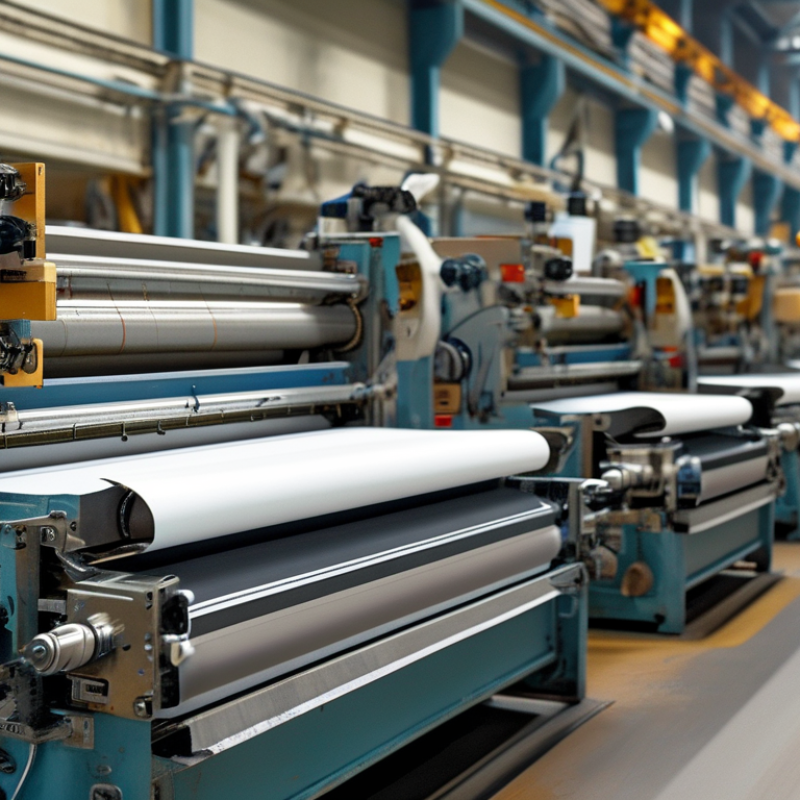
Overview of Paper Processing Machines in the Global Market
The global market for paper processing machines has evolved rapidly. Innovation drives the demand for these machines, particularly in regions like Asia and Europe. Companies are investing heavily in advanced technology. Automation is a key factor, enhancing efficiency and reducing waste. Many manufacturers focus on creating versatile machines that can handle different types of paper. This flexibility meets the diverse needs of buyers worldwide.
Sustainability also plays a significant role in the market. Eco-friendly materials are becoming increasingly important in machine design. Buyers are looking for machines that minimize environmental impact. However, not all machines meet these expectations. Some may still rely on outdated practices that contribute to waste. It highlights the importance of thorough research before making a purchase.
Additionally, the landscape is not without its challenges. Supply chain disruptions have affected availability. Potential buyers need to consider these factors. Understanding the specifications and capabilities of different machines is crucial. The right choice can lead to improved production efficiency. However, making a decision is often complex and requires careful consideration.
Key Features to Consider When Choosing Paper Processing Machines
When selecting paper processing machines, key features play a crucial role. Efficiency is paramount. Look for machines that offer high-speed processing capabilities. This can dramatically improve production rates. Additionally, consider the size and scale of your operations. A compact machine may fit small spaces but limit your output. Larger machines often come with advanced automation features, enhancing productivity.
Another important aspect is versatility. Machines that handle various paper types provide flexibility in your production line. Consider if the machine can process recycled paper or specialty stocks. This adaptability can be beneficial in meeting diverse customer demands. Additionally, user-friendliness should not be overlooked. A machine that is complicated can lead to frequent operator errors. Training time increases, costing both time and resources.
Maintenance is often an underestimated element. Investigate how easy it is to perform regular upkeep. Machines that require less maintenance can save considerable money in the long run. Warranty and service support are essential too. Effective support ensures quick resolution of issues, reducing downtime. Reflecting on these features can lead to more informed and satisfactory purchasing decisions.
Top 10 Paper Processing Machines for Global Buyers
| Machine Type | Key Features | Processing Capacity (kg/h) | Power Consumption (kW) | Weight (kg) | Price Range (USD) |
| Cutting Machine | High precision, automatic feeder, adjustable speed | 1200 | 5.5 | 150 | 3000 - 5000 |
| Folding Machine | High speed, programmable settings, multi-fold options | 1000 | 4.0 | 120 | 2500 - 4500 |
| Printing Machine | Color accuracy, fast drying, user-friendly interface | 800 | 6.5 | 450 | 10000 - 20000 |
| Binding Machine | Quick binding, multiple binding styles, safety features | 500 | 2.0 | 95 | 1500 - 3000 |
| Lamination Machine | Heat bonding, auto feed, thickness adjustment | 700 | 3.5 | 180 | 2000 - 4000 |
| Perforating Machine | Adjustable hole size, automatic operation, compact design | 300 | 1.5 | 75 | 800 - 1500 |
| Slitting Machine | High-speed slitting, precise width control, robust design | 900 | 4.0 | 200 | 1800 - 3200 |
| Rewinding Machine | Adjustable tension, automatic cut-off, easy operation | 600 | 3.0 | 160 | 1300 - 2500 |
| Embossing Machine | Design flexibility, high durability, various embossing patterns | 500 | 4.5 | 120 | 2500 - 5300 |
Top 10 Paper Processing Machines: Specifications and Capabilities
The paper processing industry is evolving rapidly, with technology driving efficiency and sustainability. Many machines are designed to boost production while meeting stringent environmental standards. For instance, machines capable of recycling waste paper are gaining traction. According to a 2022 report from Smith Global, the recycling machinery market is expected to grow by 7.5% annually, reflecting a shift towards eco-friendly solutions.
In terms of specifications, operators are increasingly seeking machines that offer high throughput and versatility. A leading report by TechMarket Insights highlights that advanced paper processing machines can handle various paper grades. These machines can achieve speeds up to 600 meters per minute, a critical feature for high-volume production environments. Moreover, automation features are becoming essential. Machines with programmable logic controllers ensure precision and reduce human error. This capability is crucial as production demands rise while labor shortages remain a concern.
Yet, challenges persist. The initial investment for these advanced machines remains significant. Smaller enterprises often struggle to adapt, facing high operational costs. Moreover, industry professionals must ensure that their staff is well-trained. The need for skilled operators can lead to productivity dips during transitions. Balancing these elements is key to harnessing the potential of modern paper processing technology.
Comparative Analysis of Leading Brands in Paper Processing Technology
The paper processing industry is experiencing significant growth, with a projected compound annual growth rate (CAGR) of 4.5% over the next five years. This growth reflects the robust demand for efficient and innovative technologies. As buyers seek the best machines, a comparative analysis of leading brands reveals critical insights into performance, durability, and cost-effectiveness.
One area where many machines excel is energy efficiency. Reports indicate that modern paper processing machines consume up to 20% less energy than previous models. This improvement not only reduces operational costs but also aligns with global sustainability goals. High-speed options are now able to process up to 2,000 sheets per minute, further enhancing productivity. However, this remarkable speed sometimes compromises the quality of finished products, an aspect various brands still need to address.
Another significant factor is user-friendliness. Many users report frustration with complex interfaces that require extensive training. In response, some manufacturers have prioritized intuitive designs. Yet, not all brands have successfully implemented this feature, leaving customers longing for simpler operations. A focus on customer feedback can lead to improvements in this area, enhancing overall satisfaction and efficiency. Balancing efficiency, quality, and user experience remains a challenge for many brands in the paper processing machinery market.
Future Trends in Paper Processing Machines and Innovations
The paper processing industry is evolving rapidly. Recent reports indicate a shift towards automation and smart technologies. Innovations are enhancing efficiency and reducing waste. In fact, the global paper processing machines market is expected to grow at a CAGR of over 4% from 2023 to 2030.
Sustainability is a driving force behind new developments. Many companies are adopting eco-friendly practices, aiming for biodegradable materials. Reports show that up to 70% of manufacturers are investing in green technologies. This creates a demand for machines that minimize environmental impact. Innovations such as water-based inks and energy-efficient systems remain on the rise.
However, challenges persist. High initial costs can deter smaller players from investing in new equipment. Additionally, the rapid pace of technological change may leave some businesses struggling to keep up. This often leads to a gap in capabilities between large and small manufacturers. Exploring these trends reveals both opportunities and obstacles for global buyers in the paper processing arena.
