What Are the 2026 Top Molding Products?

What are the 2026 top molding products? The answer depends on application, material, production volume, and performance expectations. A medical housing needs clean surfaces and tight tolerances. An automotive duct needs heat resistance, dimensional stability, and reliable long-term performance. A reusable food container needs safe materials, consistent walls, and traceable manufacturing records. The best molding products are not always the newest or most heavily advertised.

This guide examines injection molding components, compression-molded parts, blow-molded containers, silicone products, and advanced tooling solutions expected to gain attention in 2026. It considers practical details, including mold cooling, cycle time, surface finish, flash control, warpage, and maintenance access. Small flaws matter. A visible weld line can weaken confidence, while poor cooling can quietly increase rejection rates. Supplier experience also matters, especially when a design moves from prototype production to thousands of units.

Reliable evaluation requires more than a product brochure. Buyers should review material certificates, dimensional inspection reports, process-control records, and relevant safety documentation. Recycled or bio-based materials may reduce environmental impact, but their consistency must be verified. Sustainability claims can sound impressive. They still need evidence.

Some forecasts may prove wrong. Market demand, resin availability, automation costs, and environmental requirements can change quickly. Therefore, this overview treats 2026 trends as informed possibilities, not guaranteed outcomes. It focuses on measurable value, responsible sourcing, and proven performance, helping engineers, purchasing teams, and product designers compare molding products with greater confidence.
What Are the 2026 Top Molding Products?

What Defines a Top Molding Product in 2026?

What Defines a Top Molding Product in 2026?

A top molding product begins with measurable performance, not attractive packaging. It should hold tight dimensions, resist heat and impact, and remain stable after repeated use. ISO 20457 emphasizes controlled tolerances for injection-molded parts. In practice, that means fewer warped edges, uneven walls, and failed assemblies. The details matter. A product that passes one factory inspection may still disappoint after months of vibration, washing, or sunlight exposure. Durability testing must reflect real conditions, not only laboratory comfort.

Material efficiency is equally important. The OECD’s Global Plastics Outlook reported 353 million tonnes of plastic waste in 2019, while only 9% was recycled. This places pressure on molding products to use less material and support practical recovery. Designers should reduce unnecessary ribs, simplify material combinations, and mark polymer types clearly. The United States Environmental Protection Agency reported that only 8.7% of plastic waste was recycled in 2018. That number is difficult to ignore. Recycled content can help, but it may also create color variation, odor, or weaker impact strength.

Smart production will define the strongest products in 2026. Sensors can monitor cavity pressure, cooling time, and dimensional drift during each cycle. The data supports traceability and faster corrective action. Still, automation is not proof of quality. I have seen highly monitored processes preserve a flawed design. A top molding product should therefore balance precision, repairability, responsible material use, and verified service life. Its sustainability claim should include evidence, not optimism.

Key Materials and Technologies Shaping Molding Products

What Are the 2026 Top Molding Products?

Key Materials and Technologies Shaping Molding Products

In 2026, high-performance molding products will rely on material choices made for specific environments. Recycled engineering polymers are gaining attention in automotive, appliance, and industrial housings. They reduce virgin material use, but their color consistency can still vary between production batches. Bio-based polymers offer another option, although heat resistance and supply stability need careful verification.

Lightweight products will increasingly use glass-fiber composites, foamed polymers, and multi-material structures. These materials can reduce weight while preserving stiffness. However, fiber orientation may create weak points around sharp corners and threaded openings. Experienced mold designers now study flow behavior, cooling rates, and shrinkage before finalizing tool geometry. Small changes matter.

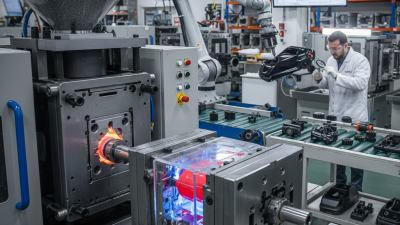
Electric molding machines, in-mold sensors, and automated inspection systems are shaping more controlled production lines. Sensors can monitor cavity pressure and temperature during each cycle. Process software can then identify drift before visible defects appear. Digital simulation also helps predict warpage, weld lines, and air traps. It is useful, not perfect. Real molds still reveal surprises that simulations miss.

Additive manufacturing is improving conformal cooling channels and faster prototype tooling. These tools may shorten development time and improve surface consistency. Yet, their durability requires testing under real production loads. Reliable manufacturers will document material batches, machine settings, inspection results, and corrective actions. That discipline often matters more than a flashy technology.

Leading Molding Products Across Major Industry Categories

What Are the 2026 Top Molding Products? The answer changes by industry, not by a single bestseller. Injection-molded automotive housings, battery trays, and interior components remain major volume products. Grand View Research valued the global injection-molded plastics market at about $284 billion in 2023. Its forecast indicates steady growth through 2030, supported by transport, packaging, and consumer applications. These figures describe capacity, not guaranteed profitability.

In packaging, thin-wall containers, closures, and reusable transport crates lead purchasing discussions. Smithers’ 2024 analysis expects global rigid plastic packaging demand to continue expanding through 2028. Recycled-content targets are reshaping material selection.

In construction, molded pipe fittings, insulation components, drainage parts, and decorative profiles benefit from durability and repeatable dimensions. A 2024 assessment from Grand View Research identifies construction as a strong end-use sector for plastic processing. Tooling precision matters here. A small warpage error can stop field assembly.

Medical molding favors sterile trays, diagnostic housings, fluid-handling parts, and laboratory components. Electronics demand miniature connectors, protective enclosures, and thermal-management parts. MarketsandMarkets’ 2024 injection molding study links growth to medical, electronics, and automotive applications. Lightweighting can reduce assembly steps.

Yet “top” should not mean cheapest. Cycle time, traceability, mold maintenance, and end-of-life recovery often decide real value. Some recycled polymers still show inconsistent color or shrinkage. That weakness deserves testing, not marketing language.

How to Compare Molding Products by Performance and Cost

What Are the 2026 Top Molding Products?

Comparing molding products requires more than checking the purchase price. Injection molding remains strong for high-volume parts, especially when repeatability and tight tolerances matter. MarketsandMarkets projects the injection molding machine market to grow from about USD 15.8 billion in 2023 to USD 20.1 billion by 2028. That growth reflects demand for automation, shorter cycles, and lower material waste. However, machine cost can hide maintenance, tooling, energy, and cooling expenses. Measure the complete cost per acceptable part.

Performance should match the product’s geometry and production volume. Compression molding can suit thermoset components that need heat resistance and dimensional stability. Blow molding fits hollow containers, while liquid silicone molding supports flexible, detailed parts. Grand View Research reports continued growth in the global injection molded plastics market, with automotive, packaging, and medical applications driving demand. Compare cycle time, clamping force, scrap rate, surface quality, and mold life. Small details matter. A two-second cycle reduction may create major savings across millions of parts. Yet faster is not always better. Excessive speed can increase flash, warping, and inspection failures. An honest cost model should include rejected parts and operator adjustments. That is where many comparisons become imperfect. According to the International Energy Agency, industrial energy efficiency remains central to manufacturing competitiveness, so energy per part deserves a clear line in every quotation.

What Are the 2026 Top Molding Products?

Comparing common injection-molding materials by tensile strength, heat-deflection temperature, and typical material cost

Engineering values shown are representative midpoints of commonly published material ranges for injection-molding grades. Cost is an indicative raw-material range in USD per kilogram and varies by grade, order volume, region, additives, and market conditions. Higher performance does not always mean lower total cost; processing requirements and part-life expectations should also be evaluated.

Emerging Trends Influencing the Future of Molding Products

What Are the 2026 Top Molding Products?

Emerging Trends Influencing the Future of Molding Products

By 2026, leading molding products will be defined less by appearance and more by measurable performance. Manufacturers are adopting recycled polymers, bio-based resins, and lightweight compounds. These materials can reduce waste, but they demand tighter moisture control and stable drying. Smart molds are advancing. Sensors can track cavity pressure, temperature, and cycle variation in real time. That data helps technicians prevent flashing, short shots, and inconsistent dimensions before large batches fail. Energy-efficient electric systems and modular tooling are gaining attention because they shorten setup time and reduce idle power.

Micro molding, conformal cooling, and hybrid tooling will shape high-precision products for medical, electronic, and wearable applications. Additive tool inserts can create cooling channels that conventional machining cannot reach. However, printed tooling may wear faster under demanding cycles. A careful pilot remains essential. Reliable suppliers should provide material certificates, dimensional reports, and traceable process data. Those records support repeatability and make corrective decisions easier. Product teams should also question whether every complex feature improves function. Extra detail can increase cost, maintenance, and failure risk.

Tips: Start with a small production trial. Measure cycle time, scrap rate, energy use, and part consistency. Ask for test conditions, not vague performance claims. Keep one conventional option for comparison. It may expose uncomfortable trade-offs.

What Are the 2026 Top Molding Products? - Emerging Trends Influencing the Future of Molding Products

2026 Outlook Rank Molding Product Category Common Materials Main 2026 Demand Driver Key Emerging Trend Typical Applications Circularity Potential Technology Readiness
1 Lightweight Automotive Structural Parts Glass-fiber reinforced polyamide, polypropylene, thermoplastic composites Vehicle weight reduction, electric vehicle efficiency, and integrated component design Hybrid molding, long-fiber reinforcement, and part consolidation Battery housings, front-end modules, seat structures, underbody shields Medium–High Mature
2 Battery and Electrical Enclosure Components Flame-retardant polycarbonate blends, polyamide, thermoset composites Electrification, thermal management, electrical insulation, and safety requirements High-voltage insulation, flame-retardant formulations, and liquid-cooling integration Battery module covers, busbar carriers, charging connectors, power electronics housings Medium Mature
3 Medical and Healthcare Precision Molding Polypropylene, polyethylene, polycarbonate, medical-grade elastomers Growth in single-use devices, diagnostic testing, and home healthcare Micro-molding, cleanroom production, traceability, and automated inspection Syringe components, diagnostic cartridges, inhaler parts, fluid-management devices Medium Mature
4 Recycled-Content Packaging Components Recycled PET, recycled polypropylene, recycled polyethylene Packaging waste reduction, recycled-content targets, and extended producer responsibility policies Design for recycling, mono-material structures, and improved sorting compatibility Caps, closures, thin-wall containers, trays, transport packaging High Mature
5 Biobased and Compostable Molded Products PLA, PHA, starch blends, cellulose-based compounds Renewable feedstock demand and applications with controlled end-of-life collection Material-specific compostability, bio-based content verification, and improved heat resistance Food-service items, agricultural products, specialty packaging, consumer accessories Medium–High Developing
6 Consumer Electronics Miniature Components Polycarbonate, ABS, polyamide, liquid-crystal polymers Device miniaturization, connected products, and demand for precise cosmetic finishes Micro-injection molding, insert molding, thin-wall processing, and automated quality control Wearable housings, sensor covers, connectors, camera and control components Medium Mature
7 Additively Manufactured Molds and Inserts Tool steel, aluminum, polymer composites, photopolymer resins Shorter tooling lead times, complex cooling channels, and economical low-volume production Conformal cooling, topology optimization, and digitally managed tooling workflows Prototype molds, injection inserts, blow-molding tooling, customized production aids Medium Developing
8 Energy-Efficient Thin-Wall Injection Molded Parts Polypropylene, polystyrene, polyethylene, engineering thermoplastics Lower material consumption, faster cycles, and pressure to reduce manufacturing energy use Electric molding equipment, process monitoring, lightweighting, and recycled resin integration Food containers, household products, closures, electrical covers, and industrial packaging High Mature

Note: The ranking represents a forward-looking 2026 industry outlook based on application growth, regulatory pressure, material innovation, circularity potential, and manufacturing readiness. “Circularity Potential” indicates the practical opportunity for reuse, recycling, recycled content, or controlled composting.