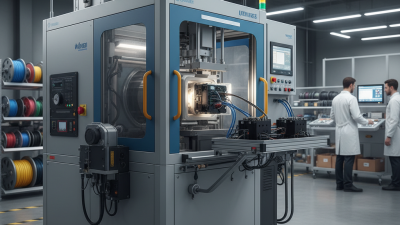
Top Low Pressure Overmolding Manufacturers in China?
Choosing a low pressure overmolding manufacturer in China takes more than comparing quoted prices. The right partner must understand material compatibility, component geometry, production volumes, and the conditions products face in use. A cable connector, for example, may need a soft protective seal around delicate electronics without excessive heat or pressure. Small design choices can affect bonding, fit, and long-term reliability.
This guide introduces manufacturers and explains how to assess their capabilities. It considers practical factors such as sample development, mold design, material selection, quality checks, communication, and production capacity. Ask suppliers how they test adhesion and inspect finished parts; request relevant samples or documented process details where possible. A polished website alone proves little. Details matter. Company capabilities can vary by factory, product, and project, so verify claims directly rather than relying on rankings or broad assurances. Compare quotations carefully, including tooling, sampling, lead times, and inspection requirements. A lower initial quote may not represent the best overall value. Some information may remain difficult to confirm from a distance, and that deserves honest consideration. The goal is not to identify one perfect supplier, but to help buyers ask clearer questions and shortlist manufacturers whose experience matches their application.
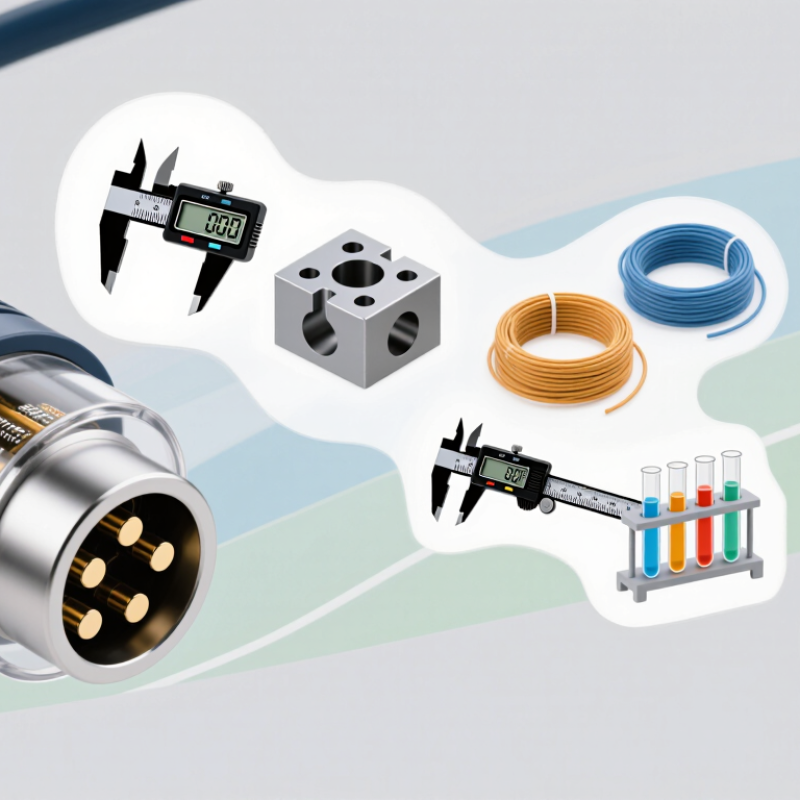
What Low-Pressure Overmolding Is and How the Process Works
Low-pressure overmolding protects wires, connectors, and small electronic assemblies by surrounding them with a soft or semi-rigid polymer. Unlike conventional injection molding, it uses lower injection pressure, which can reduce stress on delicate components. The finished part may resist moisture, vibration, and dust, depending on its design and material.
A typical process begins with placing the assembly in a shaped mold. The mold closes, and heated polymer flows around selected areas. After cooling, the part is removed and inspected. Simple in theory. In practice, small gaps or misplaced wires can affect the result.
Tips: Check material compatibility before production. Secure the components so they cannot shift during filling, and inspect sample parts for voids, incomplete coverage, or pinched wires. Keep notes on temperature and fill settings; even a small change can alter flow. There is no single setting that suits every assembly.
Good process control starts with the part’s actual use conditions. Engineers should consider cable flexibility, operating temperature, and exposure to water or chemicals when selecting a polymer. Mold design matters too: vents help trapped air escape, while well-fitted fixtures keep components in position. Testing a few prototypes can reveal weak spots before larger runs. Low pressure does not guarantee a perfect seal, and that point is easy to overlook. Verify protection with tests suited to the product, rather than relying on appearance alone.
Key Applications of Low-Pressure Overmolding in China
In China’s electronics and automotive supply chains, low-pressure overmolding protects delicate components without the force of conventional injection molding. It is commonly used around wire harness joints, sensor connections, and small circuit boards. A hot-melt material flows around the part and cools into a protective shell. This can reduce strain on soldered joints and help resist dust, vibration, and moisture.
Appliance controls, LED modules, and industrial sensors are other practical applications. For example, a compact control board can be overmolded while leaving connector pins exposed. The molded layer also provides strain relief where a cable exits its housing. Useful, but not magic. Protection depends on material choice, part geometry, and process control; overmolding alone does not guarantee a waterproof assembly.
Manufacturers typically assess fit, adhesion, and electrical performance with sample runs before scaling production. Small details matter: uneven wall thickness can affect cooling, while poorly placed gates may leave air pockets near fine components. One trade-off is repairability, since encapsulated electronics can be difficult to service. The process may also need adjustment when a design changes or different cable materials are introduced. A careful application review helps determine whether its protection justifies those limits.
Top Low-Pressure Overmolding Applications in China
Typical application areas and the protective functions low-pressure overmolding can provide.
The bars count applicable functions in an illustrative checklist: electrical insulation, moisture or dust protection, vibration or impact protection, and cable strain relief. They represent typical engineering use cases—not market share, sales, or survey results.
How to Evaluate Low-Pressure Overmolding Manufacturers
How to Evaluate Low-Pressure Overmolding Manufacturers
A manufacturer’s sales pitch matters less than a stable process window. Ask for documented limits on material temperature, injection pressure, cycle time, and substrate positioning. Grand View Research valued the global injection-molded plastics market at USD 330.91 billion in 2023, but this broad figure does not measure low-pressure overmolding quality. Treat it as market context, not proof of capability. Ask for trial records using parts similar to yours.
Request sample parts and inspect them closely. Look for incomplete coverage, voids near wire exits, flash, and movement of delicate components. Ask how the supplier measures adhesion and checks parts after thermal cycling or vibration. A polished sample is not enough. Production consistency matters more. Request inspection records, material traceability, and corrective-action examples. If a supplier cannot explain how it controls changes between batches, pause before approving production.
Review the equipment and the people running it. Confirm that operators record process settings and that maintenance is scheduled, not merely reactive. Discuss how the team handles a late material change or a shifted insert. These questions reveal practical discipline. One limitation is easy to miss: a good test result on one geometry may not transfer to another. Start with a controlled pilot run. Check the evidence, then decide.
Leading Low-Pressure Overmolding Manufacturers in China
Leading low-pressure overmolding manufacturers in China are identified by process control, not polished catalogs alone. The method uses heated, low-viscosity compounds to encapsulate components with less pressure than conventional injection molding. That can help protect delicate connectors, circuit boards, and wire joints. It is not suitable for every assembly.
A capable manufacturer can explain how material choice, mold design, and cooling time affect each part. Ask to inspect sample pieces for thin coverage, trapped air, and exposed contacts. Request production details, too. Stable temperature settings and recorded inspection results matter when orders grow. Small details count.
A neat sample can still hide weak process control. Ask how the supplier checks adhesion and electrical performance for your specific product. If the part faces heat, moisture, or repeated handling, request tests that reflect those conditions. Results should be documented, not merely promised. Factory visits can clarify equipment and workflow, but they do not replace trial runs. One limitation remains: some suppliers may have less experience with unusual shapes or mixed materials, so early prototypes deserve careful review.
How to Compare Supplier Capabilities, Quality, and Costs
Comparing low pressure overmolding suppliers in China starts with the part, not the quotation. Share drawings, resin requirements, cable exits, and expected annual volume. Ask whether the factory can mold around your actual components, since small connector changes can affect sealing and fit. Request a tooling review and trial plan before approving a production schedule. Details matter.
For quality, examine incoming inspection records, first-article dimensions, and lot traceability. Ask how operators control temperature, pressure, and material drying where applicable. Inspect samples for voids, flash, incomplete coverage, and pull strength, not just appearance. Review measurement reports and agree on acceptance limits in writing. One test is not enough.
Compare costs on the same basis: tooling, samples, unit price at a stated volume, packaging, freight, and replacement terms. A low quote may exclude fixture changes or inspection work. Confirm tooling and repeat-order lead times, plus who owns and maintains the mold. Technical questions should receive specific answers, not vague promises. A neat report cannot reveal every production problem.