Top 10 Cooling Fans for Global Buyers in 2026?
As global temperatures rise, the demand for effective cooling solutions grows. The Cooling Fan market is witnessing significant expansion, projected to reach $12 billion by 2026. This surge is driven by increasing consumer awareness and the need for energy-efficient products. Innovations in cooling fan technologies are revolutionizing this sector, offering quieter and more efficient options.
In recent years, consumer preferences have shifted towards smart cooling fans, integrating IoT capabilities. These advancements improve user experience and energy sustainability. However, the diverse range of products can overwhelm buyers. Understanding features such as airflow capacity, energy consumption, and noise level is essential. Buyers must consider their specific needs to make informed choices.
While industry reports highlight top brands, inconsistencies in product quality exist. Some affordable models may lack durability or efficiency. Thus, buyers should research thoroughly before making purchases. Selecting a reliable cooling fan is crucial for comfort and energy savings. Making informed decisions is paramount in a crowded market.
Top Factors Influencing Cooling Fan Selection in 2026
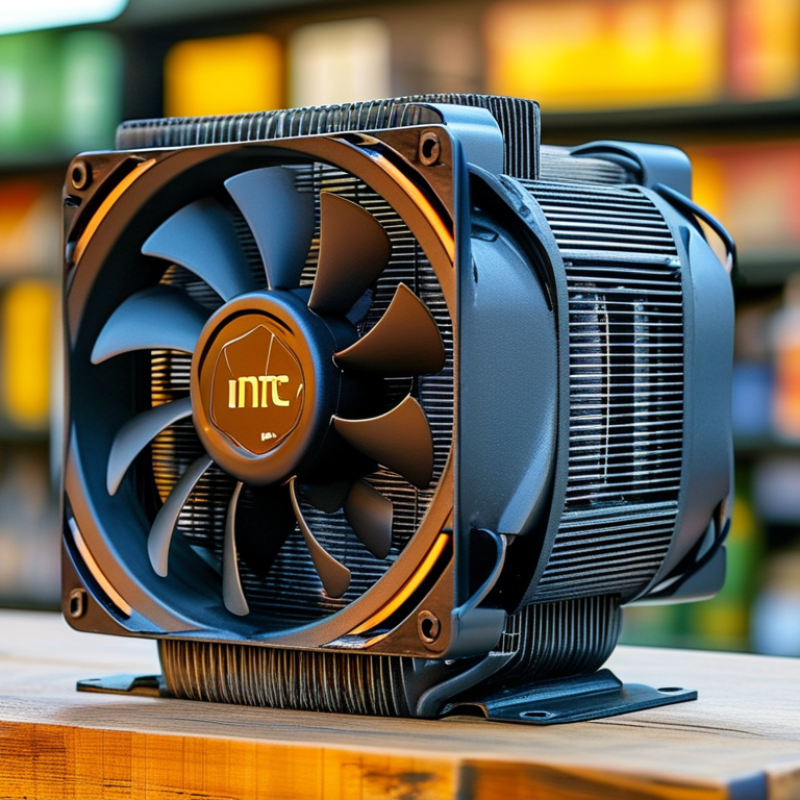
When choosing a cooling fan in 2026, buyers should consider several key factors. The size and design of the fan play a crucial role. Larger fans tend to move more air, providing better cooling efficiency. However, compact designs often appeal to those with limited space. Noise levels are another vital consideration. Quiet operation is essential for comfort, especially in bedrooms or offices.
Energy efficiency is paramount today. Fans with lower energy consumption can save money and reduce environmental impact. Moreover, the build quality and materials used in the fan contribute to its durability and longevity. It's worth noting that some fans may seem more affordable initially but could require frequent replacements.
Technology features are increasingly relevant. Smart fans offer remote control, compatibility with apps, and even voice activation. While these enhancements add convenience, they also raise questions about reliability. Not every innovative feature is necessary for all users. Ultimately, finding the right balance of functionality and simplicity can enhance user satisfaction.
Top 10 Cooling Fans for Global Buyers in 2026
| Rank | Type | Noise Level (dB) | Airflow (CFM) | Energy Efficiency Rating | Price Range (USD) |
| 1 | Tower Fan | 30 | 250 | A++ | 100 - 150 |
| 2 | Pedestal Fan | 40 | 200 | A+ | 80 - 120 |
| 3 | Table Fan | 35 | 180 | A+ | 50 - 90 |
| 4 | Bladeless Fan | 25 | 220 | A++ | 200 - 300 |
| 5 | Exhaust Fan | 50 | 300 | B | 120 - 180 |
| 6 | Wall-mounted Fan | 45 | 240 | A | 70 - 130 |
| 7 | Misting Fan | 55 | 260 | A++ | 150 - 250 |
| 8 | Ceiling Fan | 40 | 310 | A+ | 120 - 200 |
| 9 | Smart Fan | 35 | 280 | A++ | 180 - 320 |
| 10 | Portable Fan | 30 | 150 | B | 40 - 80 |
Market Trends and Predictions for Cooling Fans in 2026
As global temperatures rise, the demand for cooling fans is expected to surge in 2026. According to a recent market analysis report, the cooling fan industry is projected to grow at a compound annual growth rate (CAGR) of 5.8% from 2023 to 2026. This trend highlights the increasing importance of energy-efficient systems that effectively reduce heat while minimizing electricity consumption. Many consumers are prioritizing fan technologies incorporating smart features, further driving market innovation.
The anticipated shift toward sustainability is significant. Consumers are becoming more eco-conscious. They prefer products that use renewable energy sources. Reports indicate that up to 30% of buyers are willing to pay a premium for environmentally friendly cooling options. However, challenges exist in ensuring that these sustainable products maintain performance levels comparable to traditional fans. Balancing efficiency with effective cooling remains a critical concern for manufacturers.
Additionally, competition among manufacturers is intensifying. With numerous players entering the market, distinguishing product features becomes difficult. Many fans now offer multi-functional capabilities, such as air purification and smart control. Yet, not all innovations translate into consumer satisfaction. Some products have been criticized for inadequate airflow or noise levels. Addressing these consumer concerns is essential for capturing market share in the years to come.
Top 10 Cooling Fans for Global Buyers in 2026
Energy Efficiency Standards and Ratings for Cooling Fans
Energy efficiency is crucial in selecting cooling fans, especially as global temperatures rise. In 2026, the conversation around energy standards will focus on how well fans convert energy into cooling power. The U.S. Department of Energy has proposed new efficiency standards that could lead to a reduction of energy use by up to 30% in residential cooling applications. The current ratings often rely on cubic feet per minute (CFM) measurements. However, consumers need to understand how these ratings correlate with energy consumption.
According to a report by the International Energy Agency, around 10% of global electricity demand is attributed to cooling systems. This figure is projected to rise as urbanization continues. A well-rated fan not only cools effectively but also enhances energy savings. Models with higher ratings are designed to run longer without significantly increasing power usage. Continuous improvements in design and technology also offer better air circulation with less noise, contributing to a comfortable environment.
Yet, consumers still face challenges. The variety of product specifications can be overwhelming. Lack of standardization in efficiency ratings leads to confusion. Without a clear understanding of how to interpret these ratings, buyers may not make informed decisions. This gap highlights the necessity of transparency in labeling and a keener educational effort in understanding fan efficiency for consumers.
Technological Innovations Shaping Cooling Fans in 2026
The cooling fan industry is witnessing significant technological advancements as we approach 2026. According to recent market analysis, smart sensors integrated into fans are emerging as a standard feature. These sensors adjust speed and direction based on real-time temperature readings. This innovation not only enhances energy efficiency but also contributes to a more comfortable environment.
Another notable trend is the development of eco-friendly materials. Studies show that up to 40% of consumers prioritize sustainability when purchasing. Fans made from biodegradable plastics and recycled materials are gaining traction. This shift reflects a broader commitment to reducing environmental impacts across the industry. Yet, companies must ensure that these materials do not compromise performance or durability, a challenge that remains to be fully addressed.
Moreover, the integration of IoT technology is reshaping how cooling fans are utilized. Remote control features and compatibility with smart home systems are becoming increasingly common. However, data privacy concerns associated with these technologies need attention. Companies must ensure robust security measures to protect user information. Balancing innovation with ethical practices will be essential for fostering consumer trust in this evolving market.
Global Market Analysis: Key Players in the Cooling Fan Industry
The cooling fan industry is constantly evolving. As we look toward 2026, key players are adapting to new technologies and consumer preferences. The market is influenced by the rise of energy-efficient designs and smart technology integration. Understanding these trends is essential for buyers.
Manufacturers are focusing on quieter operations and improved airflow. Many modern fans are equipped with sensors to adjust speeds based on room temperature. This allows for a more personalized experience. Energy efficiency is a priority, as consumers seek ways to reduce electricity bills.
When buying a cooling fan, consider its energy consumption. Look for models labeled as energy-efficient. Pay attention to noise levels as well. A loud fan can disrupt your daily activities. Additionally, review user feedback to understand real-world performance. This can help make a more informed choice.
