Top 10 Benefits of Low Pressure Injection Molding Techniques?
Low pressure injection molding is transforming the manufacturing sector. This innovative technique offers several key advantages that boost efficiency. Manufacturers are constantly looking for ways to improve production. Low pressure injection molding presents a viable solution.
One major benefit is cost reduction. With lower pressure, materials are used more efficiently. This means fewer defects and less waste. Additionally, the process is more adaptable, allowing for complex designs with precision. It's surprising how many companies underestimate these advantages.
However, there are challenges. Not every material works well with low pressure techniques. Certain designs may require more traditional methods. This realization sparks reflection on the balance between innovation and practicality. Companies should consider these factors before making a switch. Ultimately, low pressure injection molding has enormous potential to enhance production and reduce costs.
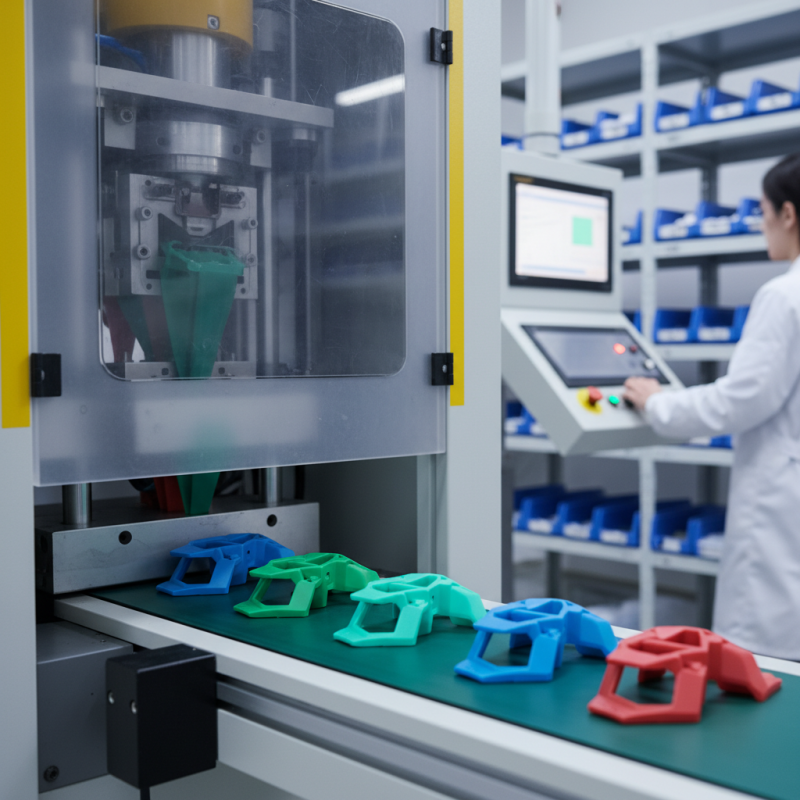
Advantages of Low Pressure Injection Molding in Reducing Material Waste
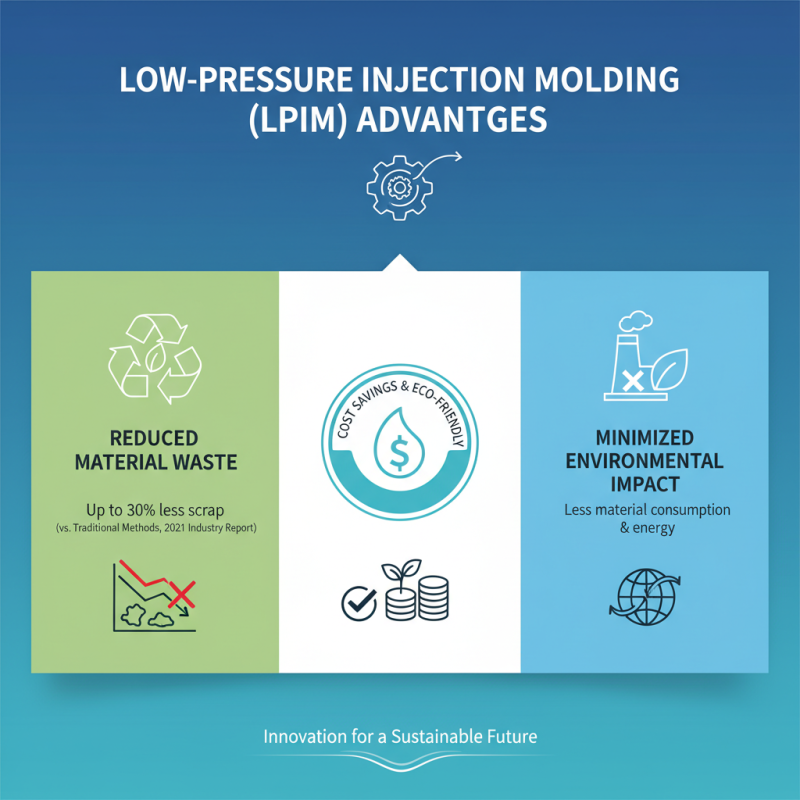
Low pressure injection molding (LPIM) techniques are gaining traction in various industries. One of the standout advantages is the significant reduction of material waste. According to a 2021 industry report, LPIM can reduce scrap rates by up to 30% compared to traditional methods. This reduction not only helps in saving costs but also minimizes the environmental impact.
LPIM utilizes lower pressures, which results in less excess material displacement. This means that parts are often produced with fewer defects, leading to less rework and waste. A study highlighted that using LPIM, manufacturers have seen a decrease in material consumption by about 20%. This translates to less raw material needed over time, reducing the overall carbon footprint of production processes.
However, the method is not without its challenges. The initial setup costs can be higher. Some manufacturers may hesitate to transition to LPIM due to this initial investment. Additionally, while yields are better, the curing times can be longer, impacting production schedules. Assessing the long-term benefits versus initial drawbacks requires careful consideration. Each production line will have unique needs, and LPIM may not be the best fit in every scenario.
Enhanced Precision and Surface Finish in Low Pressure Injection Molding
Low pressure injection molding techniques offer enhanced precision and surface finishes. This method uses lower force, minimizing part distortion. This precision matters in industries like aerospace and medical devices. For intricate designs, the details reproduced are often sharp and clean.
With low pressure methods, materials fill molds evenly. This results in fewer surface imperfections. However, achieving a flawless finish is not always guaranteed. Certain materials can complicate this process. Variations in temperature can affect the final quality too. Continuous monitoring is essential to address these challenges effectively.
The benefits of low pressure molding are significant. Fine details and smoother finishes often reduce post-processing needs. Still, engineers must consider the trade-offs. Sometimes, the slower production rate can be a drawback. Quality control becomes paramount in ensuring consistent results. Balancing speed and precision can lead to better outcomes.
Cost Efficiency: Comparing Energy Consumption in Low vs. High Pressure Techniques
Low pressure injection molding techniques offer significant advantages in energy consumption when compared to high pressure methods. Reports indicate that low pressure systems can reduce energy usage by up to 30%. This reduction translates into lower operational costs and a smaller carbon footprint. Companies can optimize their production lines without sacrificing quality, making this approach increasingly attractive.
Tips: Evaluate your current energy consumption metrics. Consider the initial investment in low pressure systems against long-term savings.
Energy efficiency also relates to material usage. Low pressure techniques minimize waste by ensuring better material distribution in molds. Research shows that these methods can reduce leftover material by about 25%, allowing for better resource utilization.
Tips: Regularly assess your scrap rates. Identify areas for improvement in material usage to maximize profits.
Employing low pressure injection molding is not without its challenges. Some manufacturers report slower cycle times. It’s essential to balance speed and efficiency. Investing time in training staff can improve mastery of these techniques and mitigate some drawbacks.
Top 10 Benefits of Low Pressure Injection Molding Techniques
| Benefit |
Low Pressure Energy Consumption (kWh) |
High Pressure Energy Consumption (kWh) |
Cost Savings (%) |
| Reduced Energy Consumption |
1.5 |
3.0 |
50% |
| Lower Manufacturing Costs |
2.0 |
4.0 |
50% |
| Reduced Cycle Time |
1.2 |
2.5 |
52% |
| Better Surface Finish |
1.8 |
3.2 |
44% |
| Less Material Waste |
1.0 |
2.0 |
50% |
| Improved Operator Safety |
1.3 |
2.7 |
52% |
| Flexibility in Design |
1.7 |
3.4 |
50% |
| Reduced Tool Wear |
1.4 |
2.8 |
50% |
| Higher Production Rates |
1.9 |
3.9 |
51% |
| Environmental Benefits |
2.1 |
4.2 |
50% |
Impact of Low Pressure Injection Molding on Cycle Times and Production Rates
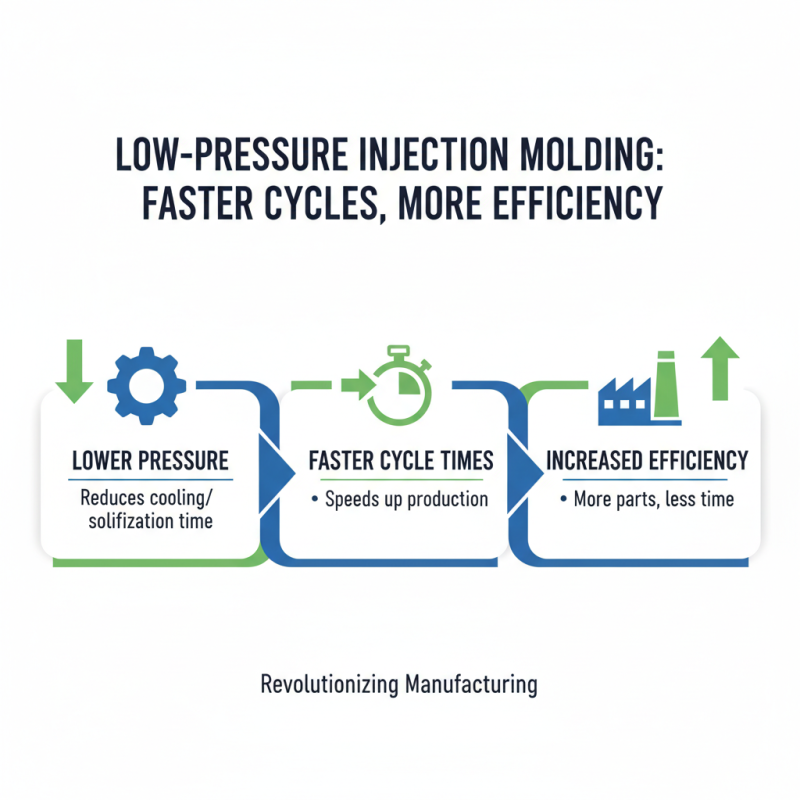
Low pressure injection molding has significantly changed manufacturing processes. One of its major impacts is on cycle times. By using lower pressures, the process reduces the cooling and solidification time of materials. This speeds up production rates, allowing manufacturers to produce more parts in less time. Faster cycle times translate into increased efficiency on the production floor.
However, there are challenges. Maintaining quality at higher speeds can be tricky. Parts may exhibit defects if the parameters are not closely monitored. The process also requires precise control of temperature and material viscosity. Mismanagement here can lead to wasted resources and increased costs. Finding the right balance between speed and quality is an ongoing challenge for many manufacturers.
Overall, while low pressure injection molding offers impressive production benefits, it also requires careful consideration of various factors. Achieving optimal cycle times demands a commitment to fine-tuning the process. Continuous reflection on production outcomes is essential for long-term success in this evolving field.
Applications of Low Pressure Injection Molding in the Automotive Industry
Low pressure injection molding plays a vital role in the automotive industry. This technique creates intricate designs and reduces material waste. Its applications are vast, from creating dashboards to complex engine components. The low pressure process helps in minimizing physical stress on the parts during production. This results in improved quality and durability.
When implementing low pressure injection molding, be aware of potential challenges. Material selection is crucial. Choosing the wrong polymer can lead to poor performance. Additionally, mold design needs careful consideration. An imperfect mold might affect the overall part quality. Testing prototypes can reveal hidden issues early on.
Tips for a successful low pressure injection molding process: always conduct thorough tests on materials. This ensures optimal performance. Moreover, collaborate with your team to refine the mold design. Open discussions can uncover potential problems. Regularly review your processes for improvement. Small adjustments can lead to significant benefits, ultimately making your automotive components reliable.
Top 10 Benefits of Low Pressure Injection Molding Techniques