Top 10 Aerosol Can Suppliers You Need to Know About?
In the dynamic world of packaging, Aerosol Can Suppliers hold a pivotal role. These suppliers are essential in various industries, from personal care to food products. They offer a wide range of solutions. According to Dr. Emily Carter, an industry expert, "Finding reliable aerosol can suppliers is crucial for product success." Her insights underline the importance of selecting the right partners.
Aerosol can suppliers not only provide containers but also innovate in design and function. They ensure products meet safety regulations while maintaining quality. Consumers today expect more than just functionality; they want sustainability too. This evolving demand pushes suppliers to rethink their materials and processes. Yet, not all suppliers adapt equally fast. Some lag behind, potentially affecting their clients' market competitiveness.
The aerosol can industry is competitive and constantly changing. Brands must stay informed about the leading suppliers to thrive. As Dr. Carter suggests, businesses should assess their suppliers critically. It's vital to balance cost, quality, and responsibility in the selection process. Understanding these factors can lead to better choices in an ever-evolving market landscape.
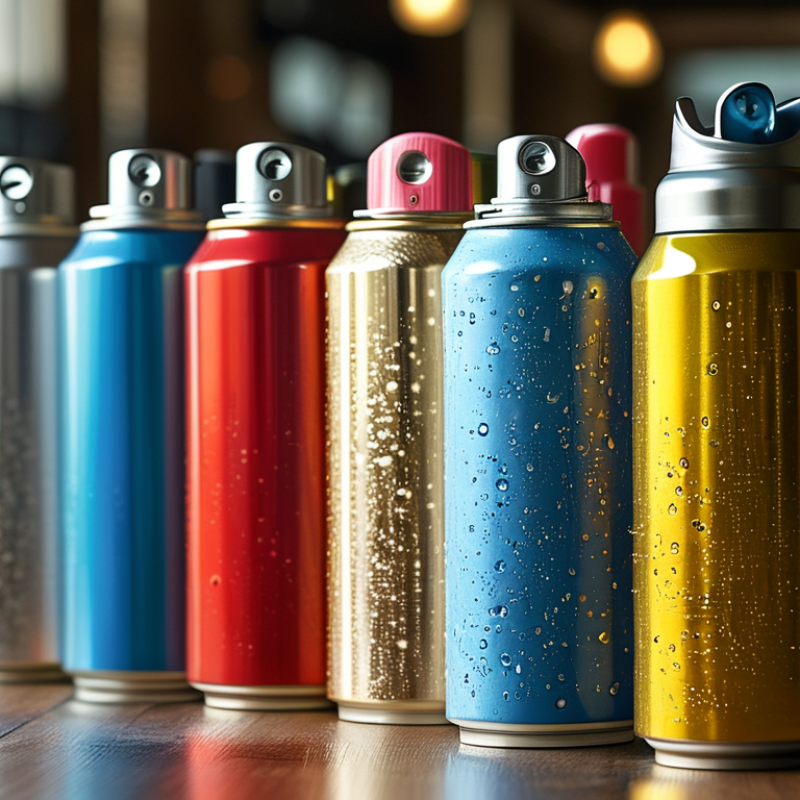
Overview of the Aerosol Can Industry
The aerosol can industry has shown remarkable growth, reflecting the increasing demand across various sectors such as personal care, cleaning products, and food packaging. According to market reports, the global aerosol can market is projected to reach approximately $10 billion by 2025, with a compound annual growth rate (CAGR) of about 4.5%. This growth is driven by innovations and the shift toward more eco-friendly packaging solutions.
One compelling aspect of the industry is the emphasis on regulatory compliance and sustainability. Manufacturers are working hard to develop cans that are lighter, more recyclable, and less harmful to the environment. However, the transition to sustainable practices presents challenges. Companies sometimes struggle with balancing cost and eco-friendly materials. Investing in research and development is crucial, but it can also lead to mismatched priorities and resources.
Tip: Stay informed about new recycling technologies in the aerosol sector. Keeping abreast of industry trends can help companies adapt quickly.
The competitive landscape features various suppliers, influencing price and quality. Many smaller players strive to carve out market share by focusing on niche areas. But, some face difficulties in scaling operations. Keeping pace with larger competitors can be daunting. Thus, collaboration and strategic partnerships are key strategies for survival.
Tip: Consider exploring partnerships with local suppliers to boost supply chain resiliency. It often leads to reduced costs and enhanced quality.
Top 10 Aerosol Can Suppliers - Market Share Overview
Key Features and Innovations in Aerosol Can Design
Aerosol cans have evolved significantly in recent years, incorporating innovative designs and features. One key advancement is the use of eco-friendly propellants. Traditional hydrofluorocarbon (HFC) propellants are being replaced by alternatives such as hydrocarbons, which reduce environmental impact. According to a recent industry report, nearly 30% of aerosol products now feature sustainable propellant systems.
Compact and lightweight designs enhance usability. New manufacturing processes lead to thinner walls without compromising strength. This innovation allows for more efficient storage and distribution. Additionally, child-resistant mechanisms are becoming common, ensuring safety without sacrificing accessibility. A study revealed that 45% of consumers prefer products with added safety features, impacting their purchasing decisions.
Tips: Always check for eco-friendly products. Look for labels indicating sustainable materials or propellants. User surveys suggest that consumers are increasingly aware of environmental issues.
Changing consumer preferences are also driving innovation. Brands that prioritize sustainability capture more market share. Despite these trends, some manufacturers still rely on outdated designs. It’s essential to stay informed about new technologies. Invest time in research to select the best product options available.
Criteria for Selecting a Reliable Aerosol Can Supplier
When selecting a reliable aerosol can supplier, it is vital to consider key criteria. Quality assurance is crucial. The supplier should demonstrate adherence to industry standards. Evaluate their safety records and compliance with regulations. You desire a partner who prioritizes product safety.
Look into the supplier’s experience in the industry. A seasoned supplier has valuable insights and practices. They often have established quality control measures that benefit customers. Review case studies or client testimonials. This can provide a clearer picture of their reliability and performance.
Tips: Always ask about raw material sourcing. Understanding where materials come from can reveal potential quality issues. Communication matters. A good supplier should be open and responsive to inquiries. Lastly, assess their ability to innovate. A supplier that embraces technology often leads to better efficiency and product enhancement.
Top 10 Leading Aerosol Can Suppliers Worldwide
In today’s market, aerosol cans have become essential for various industries. They are widely used for packaging personal care products, household cleaning items, and even automotive solutions. This versatility makes it crucial to identify leading suppliers globally.
When considering suppliers, look for those that demonstrate reliability and innovation. Many industry leaders emphasize sustainable practices in their manufacturing processes. This focus not only meets consumer demands but also supports environmental goals. Suppliers with advanced technologies ensure that aerosol products are safe and efficient.
However, the landscape is always evolving. Some suppliers struggle to adapt to new regulations or market trends. This creates opportunities for emerging players to fill the gaps. It’s important to continuously assess the capabilities of aerosol suppliers. When making choices, prioritize those who balance quality and sustainability while delivering efficiency.
Future Trends in the Aerosol Can Market and Supply Chain
The aerosol can market is evolving rapidly. Several factors are driving this change. Sustainability is a key consideration. Consumers demand eco-friendly products. Suppliers are exploring recyclable materials. Innovations in production methods are also emerging. These developments could reshape the industry landscape.
Technological advancements play a significant role. Automation in manufacturing can improve efficiency. This may reduce production costs. However, there are challenges in integrating new technologies. Not every supplier can keep up. The shift towards e-commerce is notable. Online sales create new distribution channels. Suppliers must adapt quickly to stay competitive.
Future trends indicate a growing demand for customized aerosol solutions. Consumers want personalized products. This requires suppliers to enhance their flexibility. It could lead to shorter lead times. However, managing supply chains will become increasingly complex. Continuous monitoring and evaluation are essential. Companies must remain aware of market dynamics to thrive.
