China Top 10 Mold Pressure Machine Manufacturers?
China’s mold pressure machine industry supports automotive, electronics, medical, packaging, and consumer-goods production. Its importance is growing with China’s large plastics-processing base. PlasticsEurope’s Plastics – the Fast Facts 2024 report recorded approximately 400 million tonnes of global plastics production in 2022. China represented about one-third of that volume.
The market is broad, though. “Mold pressure machine” may describe injection molding machines, compression presses, or specialized hydraulic forming equipment. This article therefore focuses on manufacturers offering controlled clamping force, stable pressure, repeatable cycles, and practical mold compatibility. Grand View Research and Fortune Business Insights both identify steady growth in global injection molding equipment demand, supported by lightweight automotive parts, electronics miniaturization, and automated factory investment. These trends make technical comparison more useful than a simple sales ranking.
Real factory performance depends on details. A machine should hold pressure while producing thin-wall housings. Its platen must remain parallel under load. Operators also need accessible controls, dependable temperature regulation, and responsive maintenance support. Energy consumption matters, especially during continuous production. ISO 9001 certification, CE-related documentation, published specifications, and verifiable customer references can strengthen supplier credibility. They do not guarantee perfect performance.
This ranking examines ten Chinese manufacturers through engineering capability, product range, customization, export experience, service coverage, and operating evidence. Some companies publish excellent specifications but limited independent data. That gap deserves attention. Buyers should request trial samples, pressure-distribution records, cycle-time results, and spare-parts commitments before purchasing. The list is informative, not absolute. A technically strong supplier may still be unsuitable for a specific mold, material, or production volume.
What Is a Mold Pressure Machine and How Does It Work?
China Top 10 Mold Pressure Machine Manufacturers?
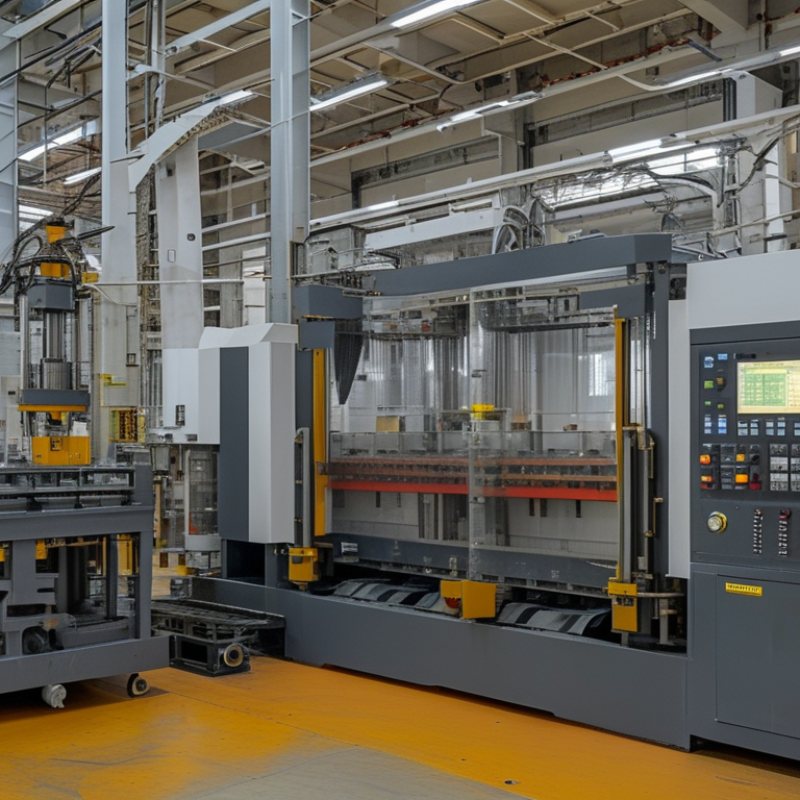
A mold pressure machine is a press that forms materials inside a closed mold. It commonly handles rubber, plastics, composites, and other heat-sensitive compounds. The operator places measured material into the cavity. The machine then closes the mold with controlled hydraulic or servo-driven force. Heat softens the material, while pressure spreads it across the cavity. After curing or cooling, the mold opens and ejects the finished part.
Pressure, temperature, closing speed, and holding time must work together. Excessive pressure can damage the mold or create flashing. Insufficient pressure may leave voids, weak edges, or incomplete details. The term “mold pressure machine” is sometimes used broadly. Buyers should confirm whether they need compression molding, transfer molding, or another process. A reliable supplier should provide load calculations, safety systems, test records, and service details. Real production conditions can still differ from laboratory results. That part deserves honest review.
Tips: Check platen parallelism before comparing machine prices. Ask for a trial using your actual material and mold. Review pressure stability during long holding cycles. Confirm temperature uniformity across the platen. Choose controls that record pressure, heat, and cycle time. Small data gaps can become expensive defects. Calibration should be scheduled, not assumed.
How China’s Top 10 Mold Pressure Machine Manufacturers Are Selected
China Top 10 Mold Pressure Machine Manufacturers?
Selecting China’s top ten mold pressure machine manufacturers requires more than checking online rankings. We compare verified production records, pressure stability, mold compatibility, and service capability. Factory audits should examine machining areas, test benches, calibration records, and spare-part storage. Small details matter.
The 2024 International Federation of Robotics report states that China installed 276,288 industrial robots in 2023, representing 51% of global installations. This indicates strong automation capacity, but it does not prove machine quality. We therefore assess automated assembly, sensor integration, cycle consistency, and operator training. The China Plastics Machinery Industry Association also provides useful industry statistics for evaluating production scale and market activity. However, association data may not reveal failure rates or service delays.
Commercial evidence receives equal weight. We review export records, customer references, warranty terms, and documented machine acceptance tests. Pressure accuracy should remain stable during repeated cycles, not only during demonstrations. Energy consumption, maintenance access, and safety systems are measured where possible. Very low prices deserve careful questioning. They may reflect efficient production, or hidden compromises. Our method is not perfect. Public data remains incomplete, and some suppliers disclose limited technical information. Therefore, the final selection combines audited evidence, engineering judgment, and transparent scoring rather than promotional claims.
Profiles of China’s Top 10 Mold Pressure Machine Manufacturers
China’s Top 10 Mold Pressure Machine Manufacturers are best assessed through measurable capabilities, not marketing claims. A useful profile should cover machine tonnage, pressure stability, cycle speed, energy use, and service coverage. The China Plastics Machinery Industry Association reported steady domestic demand for intelligent molding equipment in recent industry updates. Global market research also indicates Asia-Pacific remains the leading regional manufacturing base. These figures support China’s strong position, but they do not prove every supplier is equally reliable.
The top ten profiles usually fall into several practical groups. Some focus on high-pressure systems for automotive and appliance molds. Others specialize in compact machines for electronics, packaging, or precision components. Strong manufacturers normally provide servo control, mold protection, remote diagnostics, and repeatable pressure records. ISO 9001 certification can support process consistency, yet certification alone is not enough. Factory audits, sample trials, and spare-parts response times reveal more. I would inspect oil temperature, platen parallelism, and noise during a live test. A clean showroom can still hide weak after-sales support.
Tips: Request a complete pressure curve, not only a maximum-pressure figure. Compare energy use per cycle under identical mold conditions. Ask for references using similar materials and mold sizes. Keep one point in mind: published rankings are often based on incomplete public data, so “top ten” should be treated as a working shortlist, not an absolute verdict.
How Chinese Mold Pressure Machines Compare by Technology and Performance
China Top 10 Mold Pressure Machine Manufacturers?
Chinese mold pressure machines now compete through control accuracy, hydraulic efficiency, and practical production design. Many current models use servo-hydraulic systems, PLC control, and digital pressure sensors. These features help maintain steady force during compression molding.
A useful comparison starts with measurable performance. Check pressure repeatability, platen parallelism, heating uniformity, and cycle time. A machine may show impressive maximum pressure, yet deliver uneven results across a large mold. During factory testing, operators should record pressure curves and temperature changes over several cycles. Small fluctuations can create visible defects, especially on thin or detailed parts.
Energy use also matters. Servo systems often reduce idle consumption, but real savings depend on mold size and operating habits. Maintenance access deserves equal attention. Clear piping, reachable filters, and simple software can shorten unexpected downtime. Not every specification survives a busy production floor. I have seen performance change after installation because foundation levels, cooling water, or electrical conditions were overlooked.
The strongest manufacturers usually provide application testing, documented inspection points, and responsive technical support. Buyers should request sample production rather than relying only on brochures. Compare warranty terms, spare-part availability, training, and remote troubleshooting. A lower purchase price may become expensive when calibration takes too long or replacement components are difficult to obtain. Performance should be judged under the buyer’s actual material, mold dimensions, and production rhythm.
China Top 10 Mold Pressure Machine Manufacturers: Technology and Performance Benchmark
This non-brand benchmark uses a normalized 0–100 index based on commonly reported engineering criteria, including control precision, pressure stability, energy efficiency, automation readiness, cycle consistency, and serviceability. Higher scores indicate stronger overall capability; the figures represent industry-level reference values rather than individual manufacturers.
How to Choose the Right Chinese Mold Pressure Machine Manufacturer
How to Choose the Right Chinese Mold Pressure Machine Manufacturer
China offers many mold pressure machine manufacturers, but rankings rarely reveal production discipline. The better question concerns fit, evidence, and after-sales capability. Grand View Research estimated the global injection molding machine market at about USD 16 billion in 2023. That growth increases supplier choices, but also increases comparison risks.
Request machine data for pressure accuracy, temperature uniformity, cycle time, energy use, and mold compatibility. Ask for a recorded factory test using your actual material and mold dimensions. ISO 20430:2020 provides important safety guidance for injection molding machines. However, certification alone does not prove stable daily performance. I have seen attractive quotations hide expensive tooling changes and delayed spare parts.
Check the manufacturer’s engineering team, inspection records, software support, and export experience. The 2023 World Bank Logistics Performance Index placed China among the stronger global logistics performers, yet inland delivery can still affect project schedules. Require a parts list, response-time commitment, installation scope, and warranty exclusions. Compare total cost over five years, not only the purchase price. A useful audit includes motor noise, hydraulic leakage, platen flatness, and emergency-stop testing. Do not accept vague claims such as “high precision.” Ask for measured tolerances. Some evaluations remain imperfect because samples may be prepared carefully. Repeat testing under production conditions. That extra step can expose problems before installation.