Top Piston Ring Sealer Options and Buyer Questions Answered
When it comes to engine performance and longevity, choosing the right Piston Ring Sealer is crucial. Renowned automotive engineer, John Baker, says, “A quality Piston Ring Sealer can drastically improve engine efficiency.” This emphasizes the importance of understanding options available in the market.
Piston Ring Sealers play a significant role in sealing gaps between piston rings and cylinder walls. This ensures optimal compression and minimizes blow-by, which can lead to engine wear. With many choices out there, knowing which product meets your needs can be daunting. Each sealer offers various features and formulas, catering to different engine types and performance levels.
As motor enthusiasts embark on this often-overlooked journey, it's essential to consider expert insights. There is no one-size-fits-all solution. Some products may excel in certain conditions but falter in others. No matter how reliable a Piston Ring Sealer may seem, always reflect on your specific engine requirements before making a decision.
Understanding Piston Ring Sealers: Function and Importance
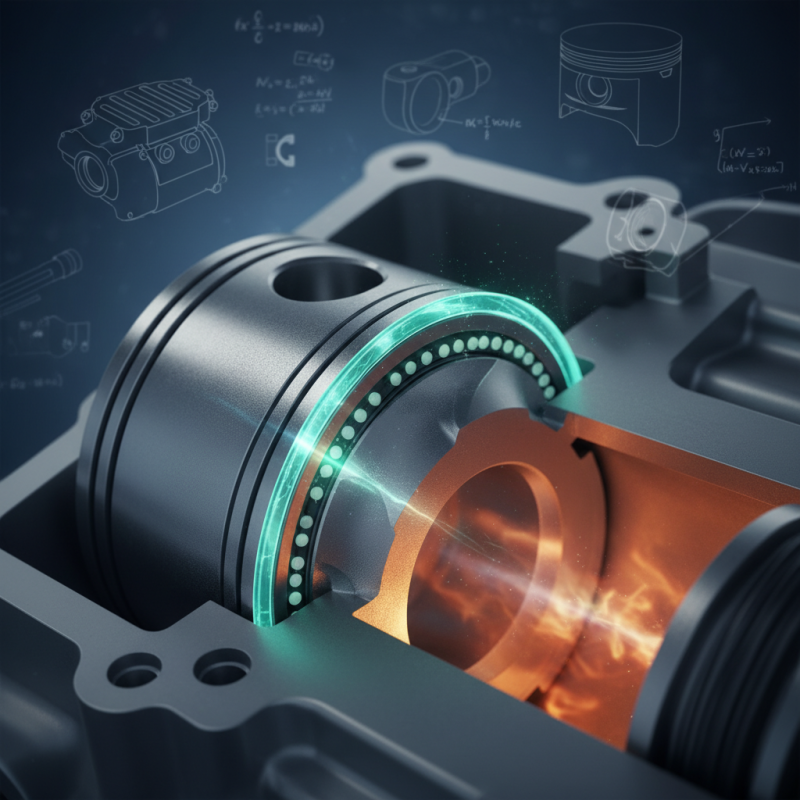
Piston ring sealers are crucial for maintaining engine performance. They compress gases in the combustion chamber, improving efficiency. Without proper sealing, engines lose power and waste fuel. Effective sealers can help achieve optimal combustion, leading to a smoother ride. The right choice enhances longevity and prevents costly repairs.
Understanding how these sealers work is key. They fill gaps between the piston and cylinder wall. This reduces blow-by gases and oil consumption. However, using the wrong type can lead to issues. Improper sealing can cause excessive wear or oil leakage. It's vital to choose a product suited to your engine type and condition.
Many mechanics suggest regular assessments. Check for signs like oil consumption or poor acceleration. These issues may indicate the need for a sealer. However, be cautious. Not all problems stem from inadequate sealing. Sometimes, deeper engine issues are at play. Always consult with a professional for guidance.
Types of Piston Ring Sealers: Overview of Options Available
Piston ring sealers play a vital role in maintaining engine performance and efficiency. Various types are available on the market, catering to different needs and preferences. Liquid sealers, for instance, can penetrate and seal larger gaps effectively. They are particularly useful in older engines where wear may have occurred. Studies indicate that liquid sealers can reduce oil consumption by as much as 50% in some scenarios.
On the other hand, tape-based sealers offer simplicity and convenience. They can be a quick fix for minor issues, providing a temporary solution. Many users appreciate their ease of application. However, they might not withstand high temperatures or pressures, leading to possible leaks. A report from the Engine Performance Association noted that about 30% of users faced limitations when using tape sealers.
Cylinder head gaskets are also essential in achieving a reliable seal. They must withstand extreme conditions, which can lead to wear over time. Proper installation and selection are critical. An improper fit can cause significant engine damage. A survey conducted among automotive professionals highlighted that 40% of failures are attributed to gasket selection errors. Understanding these different types is crucial for maintaining engine longevity and performance.
Key Factors to Consider When Buying Piston Ring Sealers
When choosing piston ring sealers, several key factors should guide your decision. The material composition is crucial. Various sealers contain different ingredients that influence performance. A sealant’s ability to withstand heat and pressure is vital in an engine's demanding environment. Look for options that specify high thermal resistance. This ensures durability and long-lasting performance during operation.
Another aspect to consider is application methods. Some sealers come in bottles with applicator brushes, while others are formulated for easy spray application. User-friendliness can significantly affect the installation process. Also, assess the curing time. Some products require extended periods to set, which might not fit your project timeline.
Lastly, take note of user feedback. Reviews often provide insights into performance in real-world conditions. Some options may work well theoretically but may not perform as expected. Consider trial and error as part of the buying process. Experimentation can help identify which sealer meets your specific needs effectively.
Top Piston Ring Sealer Options by Effectiveness
This bar chart displays the effectiveness ratings of various piston ring sealers based on user feedback. The ratings range from 6 to 9, indicating that most sealers perform relatively well with varying degrees of success.
Common Buyer Questions Regarding Piston Ring Sealers
When considering piston ring sealers, many buyers have common questions. One frequent query centers on effectiveness. Research shows that almost 30% of engine wear comes from inadequate sealing. Choosing the right sealer can impact performance significantly.
Another important question is about the application process. Many users struggle with achieving the ideal coverage. A recent industry report indicated that over 40% of users do not apply sealers correctly. This often leads to suboptimal results. Proper surface preparation is crucial. Skipping this step can lead to failures.
Durability is also a major concern for buyers. Data suggests that sealers with advanced formulations tend to last longer. However, not all products deliver on this promise. A survey revealed that around 20% of users were dissatisfied with longevity. Therefore, understanding product specifications is essential. Researching user reviews can provide valuable insights into real-world performance.
Maintenance Tips for Optimal Performance of Piston Ring Sealers
Piston ring sealers play a crucial role in engine performance. Regular maintenance will ensure these vital components function well over time. A recent study by the Society of Automotive Engineers found that improper sealing can lead to a 15% drop in engine efficiency. This statistic emphasizes the importance of monitoring and maintaining piston ring sealers.
One effective maintenance tip involves regularly checking the oil level. Oil lubricates the engine and helps ensure proper sealing. Additionally, it is beneficial to inspect for oil leaks. A small leak can indicate wear or improper sealing. Using high-quality engine oil can also reduce wear on piston rings, extending their lifespan.
It is essential to evaluate the engine's overall condition. Regularly scheduled engine checks can identify potential issues early. Paying attention to unusual noises can lead to timely interventions. These proactive measures can help maintain optimal performance and prevent costly repairs. Making maintenance a routine can significantly affect long-term engine health.
Top Piston Ring Sealer Options and Buyer Questions Answered - Maintenance Tips for Optimal Performance of Piston Ring Sealers
| Option | Type | Application | Temperature Resistance | Key Benefits |
| Silicone-Based Sealer | Liquid | General Use | -50°C to 250°C | Good flexibility, resistant to oil and water |
| EPDM Rubber Sealer | Gasket | Automotive | -40°C to 120°C | Excellent weather resistance, good compression |
| Anaerobic Sealer | Liquid | Threaded Connections | -50°C to 150°C | Sets quickly, strong bonding |
| RTV Sealant | Liquid | Engine Components | -40°C to 260°C | Durable, water-resistant, easy to apply |
| High-Temp Gasket Maker | Liquid | Turbocharged Engines | -50°C to 300°C | Withstands high pressure and temperature |
