Best Mold Solutions Tips for a Healthy Home?
Mold can silently invade our homes, posing health risks and damaging property. According to the Environmental Protection Agency (EPA), mold thrives in damp environments and can release allergens. A staggering 40% of homes in the United States have mold growth. This alarming statistic highlights the urgent need for effective mold solutions.
To protect your family, identifying mold early is crucial. Homeowners should regularly check areas prone to moisture, such as bathrooms and basements. Even small leaks can create environments where mold spores can flourish. Advanced mold solutions include specialized cleaning products and dehumidifiers, which can significantly mitigate growth.
However, many homeowners remain unaware of the full implications of mold exposure. Symptoms can range from allergies to asthma attacks. Underestimating mold can harm health, and seeking professional help may be necessary. An effective mold solution not only addresses visible mold but ensures lasting prevention. Addressing mold issues leads to a healthier living environment. It’s essential to reflect on our habits and maintain vigilance against mold.
Identifying Common Types of Mold in the Home
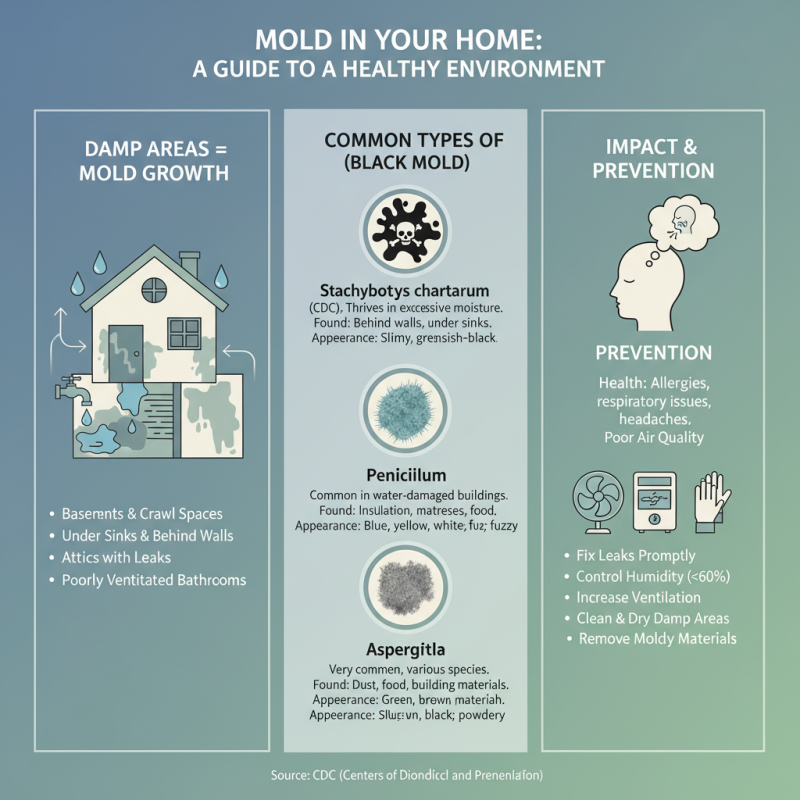
Mold can thrive in damp areas of your home, impacting air quality. Identifying common types of mold is vital for a healthy environment. According to the CDC, Stachybotrys chartarum, often called black mold, is potentially toxic. It usually appears in areas with excessive moisture. This can be behind walls, in basements, or under sinks.
Another type is Aspergillus, which is commonly found indoors. Aspergillus can grow on food items and in warm, humid areas. Exposure can lead to respiratory issues, especially for those with weakened immune systems. Knowing these molds helps in understanding the risks.
Tip: Keep humidity levels below 50% to deter mold growth. Regularly check for leaks in bathrooms and kitchens. These areas are mold hotspots. If you see a dark spot, it may be mold. Don't ignore it. Instead, investigate further.
Remember, even a small leak can lead to significant mold problems. Make it a habit to inspect your home periodically. Pay attention to musty odors; they are often signs of hidden mold. Taking proactive measures is essential for a healthy home.
Understanding the Health Risks Associated with Mold Exposure
Mold exposure can pose serious health risks. It thrives in damp, humid environments, often hidden in walls or under carpets. When inhaled, mold spores can trigger respiratory issues. People may experience coughing, sneezing, or even chronic headaches. In some cases, exposure can worsen asthma or lead to other lung problems.
The effects vary significantly among individuals. Some are more susceptible, including children and the elderly. A seemingly minor mold problem can quickly escalate if not addressed. Allergic reactions might surface unexpectedly. Skin irritation or fatigue may also occur. These symptoms can easily be dismissed, but they are real and persistent.
Preventing mold growth is essential. Regular cleaning and proper ventilation can help. Check for leaks in pipes or roofs. Use dehumidifiers in damp areas. Mold can be sneaky, hiding where it’s not easily seen. Don't ignore the signs—address them as soon as possible. Taking these steps can contribute to a healthier home environment.
Effective Mold Prevention Strategies for Homeowners
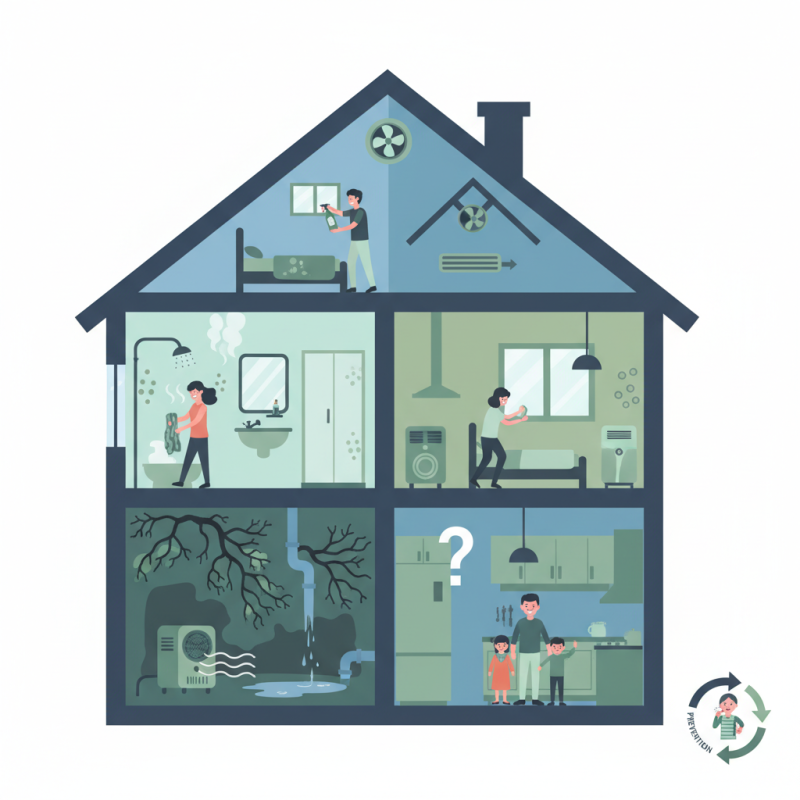
Mold can silently invade homes, creating health risks and damage. Homeowners must employ effective strategies to prevent mold growth. Start by controlling humidity levels. Use dehumidifiers in damp areas and ensure proper ventilation. Open windows when possible to let fresh air circulate.
Regularly inspect for leaks in plumbing and roofs. Fix any issues promptly. This small action prevents larger mold problems later. Clean areas prone to moisture, such as bathrooms and kitchens, regularly. Consider using mold-resistant materials when renovating or building.
Remember, mold can thrive in hidden places. Attics and crawl spaces often go unchecked. Those areas should be inspected periodically. Keeping an eye on potential problem spots helps ensure a healthier home. Don’t forget to learn about your environment and recognize the signs of mold early.
Many homeowners overlook these details, thinking mold won't affect them. But prevention is simpler than dealing with the aftermath. Take proactive steps now to protect your home and health.
Best Mold Solutions Tips for a Healthy Home
Step-by-Step Guide to Safe Mold Removal Techniques
Mold in the home poses serious health risks. The CDC warns that mold can trigger asthma and allergies. Over 21% of people are sensitive to mold. Removing it safely is crucial for a healthy environment.
Start with proper gear. Wear gloves, goggles, and a mask. Exposure can lead to respiratory issues. Next, identify the source of moisture. Leaky pipes or high humidity often contribute. Use a hygrometer; it measures humidity levels. Ideally, indoor humidity should be below 60%.
When removing mold, focus on small areas first. Use soap and water or a mixture of vinegar and water. Avoid bleach; it can make mold spores more airborne. After cleaning, dry the area completely.
Fans or dehumidifiers help. For significant infestations, it may require professional help. Understanding these steps is vital. Ignoring mold can lead to health problems and costly repairs.
Maintaining Indoor Air Quality to Prevent Mold Growth
Indoor air quality plays a crucial role in preventing mold growth. High humidity levels often lead to mold issues. Keeping indoor humidity below 50% can help significantly. Consider using a dehumidifier in damp areas. Regularly check your home for leaks. A dripping faucet may seem minor, but it can create a perfect breeding ground for mold.
Proper ventilation is essential. Open windows when weather permits. Exhaust fans in bathrooms and kitchens help expel moisture. Pay attention to areas prone to condensation, like windows and walls. If mold appears, act quickly. Clean it with a mixture of water and vinegar. While this can address small patches, bigger infestations may require professional help.
Sometimes, we overlook simple maintenance tasks. Regularly changing air filters can improve air quality. Dust and allergens often contribute to the problem. Don't forget to inspect your attic and crawl spaces. These areas can harbor hidden mold growth. Learning to recognize signs of mold can protect your family's health. Being proactive is key to maintaining a mold-free environment.