How to Use Low Pressure Overmolding for Efficient Production?
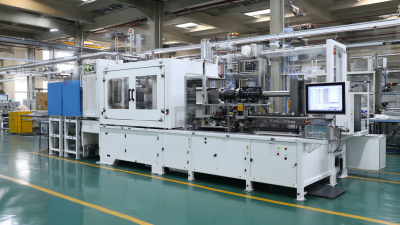
Low pressure overmolding is a cutting-edge manufacturing technique that enhances production efficiency. By utilizing lower pressures, the process minimizes material waste and reduces the risk of part deformation. This method is particularly beneficial for delicate components. The careful balance of pressure and temperature allows for intricate designs without compromising quality.
In recent years, more manufacturers have adopted low pressure overmolding. It offers significant advantages over traditional molding methods. For instance, it can be tailored for diverse materials, providing flexibility in production. However, it's important to recognize challenges in implementing this technology. Training and understanding the machinery are critical for success.
Adopting low pressure overmolding requires expertise and careful planning. Some may struggle with the initial setup and require tailored solutions for specific applications. Despite its advantages, ensuring product quality is paramount. Manufacturers must continuously evaluate their processes for improvements. This iterative approach fosters innovation and enhances overall production efficiency.
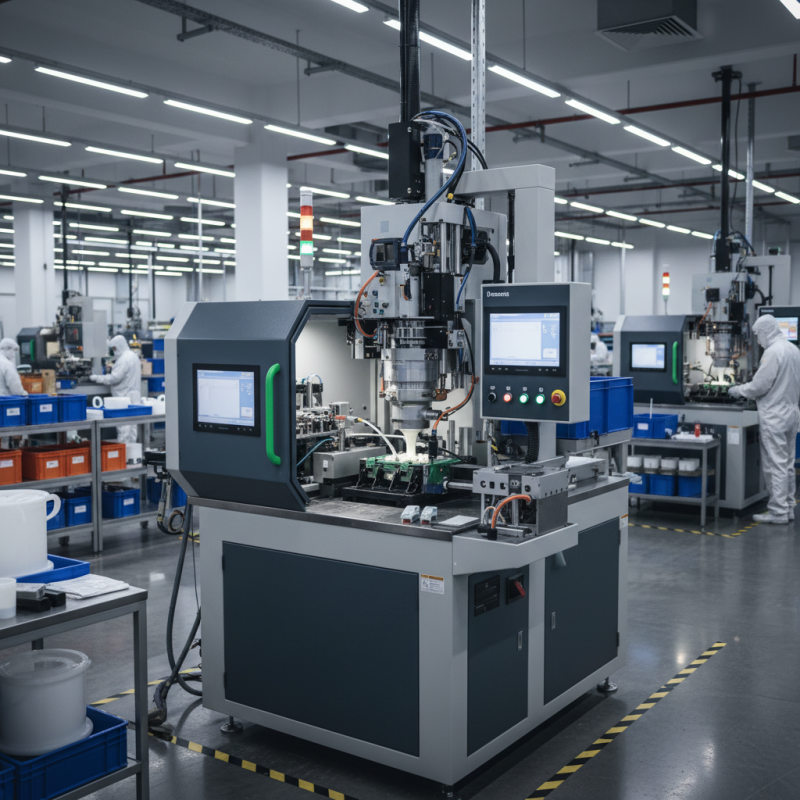
Overview of Low Pressure Overmolding Process
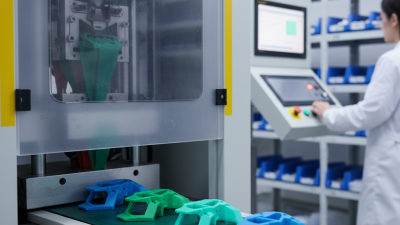
Low pressure overmolding is a specialized process that merges two materials. This technique is efficient and widely used in various industries. The process begins by injecting a base material, often thermoplastic, into a mold. This initial layer sets the stage for the second material to be added, typically a softer elastomer.
During the low pressure injection, the equipment operates at lower speeds. This reduces stress on the materials, preventing deformation. The cooling cycle is also important. Cooling too quickly can lead to issues with adhesion and surface quality. Crafting the right balance in temperature is essential.
**Tips:** Monitor the material properties closely. Variations in viscosity can affect the final product. It's vital to maintain consistent pressure throughout the injection. Fine-tuning can enhance the overall efficiency of the production process. Test different combinations of materials. Compatibility is crucial for achieving desirable results.
This technique allows for high precision, yet it requires careful planning. Adjustments might be necessary during trials. Pay attention to the adhesion between layers. This can often be a point of failure if not managed well. Overmolding opens up possibilities for complex designs but comes with its challenges.
Production Efficiency in Low Pressure Overmolding
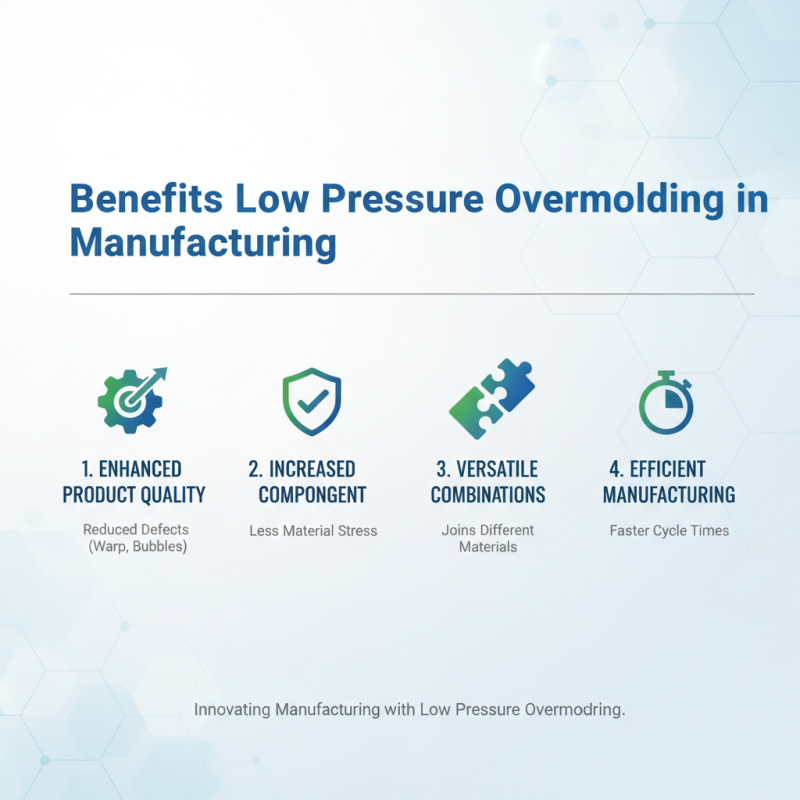
Benefits of Low Pressure Overmolding in Manufacturing
Low pressure overmolding is gaining traction in manufacturing due to its numerous benefits. This technique combines different materials under reduced pressure. It minimizes defects like warp and bubble formation, enhancing product quality. Manufacturers appreciate the reduced stress on the materials, leading to longer-lasting components.
One key advantage is material versatility. Low pressure overmolding accommodates various plastic types. This flexibility allows for innovative designs. Products can be lightweight yet strong, catering to modern demands. It is not without challenges; achieving the right balance in pressure and material selection requires expertise. Frequent adjustments may lead to inefficiencies if not handled carefully.
Cost-effectiveness also stands out in low pressure overmolding. Using less energy and raw materials can lower production costs. This efficiency translates to a competitive edge in the market. However, manufacturers must remain vigilant. Continuous evaluation of the process is necessary to ensure optimal outcomes. While this approach shows promise, there remains room for improvement in technology and methods.
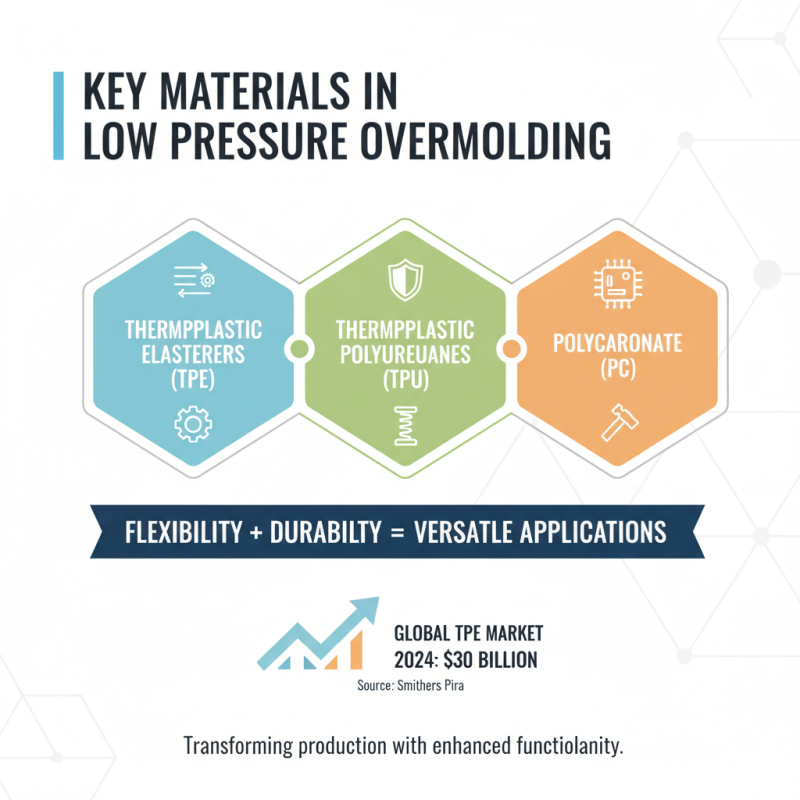
Key Materials Used in Low Pressure Overmolding
Low pressure overmolding is transforming the production landscape, particularly due to the materials used. This method typically employs thermoplastic elastomers (TPE), thermoplastic polyurethanes (TPU), and polycarbonate (PC). These materials offer a blend of flexibility and durability, ideal for various applications. According to a recent report by Smithers Pira, the global thermoplastic elastomer market is projected to reach $30 billion by 2024, highlighting trends towards materials that enhance functionality.
Tips: Selecting the right material is crucial. Consider the end-use application and environmental resistance. For instance, TPE is preferable for applications needing flexibility, while PC is better for strength.
Another important aspect is the compatibility of materials. Successful overmolding relies on the adhesion between the substrate and the overmold. Research indicates that poor adhesion can lead to component failure. Testing different combinations of materials can reveal ideal pairings. It’s essential to evaluate the mechanical and thermal properties throughout the production process.
However, improving overmolding efficiency presents challenges. The production setting, temperature control, and pressure management all influence outcomes. Several industry professionals noted that small adjustments can lead to significant improvements. Flexibility in production techniques must be balanced with material properties to achieve optimal results.
Step-by-Step Guide to Implementing Low Pressure Overmolding
Low pressure overmolding can significantly enhance production efficiency. This method combines two materials to create a single part without high pressure. The process begins with selecting the right materials. Consider thermoplastics for both substrates. Understanding material compatibility is crucial. Each material should bond well to avoid separation during use.
Next, set up your molding equipment. Low pressure systems operate differently than traditional high-pressure systems. Calibrate your machine carefully to ensure consistent results. The temperature should also be closely monitored. Too high can lead to material degradation; too low might result in incomplete mold filling. Keep an eye on these factors throughout production.
Once everything is set, proceed with the actual overmolding. Introduce the first layer of material, allowing it to cure partially. This creates a solid base for the second layer. Monitor the timing closely; it's vital. If the first layer cures for too long, it might not bond correctly with the second. Testing and iteration are important in this phase to achieve optimal outcomes.
Common Challenges and Solutions in Low Pressure Overmolding
Low pressure overmolding presents unique challenges. One common issue is material compatibility. When two materials do not bond well, defects arise. A study by the Society of Plastics Engineers indicates that poor adhesion can lead to a 20% increase in waste during production. This not only impacts costs but also delays timelines.
Another challenge is precise tooling design. Inconsistent temperatures can result in uneven melt flow. This inconsistency often leads to defects and increased scrap rates. According to industry reports, up to 15% of production might be lost due to inadequate tooling. Ensuring that molds achieve uniform temperatures is essential for high-quality products.
Tip: Regularly calibrate your equipment. This can mitigate temperature discrepancies and enhance overall quality.
Furthermore, monitoring cycle times is crucial. Long cycles can diminish productivity. Data shows that optimizing cycle times by just
10% can significantly boost output and efficiency. However, improving cycle time shouldn't mean compromising quality.
Tip: Employ feedback loops during production. Use real-time data to identify areas needing adjustments.
Low pressure overmolding can be efficient, but awareness of these challenges remains vital. The industry requires constant innovation and adaptation to enhance production efficacy. Balancing quality with efficiency is a continuous journey.