What is Injection Molding Projects and How to Choose Them?
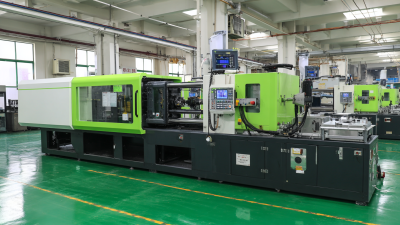
Injection molding projects play a crucial role in the manufacturing sector. These projects involve creating parts by injecting molten material into molds. John Smith, a leading expert in injection molding, once stated, "Choosing the right project is key to successful production." Understanding this can make a difference between success and failure.
Selecting the right injection molding projects requires careful consideration. Factors to evaluate include material choice, production volume, and mold design. Each decision influences the efficiency and cost-effectiveness of the process. Experience shows that overlooking these details can lead to delays and increased expenses.
In addition, it’s essential to assess your team's expertise. Not every team can handle complex injection molding projects. Reflecting on past projects can provide insights into your team's strengths and weaknesses. Striving for improvement is vital in this competitive landscape. Choosing wisely sets the foundation for a successful outcome.
What is Injection Molding and Its Importance in Manufacturing?
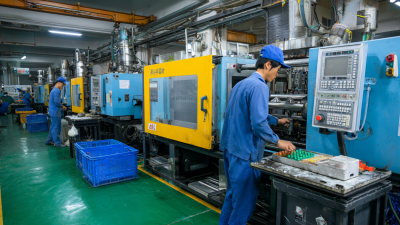
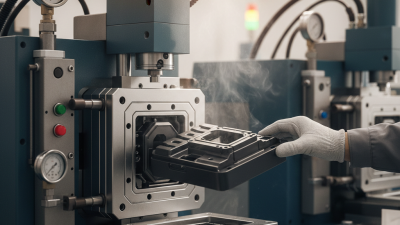
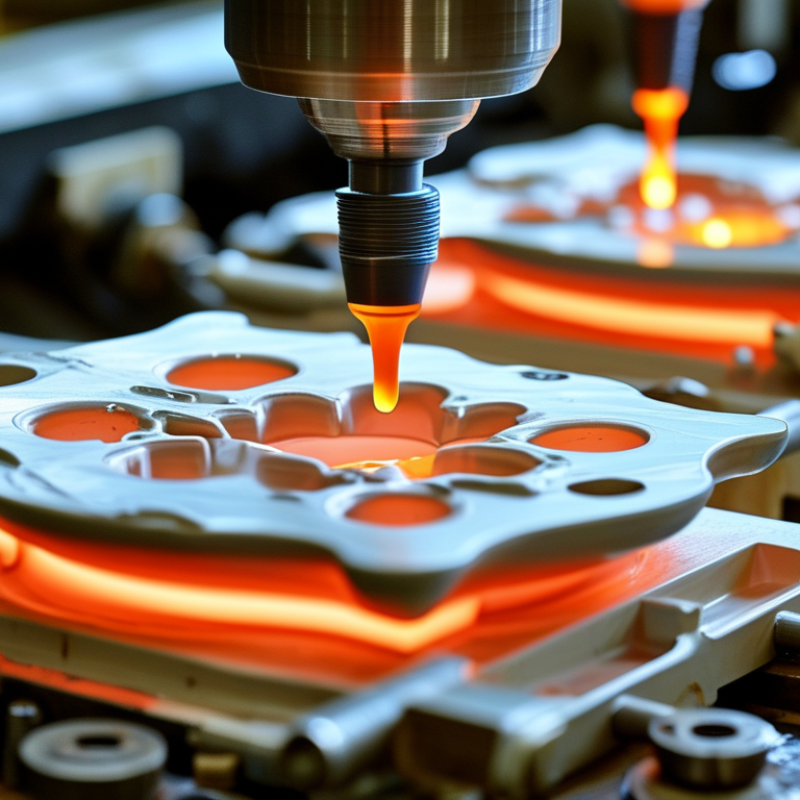
Injection molding is a critical process in modern manufacturing. It involves injecting molten material into a mold to create parts and products. This technique is widely used for producing both simple and complex shapes with precision. The importance of injection molding lies in its efficiency. Mass production becomes feasible with speed and consistent quality. It reduces waste, allowing for cost-effective production.
Moreover, injection molding supports various materials, including plastics, metals, and ceramics. This versatility enables manufacturers to choose materials that suit their specific needs. For instance, a durable plastic can be selected for lightweight components, while a sturdier metal may be used for structural parts. However, choosing the right project can be challenging. Factors like mold design, production volume, and material characteristics must be carefully considered.
The reliance on injection molding also has its downsides. Initial tooling costs can be high, creating a barrier for small businesses. Additionally, design changes can require new molds, incurring further expenses. It’s essential to properly evaluate the requirements and address potential challenges. Reflecting on these aspects can guide manufacturers in making informed decisions about injection molding projects.
Key Factors to Consider When Choosing Injection Molding Projects
When selecting injection molding projects, several key factors should be taken into account. The complexity of the design is crucial. Simple molds are typically less expensive but may not meet specific product requirements. Consider the material needed for the project. Different materials can impact the manufacturing process, final product quality, and overall cost. Make sure to align material choice with the intended application of the product.
Production volume is another important factor. Large-scale production can justify higher initial costs. Production speed and cycle time are also critical. Faster cycles can lead to higher efficiency but may require more sophisticated equipment. Evaluate the production capacity of potential partners to ensure they can meet your demand.
Lastly, consider the expertise of your chosen manufacturer. Their experience can influence the project's success. Research their portfolio and consider customer reviews to gauge reliability. Evaluating these aspects will guide you in making informed decisions. A well-chosen injection molding project can lead to significant success, while missteps in selection can result in wasted resources. This industry demands close attention to detail and a willingness to adapt as needed.
Injection Molding Projects: Key Factors Analysis
Understanding Material Selection for Injection Molding Applications
Material selection is a critical aspect of injection molding projects. The right material affects not only the product's performance but also its production costs. Common materials include thermoplastics and thermosets, each offering unique benefits. Thermoplastics are versatile and can be molded multiple times, while thermosets are stronger and heat-resistant.
When choosing a material, consider the application. Will the product face high stress? If so, selecting a high-strength polymer is important. Alternatively, for aesthetic applications, you might prioritize color and finish. Understanding the environment where the product will be used also plays a vital role. For instance, exposure to chemicals or UV light may dictate the material choice.
Reflect on the potential drawbacks too. Each material has limitations; some may not perform well under certain conditions. Take time to review case studies and past failures in similar projects. Collaborating with experienced professionals can help avoid common pitfalls. Make informed decisions based on reliable data and past experiences. This knowledge can guide you toward a successful injection molding project.
Cost Analysis: Budgeting for Injection Molding Projects
Cost analysis is crucial for anyone planning injection molding projects. Understanding costs helps in making informed decisions. Begin by estimating material expenses. Resin prices fluctuate based on quality and market demand. Research various types to find suitable ones for your project.
Labor costs also play a significant role. Skilled workers are essential for quality production. However, labor costs can vary by region and expertise. Ensure to include all potential expenses in your budget. Don’t overlook maintenance costs for machinery. Equipment may need repairs which can strain budgets unexpectedly.
Consider these tips for better budgeting: always add a contingency fund for unforeseen costs. Having flexibility in your budget allows for adjustments without major disruptions. Additionally, keep track of past projects to refine your estimates. Regularly analyze your expenses to identify patterns and areas for improvement. With careful planning, your injection molding project can be both efficient and cost-effective.
Evaluating Potential Returns on Investment in Injection Molding Technologies
When evaluating potential returns on investment in injection molding technologies, it's crucial to analyze several factors. Understanding material costs is key. Different materials offer various properties and pricing, impacting overall project expenses. For example, choosing a more durable plastic may initially cost more but can reduce long-term production costs through fewer defects.
Production efficiency also plays a significant role. Advanced injection molding machines might require a larger initial investment. However, they often deliver faster cycle times and reduce waste. Assessing how these efficiencies translate to savings over time can provide a clearer picture of ROI.
Market demand is another important consideration. It's essential to identify target markets and potential volume before committing to specific projects. A thorough market analysis helps ensure that production aligns with consumer needs. Gathering data on similar projects can reveal insights. However, it’s also important to remain flexible and ready to adapt strategies. An informed decision is built on a comprehensive understanding of these factors, but the landscape can shift rapidly, requiring ongoing assessment and adjustments.