What is Injection Molding Products and How Are They Made?
Injection molding products are essential in various industries, from automotive to consumer goods. These products are created through a precise and intricate manufacturing process. According to industry expert Dr. Emily Chen, "Injection molding is not just a method; it's a craft that combines science and art." This statement underlines the complexity of creating quality injection molding products.
The process begins with melting plastic pellets. The molten plastic is then injected into a mold, where it cools and solidifies. This method allows for high production rates and consistent quality. However, challenges exist. Imperfections such as air bubbles and material inconsistencies can occur. These issues require careful monitoring and adjustments throughout production.
Understanding injection molding products involves not only knowing the process but also recognizing its impact on design and functionality. As industries evolve, so do requirements for these products. Continuous improvement and innovation are crucial. It's important to reflect on the potential shortcomings of current methods and strive for better solutions. The world of injection molding is constantly changing, demanding a commitment to excellence and adaptability.
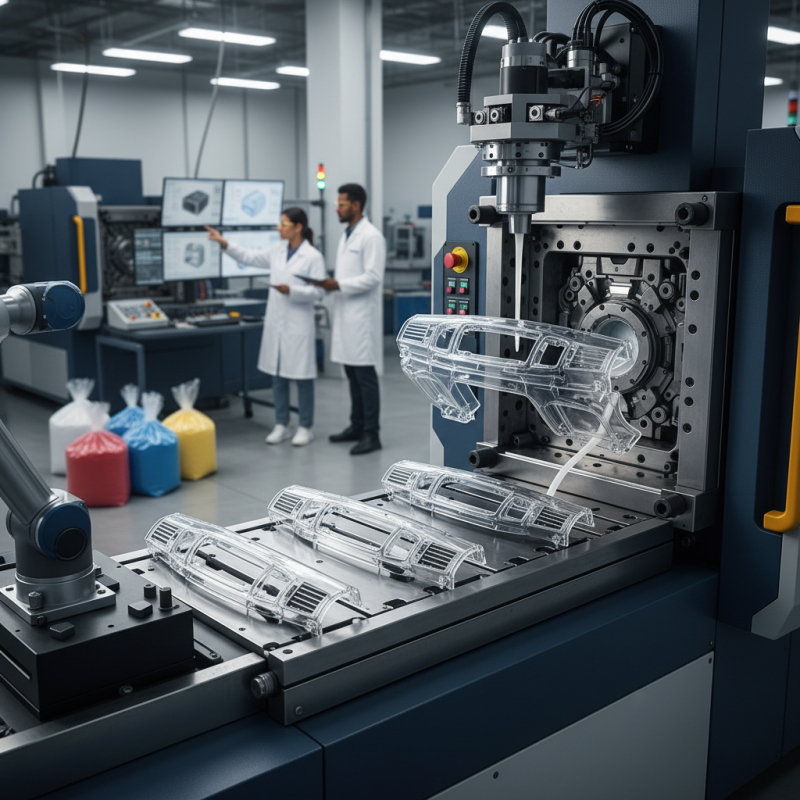
What is Injection Molding?
Injection molding is a manufacturing process used to create parts and products from thermoplastic and thermosetting polymers. This method is widely adopted due to its efficiency and precision. It begins with melting the material. Once melted, the material is injected into a mold under high pressure. After the material cools and solidifies, the mold is opened, revealing the finished product.
The process requires careful design and execution. Molds must be precisely engineered to ensure accurate shape and dimensions. Factors like temperature, pressure, and cooling time play critical roles in the final product's quality. Inexperienced handling can lead to defects, such as warping or incomplete filling. Even minor variations in material properties can impact results significantly.
Despite its advantages, injection molding isn't without challenges. Setting up a production line can be costly and time-consuming. A thorough understanding of the materials involved is essential. Often, manufacturers must test different materials before settling on the most suitable choice. Addressing these variables is vital for successful outcomes in the injection molding process.
Injection Molding Products Production Volume
The Basics of Injection Molding Process
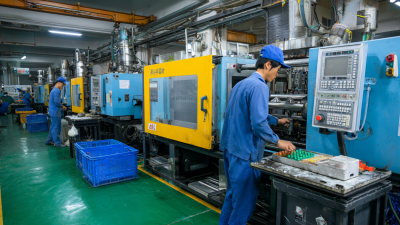
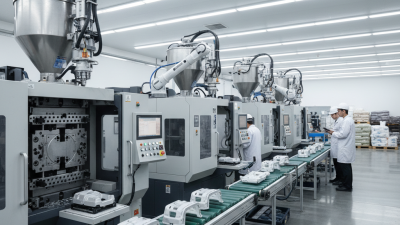
The injection molding process is a fundamental technique used in manufacturing plastic parts. It starts with feeding raw plastic material, typically in the form of pellets, into a heated barrel. The material is heated until it melts and becomes liquid. This liquid plastic is then injected into a mold, which shapes it into the desired form. It’s a precise method that allows for high efficiency and the creation of complex geometries.
After the injection, the plastic cools and solidifies inside the mold. This cooling phase is crucial. If the cooling is uneven, it can lead to defects, such as warping. Once cooled, the mold opens, and the finished part is ejected. The entire cycle can take just a few seconds depending on the part's size.
The mold itself is expertly crafted, often from hardened steel or aluminum. It must withstand repeated use, showing durability. Despite the speed and efficiency, achieving the perfect balance of temperature, pressure, and timing is challenging. Each adjustment can affect the final product's quality. It's a process that requires continual evaluation and improvement. The injection molding process, while efficient, often involves complexities that manufacturers must address to avoid issues in production.
Materials Used in Injection Molding
Injection molding is a versatile manufacturing process. It uses various materials, primarily thermoplastics, and thermosetting plastics. These materials have unique properties that make them suitable for different applications.
Thermoplastics are known for their malleability. They can be heated and reshaped multiple times. Common examples include polyethylene and polypropylene. These materials are favored for their lightweight nature and resistance to moisture.
Thermosetting plastics, on the other hand, are more rigid. Once molded, they cannot be remelted. These materials are ideal for products that require durability and strength. Epoxy resins and phenolic plastics are examples. While they offer significant advantages, they present challenges in recycling.
Choosing the right material is crucial. It affects product performance and manufacturing efficiency. However, not every material is perfect for every application. Some may fail under extreme conditions or may not be eco-friendly. Understanding the properties of each material helps in making informed decisions for specific projects.
The Steps Involved in Injection Molding Production
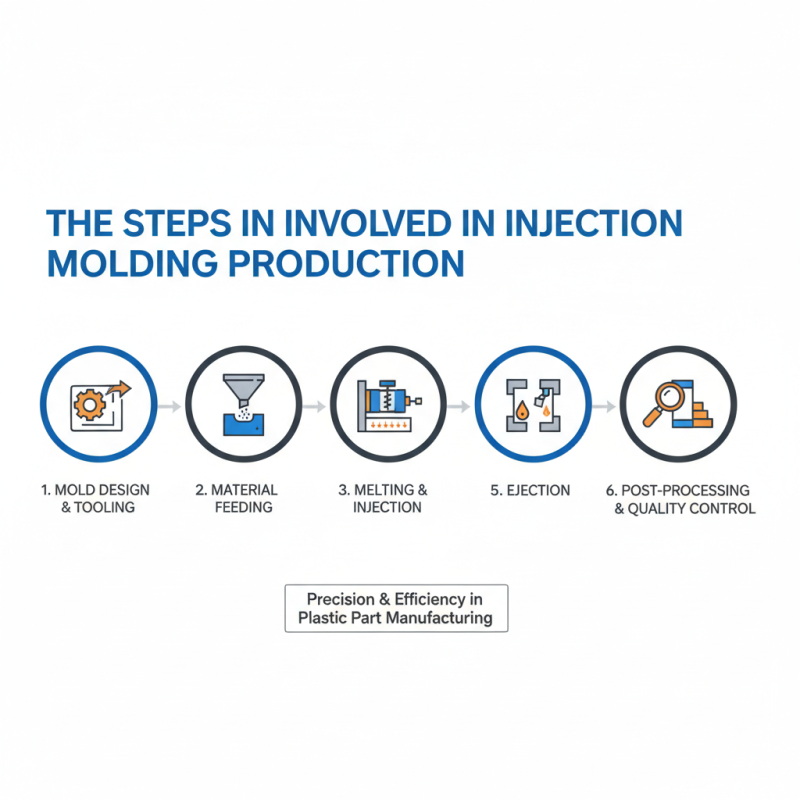
Injection molding is a widely used manufacturing process for creating parts from plastic materials. The production involves several key steps that ensure precision and efficiency.
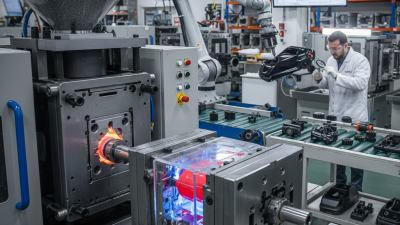
To begin, raw plastic is heated until it melts. The molten plastic is then injected into a mold under high pressure. This allows the material to fill the mold cavity, taking its shape. Cooling follows, where the plastic solidifies. After cooling, the mold opens, and the finished part is ejected.
Tips: Ensure the mold is maintained regularly. A worn mold can lead to defects. Always monitor the temperature during heating. Too high a temperature can cause material degradation.
Post-production, parts may require additional processing, such as trimming or finishing. This stage is crucial for achieving the desired appearance and functionality. Understanding the properties of different plastics can also enhance the end product's quality.
Tips: Test samples early in the process. This helps identify potential issues ahead of full-scale production. Pay attention to waste management. Efficient practices can reduce costs and environmental impact.
Applications and Benefits of Injection Molding Products
Injection molding is a widely used manufacturing process due to its versatility and efficiency.
It produces parts for various industries, from automotive to consumer goods.
According to a report by Smithers Pira, the global injection molding market was valued at approximately
$300 billion in 2020 and is expected to grow by 5% annually through 2025.
This growth reflects the rising demand for lightweight and durable materials in production.
The applications of injection molded products are diverse. Automotive parts, such as dashboards and bumpers, are commonly made using this method.
In electronics, housings and connectors benefit from the precision of injection molding.
Moreover, healthcare products like syringes and drug delivery devices are also produced via this method.
These applications highlight the process's ability to create intricate designs and complex geometries with high repeatability.
The benefits of injection molding include reduced material waste and improved production speed.
A study by Deloitte indicates that companies can save up to 50% in costs when switching from
traditional manufacturing methods to injection molding. However, challenges exist, such as high initial tooling costs and the need for precise calibration.
It’s essential for manufacturers to weigh these factors carefully to ensure cost-effective production while maintaining quality standards.