What is the Ideal Injection Molding Pressure for Best Results?
In the world of manufacturing, achieving optimal results in injection molding requires precise control of various parameters. Among these, injection molding pressure stands out as a critical factor. Experts like Dr. Michael Anderson, a renowned specialist in polymer processing, emphasize its importance. He states, "Finding the right injection molding pressure can make or break production quality."
Molding pressure needs careful calibration. Too low pressure may result in incomplete filling and weak parts. Conversely, excessive pressure can cause defects such as warping or short shots. Striking a balance is key. The ideal pressure varies based on material and part design, making knowledge imperative.
Achieving the best results in injection molding isn't always straightforward. Many engineers face challenges in determining the exact pressure needed. Real-world testing often uncovers flaws that theoretical calculations miss. Continuous learning and adjustments lead to better outcomes over time.
Understanding Injection Molding Pressure and Its Importance
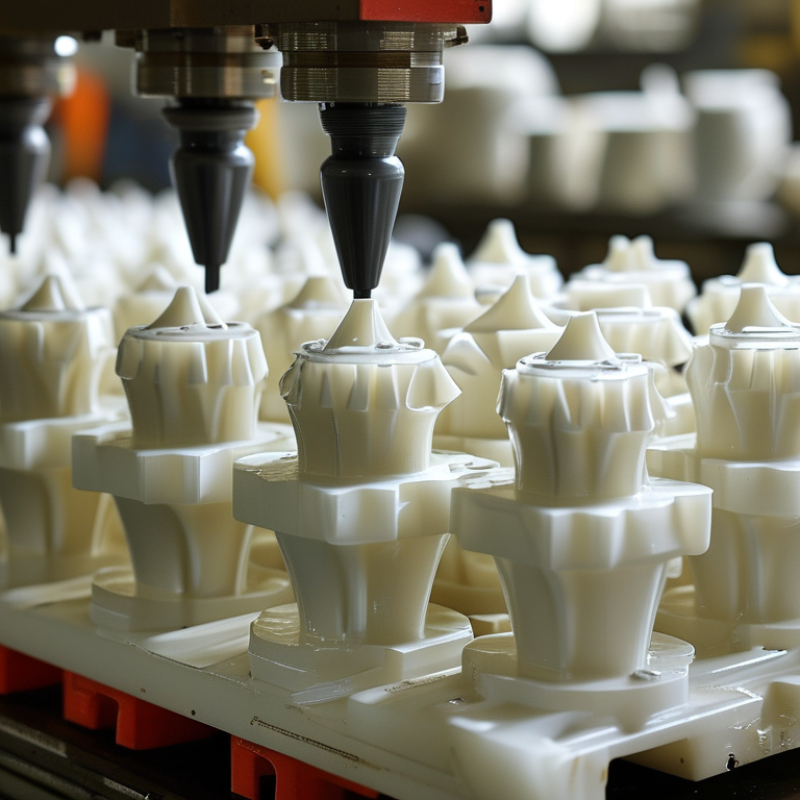
Injection molding pressure plays a crucial role in determining the quality of the final product. It refers to the amount of force used to inject molten plastic into a mold. A good understanding of this pressure is vital for achieving optimal results. Too high pressure can lead to defects such as warping or excessive flash, while too low pressure might result in incomplete fills or weak parts.
In practice, finding the ideal pressure can be tricky. Each material behaves differently under force, so testing is essential. Process variables like temperature and speed also influence the final outcome. It’s important to conduct experiments to identify the sweet spot for each application. Monitoring pressure throughout the injection process helps in catching discrepancies early. Building experience in pressure adjustments leads to better decision-making.
Many professionals overlook minor tweaks in pressure settings. Small adjustments can have significant impacts on product quality. Reflection on past projects can highlight areas for improvement. It is a constant learning curve. Understanding the balance between high performance and material constraints is key to refining the injection molding process. Every success story includes moments of trial and error.
Factors Influencing Ideal Injection Molding Pressure
Injection molding is a complex process influenced by various factors, particularly pressure. Understanding the ideal injection molding pressure is critical for optimizing production efficiency and product quality. Industry reports indicate that the optimal pressure range typically lies between 700 to 1700 bar, depending on the material and part design. Higher pressures may improve fill precision but can lead to defects, such as warping or sink marks.
Another significant factor is the viscosity of the thermoplastic being used. Materials with high viscosity often require increased pressure to fill molds effectively.
According to the Plastics Industry Association, adjusting the pressure based on material type can lead to better outcomes. For instance, PEEK and nylon might necessitate higher pressures than simpler materials like polystyrene.
Machine parameters also play a vital role. The nozzle size, injection speed, and temperature settings work in tandem with pressure levels. Fluctuations in these variables can cause inconsistencies in the final product. A study by the Society of Plastics Engineers highlights how minor adjustments to pressure settings can result in substantial differences in part quality.
Understanding these dynamics is essential for any professional in the field.
Recommended Injection Molding Pressure Ranges for Different Materials
Injection molding pressure is crucial for achieving quality results. Different materials require specific pressure ranges for optimal performance. For example, thermoplastics often thrive at pressures between 700 to 3,500 psi. Higher pressures ensure material flow fills molds completely, reducing defects.
Conversely, thermosetting plastics and elastomers may need lower pressures, typically around 1,000 to 2,500 psi. This variance reflects the unique properties of each material. While thermoplastics are more forgiving during injection, thermosetting materials can be trickier. They have limited flow and require careful monitoring of pressure levels.
It's essential to recognize that pressure isn't the only factor influencing product quality. Other elements, like temperature and cooling times, also matter. Experimentation is often necessary to refine settings. Adjustments based on real-time feedback can yield better outcomes. Balancing pressure settings with other variables is key. In pursuit of perfection, there may be unexpected challenges and inconsistencies. The learning process is invaluable for any professional in the field.
What is the Ideal Injection Molding Pressure for Best Results?
| Material Type |
Recommended Pressure Range (psi) |
Typical Applications |
| ABS |
800 - 1500 |
Consumer products, automotive parts |
| Polyethylene (PE) |
1000 - 2000 |
Plastic bags, containers |
| Polypropylene (PP) |
700 - 1300 |
Automotive parts, packaging |
| Polystyrene (PS) |
900 - 1600 |
Food containers, toys |
| Nylon |
1200 - 2000 |
Textiles, automotive parts |
| Polycarbonate (PC) |
1500 - 2500 |
Safety glasses, electronic housings |
Effects of Injection Pressure on Part Quality and Performance
Injection pressure is a crucial factor in the injection molding process. It significantly affects part quality and performance. An optimal injection pressure can enhance dimensional accuracy, surface finish, and mechanical properties. In general, studies suggest a pressure range of 700 to 1,500 bar. However, pushing limits too high can lead to defects such as sink marks or warping.
Improper pressure settings can lead to issues that compromise product integrity. For example, pressures below the optimal range may cause incomplete filling or short shots. Conversely, excessive pressure can introduce stress, increasing the likelihood of cracking during use. Industry reports indicate that maintaining the right injection speed can alleviate some challenges linked to pressure. Speed, combined with pressure, offers a path to greater control over the molding process.
Monitoring these parameters is essential for achieving the desired results. Quality assurance techniques, such as pressure profiling during production, can help identify discrepancies. By studying these variations, manufacturers can fine-tune their processes. Awareness of the balance between injection pressure, temperature, and speed allows for better product outcomes. In practice, this ongoing evaluation can help prevent defects and enhance efficiency in production runs.
Injection Pressure Impact on Part Quality
This chart illustrates the relationship between injection molding pressure levels and the resulting part quality scores. The optimal injection pressure (1200 bar) yields the highest quality score, while both low (500 bar) and high pressures (1500 bar) show decreased quality.
Adjusting Injection Molding Pressure for Optimal Results
Optimizing injection molding pressure is crucial for enhancing the quality of molded parts. The pressure you apply can significantly affect the part’s strength and finish. Reports indicate that pressures between 1,500 and 3,000 psi are commonly used in various applications. However, these values can vary based on materials and part complexity. A precise balance ensures efficient material flow and minimizes defects.
Adjusting the pressure is often a trial-and-error process. Many industry experts recommend starting with the lower end of the specified range. This approach allows for the observation of how well the material fills the mold. Gradually increasing the pressure can help identify the optimal value that produces parts without warping or contamination. The key lies in monitoring part quality closely to avoid over-pressurization, which can lead to excessive stress on molds and higher scrap rates.
Successful injection molding also requires attention to other factors, such as temperature and cooling time. An effective strategy may involve revisiting pressure adjustments after initial tests. It is common for engineers to overlook these tweaks in pursuit of efficiency. Regular evaluations and willingness to adjust processes lead to enhanced results and minimized waste. In this industry, adaptability is often as important as adherence to established standards.