Top Forklift Collision Detection System for Safe Operations?
In today's bustling warehouses, safety is paramount. The need for effective safety measures is greater than ever. A leading expert in the industry, Dr. Sarah Thompson, emphasizes that “a Forklift Collision Detection System is not just an option; it's a necessity for modern operations.” This insight reflects the urgency of integrating advanced safety technology.
Forklifts are vital for logistics but pose significant risks. The statistics are alarming. Collisions can cause injury and property damage. Implementing a reliable Forklift Collision Detection System can significantly reduce these incidents. Many facilities still lack effective systems, risking employee safety and operational efficiency.
As technology evolves, so do the tools available for enhancing safety. Industry leaders advocate for proactive approaches. However, some companies still hesitate to invest in these systems. This reluctance often stems from budget concerns or a lack of awareness. It’s crucial to recognize that safety investments lead to smoother operations and fewer costly accidents.
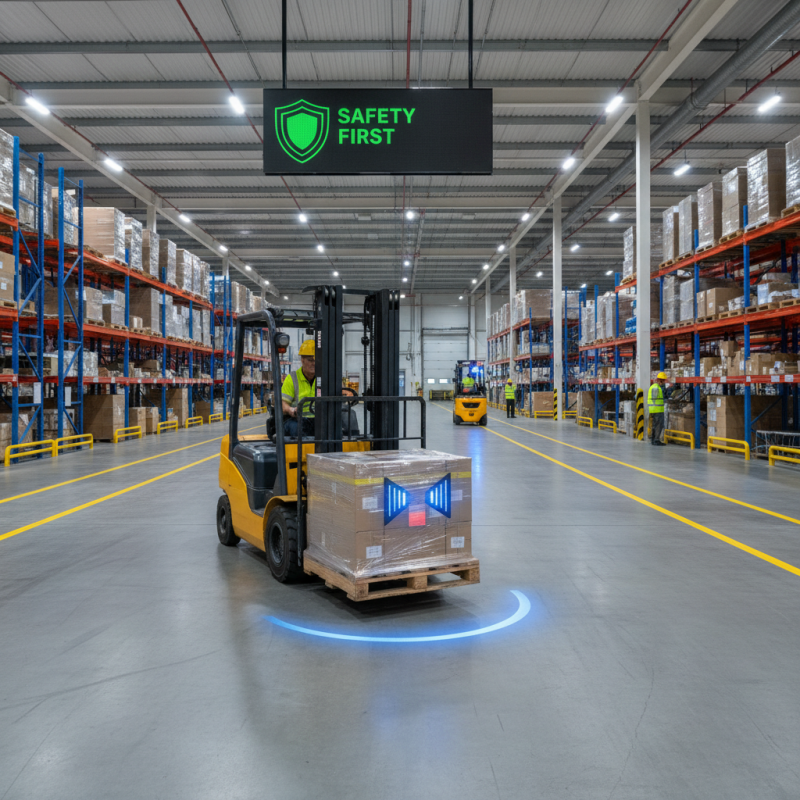
Overview of Forklift Collision Detection Systems
Forklift collision detection systems play a critical role in enhancing workplace safety. These systems utilize sensors and cameras to monitor the environment around forklifts. When an obstacle is detected, the system can alert the operator to prevent accidents. This technology is increasingly important in busy warehouses where visibility may be limited.
Human error remains a significant cause of forklift accidents. The implementation of collision detection systems aims to reduce such risks. While these systems greatly improve safety, they are not infallible. False alarms can occur, leading to operator frustration. Workers must remain vigilant and not solely rely on technology for safety. Training plays a key role in successful integration.
Regular maintenance and updates to these systems are essential. Outdated software can result in failures when it's needed most. Relying on technology without understanding its limitations can be dangerous. Workers and employers must collaborate to ensure that collision detection systems function optimally in their specific environments. Thoughtful integration of technology along with proper training leads to safer operations.
Types of Forklift Collision Detection Technologies
Forklift operations pose significant risks in busy warehouses. Collision detection systems can mitigate these hazards. The market for such technologies is growing rapidly. According to a recent report by the Occupational Safety and Health Administration (OSHA), more than 20,000 forklift accidents occur annually in the U.S. alone. Innovations in collision detection can enhance workplace safety significantly.
There are several types of collision detection technologies. Proximity sensors are widely used in forklifts to detect nearby objects. These sensors alert operators before potential collisions happen. Researchers suggest these systems can reduce accidents by up to 30%. Camera-based systems provide another layer of visibility. They offer real-time video feeds, allowing drivers to see blind spots. However, reliance on visual systems may lead to complacency among operators.
Another promising technology is the use of RFID (Radio Frequency Identification) tags. When placed on shelves or obstacles, these tags interact with forklift sensors. They help identify potential collision hazards before they become a problem. Although effective, the implementation can be complex and costly. Moreover, there is a learning curve for operators. Adopting these technologies may require ongoing training and updates to operational protocols. This can sometimes lead to friction within teams. Balancing technology and human factors is crucial for safety.
Key Features of Effective Collision Detection Systems
Effective collision detection systems are essential for forklift safety. These systems must incorporate real-time monitoring to identify potential risks. Sensors are placed strategically around the forklift. They detect nearby objects and alert operators quickly. This immediate feedback can be a game changer in busy environments.
A good collision detection system uses advanced algorithms. These algorithms analyze movement patterns of both forklifts and pedestrians. By predicting potential collisions, they help prevent accidents. Durability is key; systems need to function in harsh conditions. Regular maintenance is crucial to ensure reliability. However, some systems may still fail under certain circumstances, leading to accidents.
Training operators on system usage is vital. Understanding system alerts can save lives. Yet, human error remains a factor. Operators may ignore warnings or misinterpret signals, highlighting the need for continuous education. Balancing technology with human oversight is necessary for optimal operational safety.
Top Forklift Collision Detection System for Safe Operations
| Feature | Description | Importance | Implementation Difficulty |
| Real-time Monitoring | Continuous tracking of forklift and surrounding objects. | High | Medium |
| Proximity Sensors | Sensors detect nearby obstacles and pedestrians. | High | Low |
| Automatic Braking | Forklift automatically applies brakes when a collision is imminent. | Critical | High |
| Data Analytics | Analysis of collision data to improve safety protocols. | High | Medium |
| Visual Alerts | Visual cues for operators when hazards are detected. | Medium | Low |
Benefits of Implementing Collision Detection in Forklifts
Forklift operations pose significant risks in warehouses and construction sites. Implementing collision detection systems can drastically reduce accidents. According to a report by the Occupational Safety and Health Administration (OSHA), nearly 85 fatalities occur annually from forklift accidents. Collision detection systems can prevent these tragedies by detecting when a vehicle is too close to pedestrians or other equipment.
One key benefit is increased safety. With advanced sensors, forklifts can avoid collisions automatically. A study by the National Safety Council found that effective safety measures could reduce workplace incidents by up to 40%. This dramatic decrease in risk highlights the importance of adopting such systems. Moreover, these systems can enhance operational efficiency by minimizing downtime caused by accidents.
**Tips:** Ongoing training for staff is essential. Employees should understand how collision detection systems work. Regular maintenance checks can ensure that the system functions correctly. This proactive approach can save lives and enhance productivity. Remember, even the best technology requires human oversight. Creating a culture of safety is vital in maximizing the benefits of these systems.
Benefits of Implementing Collision Detection in Forklifts
Best Practices for Using Forklift Collision Detection Systems
When incorporating forklift collision detection systems into warehouse operations, best practices are paramount. Research from industry professionals indicates that nearly 25% of all workplace accidents involve forklifts. Implementing collision detection technology can significantly reduce this risk. Regular training for operators is essential. Skilled operators who understand the systems' functionalities are better equipped to prevent accidents.
Data from the National Safety Council shows that effective use of these systems can lead to a 20% drop in accidents. However, installation alone is not enough. Periodic system checks are vital to ensure reliability. An outdated or malfunctioning system can create a false sense of security. Moreover, encouraging a safety culture among the workforce is crucial. Workers should feel empowered to report issues and suggest safety improvements.
Real-world observations highlight the importance of not solely relying on technology. Human factors play a significant role in ensuring safe operations. Sometimes, operators may overlook warning signals from detection systems. Regular feedback sessions can help identify gaps in awareness. Additionally, integrating the technology with clear signage and visual guides can further enhance safety protocols within any operational environment.
