
Top 10 Electric Parking Brake Caliper Questions Answered

In the evolving automotive landscape, the "Electric Parking Brake Caliper" represents a significant technological advancement. Renowned automotive expert Dr. James Holloway once stated, "Electric braking systems will redefine parking safety." This sentiment reflects the ongoing shift towards smarter vehicle controls.

Drivers today seek convenience and efficiency. Electric Parking Brake Calipers simplify the parking process. They enhance control when stationary, ensuring safety on all terrains. However, many may overlook the complexities involved. Issues can arise, such as failures in electronic components, leading to frustration.

It's crucial for vehicle owners to grasp how this technology works. Understanding the benefits and challenges can lead to informed decisions. Electric Parking Brake Calipers not only boost performance but also necessitate careful consideration. Awareness of potential pitfalls helps maintain reliability and trust in this advancing technology.
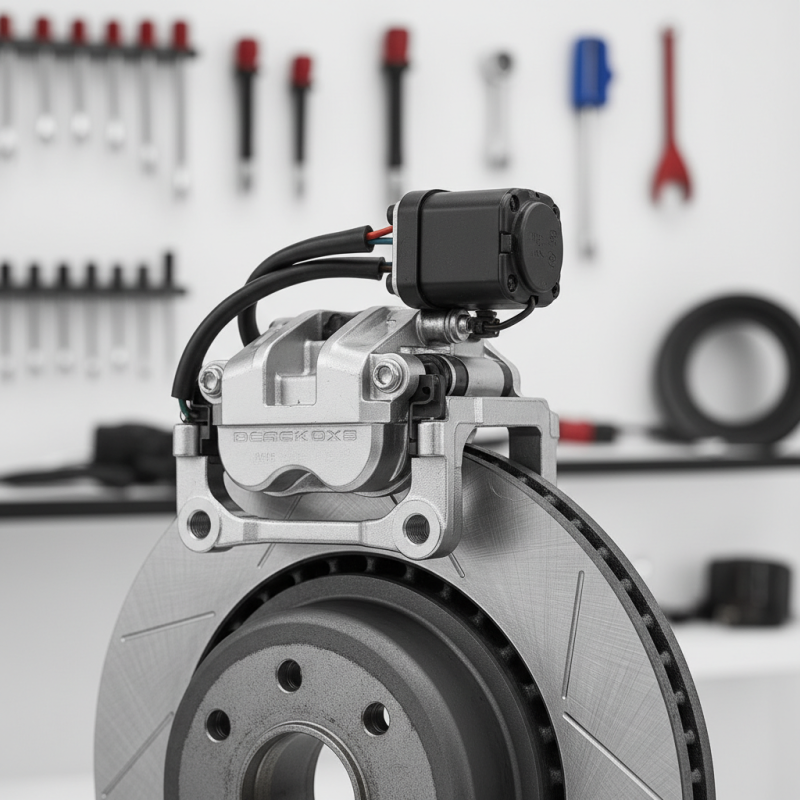
Top 10 Electric Parking Brake Caliper Questions Answered

Understanding the Basics of Electric Parking Brake Calipers

Electric parking brake calipers are gaining traction in modern vehicles. They serve a dual purpose: acting as a brake actuator and providing enhanced convenience. Research shows that these calipers improve parking safety by reducing the risk of accidental rollaways. A report by the Automotive Research Institute highlights that around 32% of vehicles sold globally in 2023 feature electric parking brake systems.

Installation and maintenance complexities can pose challenges. While electric calipers streamline operations, they often require specialized knowledge for repairs. Many technicians may not be familiar with their intricate electronics. As per the latest industry data, over 45% of service centers report difficulties in servicing electric brake systems. This raises questions about training and expertise within the automotive repair field.

Electric parking brake calipers also affect weight distribution. Their compact design allows for more efficient use of space in vehicles. However, adopting this technology is not without its challenges regarding reliability and potential failure rates. Manufacturers must aim for higher standards. Developments in materials and design could enhance the longevity and trustworthiness of these systems. Understanding these nuances is essential for both manufacturers and consumers alike.

Common Issues Faced with Electric Parking Brake Systems

Electric parking brake systems are becoming more common in modern vehicles. However, they come with their own set of challenges. One common issue is system failure. Drivers may find that the brake does not engage or disengage properly. This can lead to unexpected situations, especially on inclines.

Another frequent concern involves the sensitivity of the system. Some users report the brake activating too easily, often with minor bumps or vibrations. This can be distressing in tight parking situations. In contrast, other users might experience a delay when trying to release the brake, leading to confusion or frustration.

Maintenance is key to preventing these issues. Regular checks can identify problems early. In many cases, the problem could simply be a blown fuse or a faulty sensor. Addressing these minor issues can save time and money. Knowing when to consult a professional can also enhance overall vehicle safety. Balancing technology’s benefits with these potential pitfalls is crucial for drivers relying on electric parking brakes.

Step-by-Step Guide to Troubleshooting Electric Parking Brakes

Electric parking brakes (EPB) can be convenient, but they sometimes cause issues. Troubleshooting these systems requires a structured approach. Begin by checking the battery voltage. A weak battery may lead to malfunctions. Make sure connections are clean and secure. Inspect the brake calipers for any physical obstructions or damage.

Tips: Always ensure your vehicle's software is up to date. Some issues may arise from outdated firmware. A simple update can solve many common problems. Regular maintenance can prevent unexpected breakdowns.

Listen for any unusual noises when engaging the EPB. This could indicate a motor issue. Observe the brake warning light on your dashboard. If it stays lit, there might be a problem. Each symptom helps pinpoint the malfunction. It’s essential to understand these signs for effective troubleshooting.

Tips: Document any recurring issues you face. This can help identify patterns and make repairs easier. Don’t hesitate to consult a professional if you're unsure. Proper assistance can save time and prevent further damage.

Top 10 Electric Parking Brake Caliper Questions Answered

Question Answer Common Issues Troubleshooting Tips
What is an electric parking brake caliper? A caliper that electronically engages and disengages the parking brake. Caliper failure, electrical issues, or software glitches. Check fuses, inspect wiring, and clear any fault codes.
How do I know if my electric parking brake is failing? Signs include warning lights, unusual noises, or the inability to engage/disengage. Warning lights, irregular operation. Run a diagnostic check with a scan tool.
Can I manually release the electric parking brake? Yes, most systems allow for a manual release option. Stuck calipers or loss of power. Refer to the owner's manual for the procedure.
What maintenance does the electric parking brake require? Regularly check for software updates and inspect calipers. Neglected firmware or worn components. Schedule periodic inspections and maintenance checks.
What causes the electric parking brake to engage unexpectedly? Could be due to electrical faults or mechanical issues. Electrical short circuits. Inspect wiring and connections for damage.
How do I reset the electric parking brake system? Usually involves a specific sequence of brake pedal presses or a scan tool. System lockout. Consult your vehicle’s service manual for the reset procedure.
What issues can arise from low battery voltage? May prevent the electric parking brake from engaging or disengaging properly. Dim warning lights. Check battery health and connections.
Can electric parking brakes be retrofitted to older vehicles? Generally not practical due to technical complexities. Compatibility issues. Consult with automotive engineering professionals.
What are the advantages of electric parking brakes? More space-efficient design and added features like hill hold assist. Potential electronic failures. Ensure regular software updates are applied.
Is it safe to drive with a malfunctioning electric parking brake? No, it compromises vehicle safety and should be repaired immediately. Risk of rolling. Seek professional assistance as soon as possible.

How to Choose the Right Electric Parking Brake Caliper for Your Vehicle

Choosing the right electric parking brake caliper for your vehicle can be challenging. Various factors impact your decision. Start by considering compatibility. Your vehicle's make, model, and year are crucial. Mismatched components may not function correctly, leading to safety issues. Check your user manual for specifications.

Next, evaluate the caliper's material and design. Strong, durable materials provide longevity and reliability. Aluminum and stainless steel are popular options. They offer excellent resistance to corrosion.

Think about installation. Some calipers require professional help, while others are easier for DIY enthusiasts. If you're unsure, consult a professional. Take time to research different options available. This can save you money and headaches down the line. Don’t rush into a decision without understanding your needs and preferences.

Top 10 Electric Parking Brake Caliper Questions Answered

This chart illustrates the frequency of common questions asked about electric parking brake calipers among vehicle owners. The data shows where the most concerns lie, which can help in deciding on the right product for your vehicle.

Maintenance Tips for Prolonging the Life of Electric Parking Brakes

Maintaining an electric parking brake is crucial for its longevity and performance. Regular inspections should be part of your routine. Check the brake system for wear and tear, especially the calipers. Keep an eye out for any unusual noises or performance dips. These signs often indicate that something may be off. Addressing issues early can prevent costly repairs later.

Additionally, ensure that the brake components are clean and free of debris. Dirt can interfere with the system’s function. Use a soft brush or cloth to wipe down the calipers. It’s also important to monitor the brake fluid levels regularly. Low fluid may affect the braking system's effectiveness. If the fluid appears discolored or contaminated, consider a replacement. A well-maintained parking brake enhances safety and reliability.