Why Choose Cryogenic Gearbox for Your Industrial Needs?
In the world of industrial machinery, the choice of gearbox can make a significant difference. John Smith, a leading expert in mechanical engineering, emphasizes, "A Cryogenic Gearbox is essential for optimal performance in extreme conditions." As industries evolve, the demand for reliable components becomes critical, especially in fields like aerospace and energy.
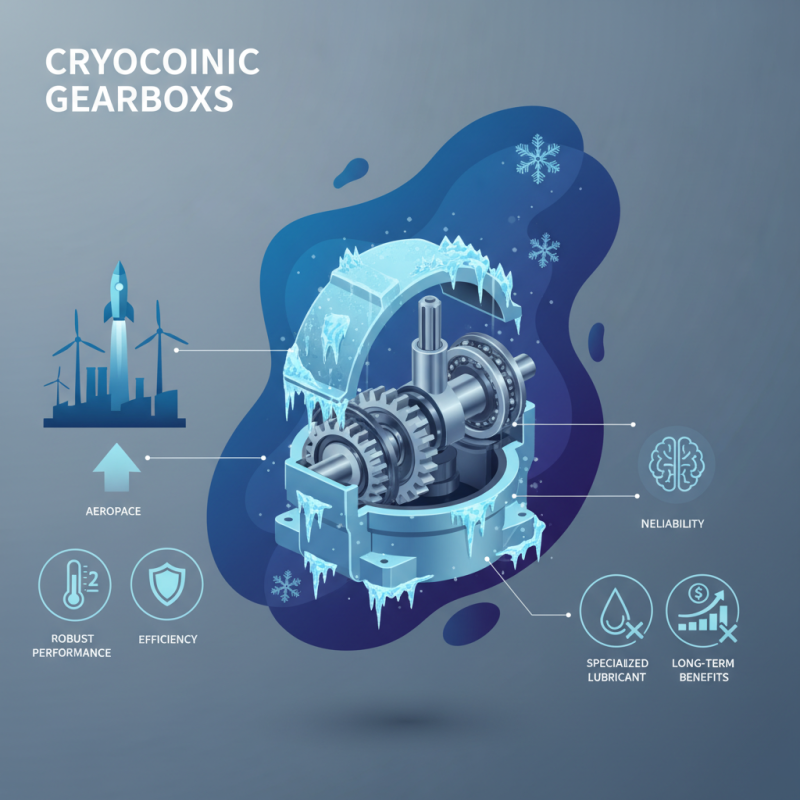
Cryogenic Gearboxes, designed to operate at extremely low temperatures, provide unique benefits. They ensure robust performance while maintaining efficiency in challenging environments. This effectiveness often hinges on their specialized materials and construction techniques. However, many businesses may overlook the importance of selecting the right lubricant or understanding thermal expansion issues. These oversights can lead to inefficiencies and costly downtime.
Choosing a Cryogenic Gearbox means investing in innovation and reliability. It reflects a commitment to quality in environments where traditional gearboxes fail. The long-term benefits can outweigh initial costs, making this an important consideration for industrial leaders. Balancing performance with potential pitfalls requires careful thought and strategy.
Understanding Cryogenic Gearboxes and Their Functionality
Cryogenic gearboxes are specialized mechanisms designed to operate efficiently at extremely low temperatures. These gearboxes are crucial for industries that rely on cryogenic processes, such as liquefied natural gas (LNG) and aerospace applications. Their design often incorporates advanced materials and lubrication systems that remain effective in frigid environments. This ensures that the gearbox can transmit power smoothly without significant wear or failure.
One key feature of cryogenic gearboxes is their ability to handle high torque loads while minimizing energy loss. Many designs focus on reducing backlash and improving efficiency, which is essential in applications requiring precision. However, the complexity of these systems means they demand careful maintenance and regular assessments. The potential for mechanical failure increases if not monitored closely.
Industry experts emphasize the importance of thorough training for personnel dealing with cryogenic gearboxes. Mistakes in handling or maintenance can lead to serious operational issues. Understanding the specific functionalities of these gearboxes allows engineers to optimize their performance and enhance the system's overall reliability. Nonetheless, continuous improvement is necessary, as manufacturers strive to innovate and address challenges in this demanding field.
Key Advantages of Cryogenic Gearboxes in Industrial Applications
Cryogenic gearboxes have gained traction in various industrial applications due to their unique properties. These gearboxes operate efficiently at extremely low temperatures, offering reliability in demanding environments. According to a report by the International Society of Cryogenics, systems using cryogenic technology can experience up to a 30% increase in energy efficiency. This is a significant factor for industries with high energy demands, such as aerospace and research facilities.
One notable advantage of cryogenic gearboxes is their reduced wear and tear. At ultra-low temperatures, materials can exhibit enhanced mechanical properties, allowing gearboxes to withstand higher loads without failure. The Lubrication Engineering Society highlights that gearboxes in cryogenic applications show a 40% reduction in maintenance frequency. This translates into lower operational costs and improved uptime for industries that rely on continuous production processes.
However, there are challenges. The initial cost of cryogenic systems can be higher than traditional gearboxes. Companies must weigh these costs against long-term savings. Furthermore, not all industries have processes compatible with cryogenic technologies. Assessing specific operational needs is crucial. The growing body of research indicates that as industries evolve, the adoption of cryogenic gear will likely increase, paving the way for innovative solutions in industrial applications.
Advantages of Cryogenic Gearboxes in Industrial Applications
Comparative Analysis: Cryogenic Gearboxes vs. Traditional Gearbox Solutions
Cryogenic gearboxes offer unique advantages over traditional gearbox solutions, particularly in extreme environments. These gearboxes excel in low-temperature applications, where standard gearboxes may struggle. The materials used in cryogenic gearboxes are engineered to withstand significant stress without losing performance. This durability often leads to lower maintenance needs and enhanced longevity.
Traditional gearboxes can face limitations when exposed to cold conditions. They may experience material fatigue or lubrication issues. In contrast, cryogenic gearboxes maintain their structural integrity even when temperatures drop drastically. Users often notice improved efficiency and reduced energy consumption in cryogenic systems.
However, the complexity of cryogenic gear technology can raise questions. While they offer substantial benefits, installation and operational processes might require specialized knowledge. This complexity can deter some industries from adopting them right away. Evaluating the specifics of the application remains crucial. Understanding the long-term benefits versus initial challenges can lead to better decisions. Embracing innovative solutions like cryogenic gearboxes may require a mindset shift in traditional industries.
Factors to Consider When Selecting Cryogenic Gearboxes for Your Industry
When selecting cryogenic gearboxes for industrial applications, a few key factors merit careful consideration. Understanding the operating environment is crucial. Cryogenic temperatures can impact material properties. Engineers should assess temperature ranges and potential thermal stresses on the gearbox materials. This ensures the chosen gearbox can withstand extreme conditions.
Reliability is another significant aspect. The gearbox must operate consistently, even under heavy load. Look for design features that enhance durability. Attention should be paid to lubrication methods and seals. These elements can make a difference in performance and maintenance frequency. Choosing a gearbox that minimizes downtime is vital for maintaining productivity.
Finally, the integration process plays a role in selection. Compatibility with existing systems is essential. Not all cryogenic gearboxes easily fit into current setups. Potential adjustments may be necessary, leading to increased costs and delays. Consideration of the entire lifecycle is also important. A gearbox that performs well today may not meet future demands. Choose wisely to ensure long-term efficiency.
Why Choose Cryogenic Gearbox for Your Industrial Needs?
| Dimension | Specification | Applications | Benefits |
| Torque Capacity | 500 - 5000 Nm | Cryogenic Fluid Transport | High Efficiency |
| Temperature Range | -200°C to 0°C | LNG & Cryogenic Storage | Reliable Performance |
| Gear Ratio | 4:1 to 100:1 | Cryogenic Pumps | Compact Design |
| Material | Stainless Steel / Alloy Steel | Cryogenic Processing | Enhanced Durability |
| Weight | 20 - 200 kg | Industrial Applications | Lightweight Construction |
Maintenance and Performance Optimization of Cryogenic Gearboxes
Cryogenic gearboxes serve critical roles in industries requiring extreme low temperatures. These gearboxes must function efficiently under these unique conditions. Maintenance is key for optimizing performance. Regular inspections can reveal wear and identify potential failures. According to recent industry data, proper maintenance can extend gearbox life by up to 30%.
Temperature fluctuations affect parts like seals and bearings. Lubrication becomes vital; using specialized oil helps maintain viscosity. It’s essential to monitor oil levels regularly. A significant finding from a reliability study indicated that nearly 40% of gearboxes fail due to improper lubrication practices. Identifying issues early leads to reduced downtime and increases productivity.
Conversely, unexpected challenges remain. Sometimes, unexpected ice formation can hinder performance. This highlights the need for continuous innovation in design and materials. Regular training for maintenance personnel is also crucial. This ensures they are aware of the latest techniques and technologies. By fostering a culture of proactive maintenance, companies can elevate the reliability of cryogenic gearboxes, ensuring they meet demanding industrial standards.
