How to Choose the Best Zinc Alloy Robe Hooks for Your Needs?
When selecting the best Zinc Alloy Robe Hooks, it's essential to understand their significance in both functionality and design. According to market research, the demand for durable and stylish robe hooks has surged by 27% in the past year. This increase highlights a growing consumer preference for high-quality materials that offer longevity and aesthetic appeal. Zinc alloy, known for its strength and resistance to corrosion, has emerged as a popular choice.
Choosing the right Zinc Alloy Robe Hooks involves considering factors such as weight capacity and installation ease. Many models claim to support up to 15 pounds, but real-world testing often shows varied results. Consumer feedback suggests that while some hooks perform admirably, others fail to meet expectations. It's crucial to analyze user reviews and performance ratings before making a decision.
Additionally, aesthetic appeal plays a vital role in the selection process. A well-designed robe hook can enhance a room's decor. However, not all designs are created equal. Some may look appealing but lack functionality. Striking the right balance between form and function will ensure you invest wisely in your home.
Understanding Zinc Alloy Robe Hooks: Materials and Characteristics
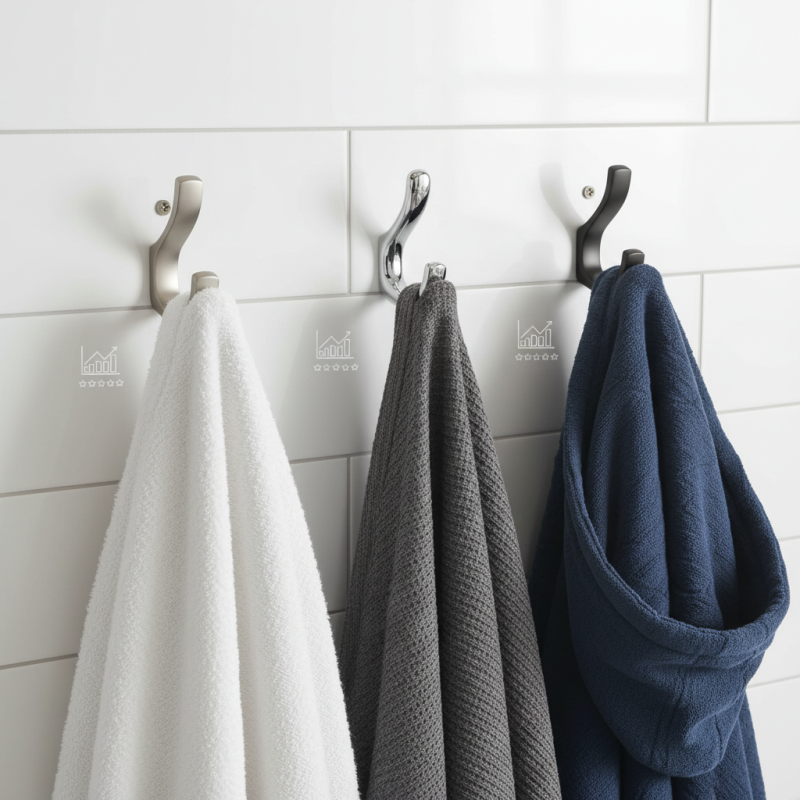
Zinc alloy robe hooks offer a blend of durability and aesthetic appeal. Made from a combination of zinc and other metals, these hooks resist rust and corrosion. This makes them ideal for wet areas, like bathrooms. Their strength ensures they can hold heavy garments without bending or breaking.
The characteristics of zinc alloy include low maintenance and a polished finish. This finish not only adds a sleek look but also enhances longevity. However, be aware that not all zinc alloys are equal. Some may have lower quality, affecting their sturdiness and appearance.
Choosing the best robe hook requires understanding your needs. Think about the weight of items you'll hang. Look for hooks that combine both strength and style. Remember that aesthetics should not overshadow functionality. It's essential to find a balance. Reflect on your choices to ensure they meet your requirements effectively.
Evaluating Hook Design: Styles and Functional Considerations
When selecting zinc alloy robe hooks, design and functionality are paramount. A robust hook design can influence not just aesthetics, but also longevity and utility. Reports indicate that while most consumers prefer sleek designs, practical considerations, such as load capacity, should not be overlooked. A well-designed hook can hold up to 10 kg, making it suitable for heavy robes or towels.
Tip: Always check the weight limit of a hook before purchasing.
Functionality includes how the hook mounts. Adhesive mounts can be easy to install, but they may not support heavy items. Screw-mounted hooks often provide greater stability. Consider the available installation space. If space is tight, consider compact designs that can still hold multiple items without sacrificing strength.
Tip: Aesthetic appeal is important, but ensure it meets your practical needs.
Reflecting on the importance of material, zinc alloy offers corrosion resistance, an essential trait in humid environments. Though fashionable, many hooks fail in durability under high humidity. A mix of style and substance will often lead to successful selection. A thorough evaluation can prevent costly mistakes in the future.
Assessing Weight Capacity: Ensuring Strength and Stability
When selecting zinc alloy robe hooks, one critical factor is weight capacity. This attribute determines how much stress the hooks can withstand while maintaining stability. A report from the Home Improvement Association indicates that hooks with higher weight capacities can hold between 20 to 40 pounds. Choosing hooks that exceed your needs ensures safety and durability.
It's essential to consider the intended use when evaluating weight capacity. For instance, a hook meant for heavy winter coats should support more weight than one for lightweight items like towels. Often, designers overlook user needs. They prioritize aesthetic appeal, but this can lead to poor performance and unsatisfactory customer experiences. Customer feedback highlights the importance of stability, emphasizing that weaker hooks often fail when most needed.
Moreover, you should analyze hanging methods. Some hooks distribute weight evenly, while others may create uneven pressure points. This unevenness can lead to premature failure. Inspecting the materials used in the construction could provide insights into reliability. Zinc alloy is generally robust, but variations exist. Understanding these nuances in design and construction ensures you make informed decisions based on both function and longevity.
Finishes and Corrosion Resistance: Choosing the Right Surface Treatment
When selecting zinc alloy robe hooks, the finish and corrosion resistance play a vital role in ensuring durability. Zinc alloy, known for its strength, can be highly susceptible to corrosion if unprotected. The surface treatment you choose can significantly impact its performance in moist environments, such as bathrooms. A study by the Corrosion Engineers Association found that adequate surface treatment can reduce corrosion by up to 90%.
Various finishes, like chrome plating or powder coating, enhance the aesthetics and longevity of zinc alloy hooks. Chrome plating provides a shiny, reflective surface that is both attractive and resistant to tarnishing. In contrast, powder-coated finishes offer a broader color palette and exceptional durability. According to the National Association of Corrosion Engineers, powder-coated surfaces can last 10-15 years longer than untreated ones. This longevity is particularly beneficial in high-humidity areas, where the failure of hooks can lead to costly repairs.
Choosing the right surface treatment isn't just about looks. It’s about maintaining integrity over time. Some finishes may chip or fade, leading to increased vulnerability. Regular inspections are necessary to ensure the hooks remain functional. Striking a balance between aesthetics and practicality requires careful consideration. Testing materials in real-world conditions can provide insights into their performance, urging manufacturers to improve designs continually.
Installation and Maintenance: Tips for Optimal Performance
When installing zinc alloy robe hooks, consider the surface material. Ensure that the wall can support the hook's weight. This choice affects durability and functionality. Use a level tool for a straight fit. Misalignment can lead to hooks not functioning properly over time.
Regular maintenance is crucial for optimal performance. Wipe down the hooks with a soft cloth to remove dust and grime. This simple task prevents rust and keeps the finish intact. Reflect on the installation location as humidity can affect metal durability. Regular inspections help catch potential problems early. Do you notice any corrosion? It might be time to replace the hooks for safety.
In addition, be aware of overloading the hooks. Each hook has a weight limit. Exceeding this limit can cause bend or breakage. It's a common mistake. Keeping hooks clear of heavy jackets or bags will ensure they last longer. Regularly reassess your usage to protect your investment in quality fixtures.
