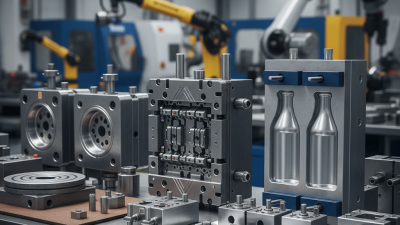
China Top Mold Solution for Global Buyers
China has become a trusted source of mold solution for global buyers seeking precision, flexibility, and controlled production costs. From automotive connectors to medical housings and household components, Chinese mold makers support many industries. Their experience covers plastic injection molds, die-casting tools, silicone molds, and complex multi-cavity systems.
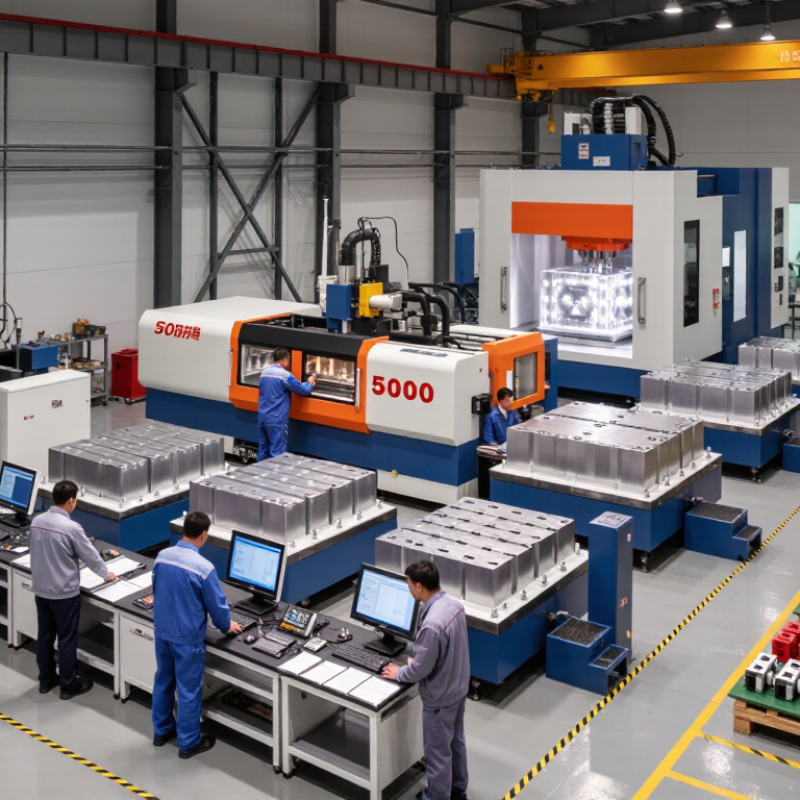
The strongest suppliers do more than cut steel. They review product drawings, identify difficult corners, check draft angles, and suggest changes before machining begins. A practical team may use DFM analysis, flow simulation, CNC machining, EDM, and coordinate measuring machines. In a reliable workshop, engineers inspect cavity dimensions, cooling channels, surface finish, and trial samples. A 500-ton injection molding machine may run the first test, while technicians record pressure, cycle time, and visible defects.
Still, no mold solution works perfectly for every buyer. Material selection, annual volume, tolerances, and regional standards can change the design. Delivery estimates may also shift when steel availability or repeated trials create pressure. That reality deserves honest communication. Experienced Chinese suppliers usually provide inspection reports, sample approval records, maintenance guidance, and clear production milestones. Buyers should verify certifications, request recent project evidence, and review the supplier’s response to tooling problems. Small details matter, such as safe packaging, spare inserts, and documented mold-handling procedures. Trust develops slowly. This guide examines how global buyers can compare Chinese mold partners, reduce technical risk, and build dependable cooperation through measurable quality, transparent communication, and continuous improvement.
China’s Role in the Global Mold Manufacturing Industry
China Top Mold Solution for Global Buyers
China now plays a central role in the global mold manufacturing industry. The China Die & Mould Industry Association reported that China’s mold industry generated over RMB 300 billion in annual output in recent years. This scale supports competitive pricing, broad material access, and fast engineering response. UN Comtrade data also places China among the world’s leading exporters under HS 8480, covering molds, dies, and related tooling.
Demand is changing quickly. According to China’s National Bureau of Statistics, China produced more than 9 million new-energy vehicles in 2023. That growth increases demand for battery housings, lightweight interior parts, and precision automotive molds. Medical devices, electronics, and packaging add further pressure for tighter tolerances. In practice, global buyers often value China’s integrated supply chain more than low cost alone. Steel preparation, CNC machining, polishing, sampling, and modification can happen within one production network. The process is efficient. It is not always perfect.
Tips: Request a full DFM review before production. Confirm steel certificates, mold-flow analysis, tolerance records, and sample approval stages. A lower quotation may hide weaker cooling design or limited after-sales support. Buyers should compare total mold life, not only the first invoice.
Some suppliers still overpromise delivery dates. That deserves careful questioning. A reliable project needs clear drawings, measurable inspection points, and honest communication when design changes occur. As global manufacturing becomes more regional, China remains important because it combines capacity, technical depth, and export experience. Industry reports support this position, but buyer due diligence remains essential.
China’s Manufacturing Scale as a Global Mold-Supply Advantage
China’s share of global manufacturing value added increased from 28.6% in 2018 to 31.6% in 2022, supporting its role as a major production base for molds, dies, tooling, and related industrial components.
Source: World Bank World Development Indicators, manufacturing value added data; percentages are rounded and shown as a macro-level proxy for China’s mold manufacturing capacity.
Core Mold Types and Their Industrial Applications
China Top Mold Solution for Global Buyers
Core Mold Types and Their Industrial Applications
China’s mold industry supports automotive, electronics, packaging, medical, and household manufacturing. Selecting the right mold starts with material, production volume, and dimensional tolerance.
Injection molds produce precise plastic parts, such as instrument panels, housings, caps, and medical components. They suit high-volume production with stable cycle times. Die-casting molds shape aluminum or zinc parts for motor housings, brackets, and heat sinks. These molds require strong cooling systems and careful control of metal flow.
Compression molds work well with rubber, silicone, and thermoset materials. They often serve electrical seals, gaskets, and industrial handles. Blow molds create hollow products, including bottles, tanks, and containers. For thin metal sheets, stamping dies form brackets, covers, and structural panels with repeatable speed. Deep-drawing tools need accurate material testing. Otherwise, cracks may appear near corners.
Experienced mold engineers review gate locations, draft angles, cooling channels, and steel hardness before production. They also compare expected tool life with maintenance conditions.
A cheaper mold may increase repair costs later. This happens more often than buyers expect. Mold trials should use the actual production material whenever possible. Small changes in shrinkage can affect assembly.
Clear drawings, inspection records, and trial samples improve communication between factories and global buyers. Still, no mold solution is perfect. Tool performance depends on design, processing control, operator skill, and regular maintenance.
How China’s Mold Design and Production Process Works
China Top Mold Solution for Global Buyers
How China’s Mold Design and Production Process Works
A reliable mold begins with a clear product review, not a quick quotation. Engineers examine wall thickness, draft angles, shrinkage, parting lines, and expected production volume. They then build a 3D design and run flow analysis before cutting steel. This step can reveal weld lines, air traps, or uneven filling. Small changes here often prevent expensive tool corrections later.
Global plastics production reached 400.3 million tonnes in 2022, according to PlasticsEurope’s 2023 Plastics—The Facts report. That volume increases pressure on mold stability and cycle time. In practical production, designers usually match steel grade, cooling layout, and cavity count to the material and output target. CNC machining creates the main geometry. EDM reaches narrow ribs and deep corners. The mold is assembled, polished, measured, and tested with sample shots.
The gate matters.
Quality teams compare dimensions with approved drawings and record trial results. ISO’s 2022 Survey reported more than 1.2 million ISO 9001 certificates worldwide, showing how widely documented quality systems are used. Still, paperwork cannot replace a careful first trial. A first sample is rarely perfect. I have seen cooling imbalance create minor warpage after every drawing looked correct. That lesson remains uncomfortable. Mold production needs data, but it also needs experienced judgment, traceable inspections, and honest communication about corrections.
Selecting a Reliable Chinese Mold Supplier for Global Projects
China Top Mold Solution for Global Buyers
Selecting a reliable Chinese mold supplier requires more than comparing quotations. According to Grand View Research’s 2024 report, the global injection-molded plastics market was valued at about USD 387 billion in 2023. This scale increases pressure on mold accuracy, maintenance, and delivery control. A capable supplier should review parting lines, draft angles, wall thickness, cooling layout, and expected production volume before pricing the tool.
Ask for measurable evidence.
ISO 9001 certification helps, but it cannot replace process records. Request steel certificates, CMM inspection reports, trial-shot data, and a documented change-control procedure. For demanding projects, review cavity balance, dimensional results, and Cpk targets. The International Organization for Standardization reported more than one million ISO 9001 certificates worldwide in its latest survey, yet certification quality can vary between facilities. Verification still matters.
Visit the workshop, physically or through a live video audit.
Observe toolroom cleanliness, machining capacity, spare-part control, and mold maintenance logs. The supplier should explain how it handles cooling leaks, flash, weld lines, and late design changes. According to a 2023 manufacturing technology survey by Deloitte, many manufacturers consider digital visibility essential for resilient operations. A supplier using traceable inspection files and weekly production updates is easier to manage across borders.
Still, no factory is perfect. Even a strong supplier may underestimate polishing time or overseas shipping risk, so milestones, acceptance standards, and realistic contingency time should be written into the contract.