China Best Quality Stamping Products for Global Buyers?
In the competitive landscape of global manufacturing, China stands out as a leader in producing Quality Stamping Products. These products are essential for various industries, including automotive, electronics, and machinery. Many buyers seek reliable sources that can deliver precise and durable components with attention to detail.
China's manufacturing expertise has a rich history. Skilled artisans and modern technology combine to create impressive results. Companies often invest in the latest machinery. This commitment ensures that they remain at the forefront of quality and innovation. However, challenges exist. Not all manufacturers maintain consistent quality standards, which can lead to buyer frustration.
Finding the right partner requires diligence. Buyers must evaluate suppliers carefully. Factors such as production capacity, quality certifications, and customer reviews are crucial. While many companies excel, others may fall short of expectations. Thus, making informed choices is vital to avoid potential pitfalls. Quality Stamping Products from China can offer tremendous value, provided that buyers approach the market with caution and awareness.
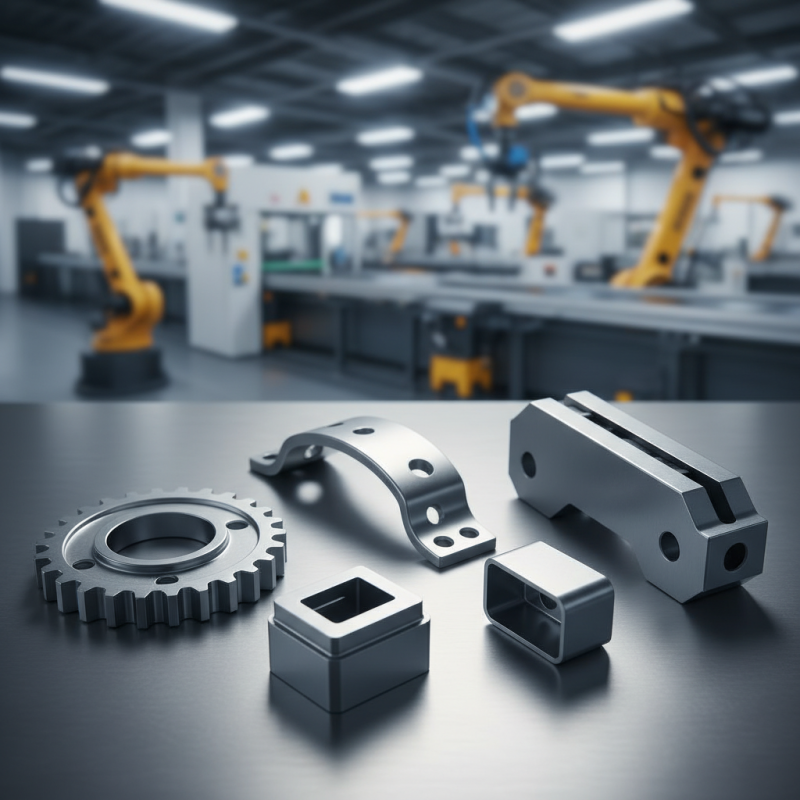
Understanding the Quality Standards of Stamping Products in China
When exploring the quality standards of stamping products in China, it's important to consider several key factors. The quality of stamping products is often determined by manufacturing processes, material selection, and adherence to international standards. According to a report from the International Organization for Standardization (ISO), about 70% of manufacturing defects can be traced back to raw materials. Therefore, a strong emphasis on sourcing quality materials becomes crucial for manufacturers.
Quality control must be a priority throughout the production cycle. Implementing rigorous inspections can lead to a significant reduction in defects. Some manufacturers report a defect rate as low as 1%, while others struggle with up to 10%. To improve these statistics, many companies invest in advanced technologies such as automated inspection systems. However, reliance on technology alone is not enough. A skilled workforce remains essential to bridge gaps in quality assurance.
**Tips:** Regular training sessions for workers can enhance skills and ensure they are aware of quality standards. Collaborating with third-party inspectors can provide an unbiased assessment of the production quality. Consistent communication with global buyers about these standards builds trust and aligns expectations. Small misalignments can lead to larger issues down the line, making it critical to address these gaps proactively. Quality is an ongoing journey, not a one-time checklist.
Key Industries Utilizing Stamping Products and Their Requirements
Stamping products are essential in various industries. Automotive, electronics, and appliances rely heavily on these components. In the automotive sector, precision and durability are crucial. Parts like brackets and housings must withstand extreme conditions. Manufacturers often face challenges in achieving consistent quality. High-volume production increases the risk of defects.
In electronics, stamping products must meet strict specifications. Thin metal sheets are used for intricate designs. The challenge lies in maintaining tight tolerances while ensuring performance. Industries expect timely delivery and reliability. Any delays can disrupt the entire supply chain.
Appliance industries seek innovative designs and cost-effective solutions. Stamping products should not only be functional but also aesthetically pleasing. There is often a trade-off between cost and quality. Balancing these demands is vital. Companies may need to invest in advanced technologies and skilled labor to enhance production efficiency. The path to optimal results is complex and requires constant evaluation.
Evaluating the Manufacturing Process of High-Quality Stamping Products
The manufacturing process for high-quality stamping products involves several critical stages. Precision in design and material selection is essential. According to industry reports, over 75% of defects in metal stamping arise from material inconsistencies. Choosing the right steel or aluminum can significantly affect the final product's integrity. Each material comes with unique properties that impact durability and performance.
Quality control is another vital aspect. Many manufacturers implement strict testing protocols. Statistical Process Control (SPC) is often used to monitor production quality. It can catch anomalies early, preventing waste and ensuring a consistent product. Around 30% of companies reported improved efficiency through improved quality control measures.
Lastly, the skilled workforce plays a crucial role. Training employees on advanced machinery increases their proficiency. Yet, reports indicate that nearly 40% of firms face a skills gap. This gap may lead to variations in product quality. Continuous investment in employee development is essential for maintaining high standards in the stamping industry.
Major Global Markets for Chinese Stamping Products: Trends and Insights
Chinese stamping products have gained significant traction in major global markets. According to recent industry reports, the global stamping market is projected to reach $235 billion by 2027, with Asia-Pacific being the fastest-growing region. China’s dominance in this sector can be attributed to its robust manufacturing capabilities and cost-effective solutions.
Demand for precision components is rising in sectors like automotive and electronics. A study highlights that over 40% of global manufacturers now prioritize sourcing from trusted suppliers in China. This trend emphasizes quality assurance and compliance with international standards. However, challenges persist. Issues like quality variability and intellectual property concerns can undermine trade relations.
The European and North American markets show a growing preference for advanced stamping techniques. Reports indicate a shift toward sustainable practices, with 30% of manufacturers adopting greener operations. Understanding these trends is crucial for global buyers looking for reliable partners in China. The evolving market dynamics require careful evaluation to ensure successful collaborations.
Comparative Analysis of Chinese Stamping Products vs. Global Competitors
When evaluating stamping products, Chinese manufacturers often stand out. Their production processes have advanced significantly. Many factories utilize modern technology, leading to high-quality outputs. These advancements position China as a competitive player on the global stage.
However, quality inconsistencies remain. Some producers may prioritize quantity over quality. This can lead to variability in product standards. While larger operations often maintain quality control, smaller firms struggle. Buyers should examine supplier portfolios carefully. It’s essential to ask for samples before making bulk purchases. Understanding nuances in production processes is crucial.
In contrast, many global competitors focus on niche markets. Their products may offer distinctive features. Some brands emphasize sustainability in their manufacturing. This adds another layer to the decision-making process. Buyers should weigh these options based on specific needs. Chinese stamping products may shine in cost-effectiveness, but expertise varies widely.
