China Best Low Pressure Injection Molding Solutions for Buyers?
When exploring low pressure injection molding solutions in China, buyers face a unique landscape. The market offers diverse options, each with various strengths and weaknesses. Knowing the ins and outs of these solutions is crucial for making informed decisions.
Many manufacturers boast advanced technologies and cost-effective methods. However, not all offer consistent quality. It’s essential to evaluate both innovation and reliability in their processes. How can buyers distinguish between reputable suppliers and those that fall short?
Low pressure injection molding has proven its worth in producing delicate components with precision. Yet, buyers must remain vigilant. Assessing customer reviews and industry certifications can help ensure a choice that meets expectations. Ultimately, understanding the complexities of this market leads to smarter purchasing decisions.
China's Low Pressure Injection Molding Overview
Low pressure injection molding is gaining traction in China. It offers unique advantages for manufacturers. This method reduces defects in production and saves energy. Ideal for producing complex designs, it uses lower temperatures and pressures. This leads to better material flow and precision. Many industries are adopting this technology.
In recent years, China's expertise in this area has grown. Companies are investing in advanced machinery and skilled workforce. This boost enhances the quality of products. However, not all manufacturers maintain the same standards. Some may cut corners to reduce costs. It’s crucial to evaluate potential suppliers carefully.
Buyers should focus on experience and technical know-how when choosing partners. There is a wealth of information available but not all of it is reliable. Engaging with local experts can shed light on the best practices. Testing different suppliers can help identify the right fit. The quest for quality and efficiency continues as the industry evolves.
China Best Low Pressure Injection Molding Solutions
This chart illustrates the efficiency of various materials used in low pressure injection molding solutions in China. The data represents the units produced for each material type, showcasing the performance of these solutions.
Key Benefits of Low Pressure Injection Molding in China
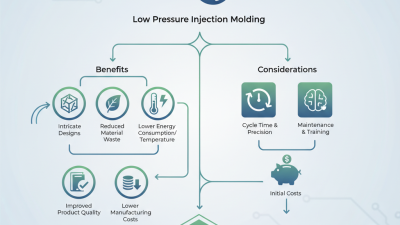
Low pressure injection molding has gained significance in China’s manufacturing landscape. This method uses lower melt temperatures, reducing energy consumption by 20-40%. This not only helps manufacturers save costs but also decreases the environmental impact.
A major benefit of low pressure injection molding is the ability to reduce material waste. Industry reports suggest that reducing scrap rates can lead to a cost reduction of 10-15% per project. Additionally, the process allows for more complex designs. Manufacturers can achieve intricate shapes without compromising quality. This flexibility is vital in meeting the diverse needs of buyers.
Tips: Monitor your production efficiency closely. Small adjustments can lead to significant savings. Invest in regular training for your workforce. Skilled operators produce better outcomes. Consider collaborating with suppliers who understand low pressure technologies. They can offer insights that can enhance your operations.
Top Manufacturers of Low Pressure Injection Molding Machines in China
Low pressure injection molding machines are increasingly popular in the manufacturing sector. These machines are vital for producing lightweight components in industries like automotive and electronics. According to a recent market report, the global low-pressure injection molding market is expected to grow at a CAGR of around 5% by 2026. This growth highlights the importance of advanced manufacturing solutions.
In China, several manufacturers stand out in this competitive space. They are known for their cutting-edge technology and efficient production processes. These companies provide machines that not only reduce material wastage but also enhance product durability. A focus on sustainability has become more critical, reflecting a growing demand for eco-friendly solutions in manufacturing.
However, the industry faces challenges. Many manufacturers struggle with high initial costs and the need for skilled operators. Additionally, the rapid pace of technological advancements can make it hard for companies to keep up. Innovation and investment in training programs are vital. The future of low-pressure injection molding in China will depend on how well manufacturers adapt to these evolving needs.
Factors to Consider When Choosing Low Pressure Injection Molding Solutions
When considering low pressure injection molding solutions, several factors demand careful evaluation. Material compatibility is crucial. Different polymers require specific processing conditions. According to a 2021 Plastics Technology report, over 35% of molding failures arise from poor material selection. Therefore, understanding the properties of each material can prevent costly mistakes.
Another vital element is equipment performance. The efficiency of the injection molding machine greatly impacts production speed and quality. Industry data indicate that enhancing machine efficiency by just 10% can lead to a 15% reduction in costs. This aspect often forces buyers to reflect on the balance between initial investment and long-term savings. Choosing equipment based solely on price can be misleading. Equally important is the after-sale support offered by the provider. Reliable support can greatly influence overall productivity.
Energy consumption is an emerging concern. Eco-friendly solutions are becoming more desirable as industries aim for sustainability. A recent study showed that optimizing energy use in injection molding could reduce operational costs by up to 20%. Buyers should weigh these factors against their production goals, reflecting on potential long-term impacts. Each choice has distinct consequences, and a careful assessment is necessary for the best outcomes.
Cost Analysis: Budgeting for Low Pressure Injection Molding in China
Low pressure injection molding is becoming popular in China for various industries. Understanding the cost implications is crucial. Factors influence expenses, including raw materials, manufacturing processes, and labor costs. Each element plays a significant role in the overall pricing.
Budgeting for low pressure injection molding requires careful consideration. Raw materials can vary greatly in price. Choosing the right supplier is essential for quality and cost. Additionally, the complexity of the molds impacts manufacturing costs. Simple designs may save money, but intricate designs often lead to higher expenses.
Investing in low pressure injection molding can result in cost-saving opportunities. However, companies must anticipate the potential for unexpected costs. For instance, if the production runs into issues, costs may rise. Regular communication with manufacturers can help manage these risks. Balancing quality and cost is challenging but vital for success.
China Best Low Pressure Injection Molding Solutions for Buyers - Cost Analysis
| Dimension |
Data |
| Average Cost (USD) |
$5000 |
| Typical Lead Time (weeks) |
6-8 |
| Material Options |
PPO, ABS, PC |
| Common Applications |
Automotive, Electronics, Household |
| Energy Consumption (kWh per cycle) |
0.5-1.0 |
| Environmental Compliance |
ISO 14001 |
| Plastic Waste Rate (%) |
3-5 |
| Customer Satisfaction Rate (%) |
85 |