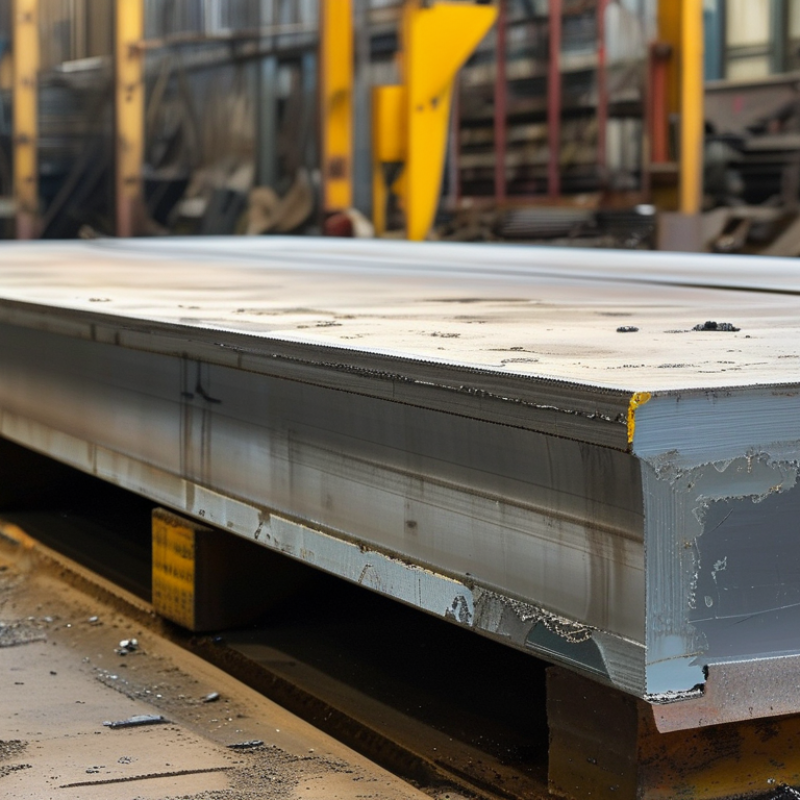
Best Hard Overlay Wear Plate Solutions for Global Buyers?
The demand for Hard Overlay Wear Plates has been growing globally. These solutions provide durability in harsh environments. According to Dr. Alice Thompson, a leading expert in materials science, "Finding the right Hard Overlay Wear Plate can significantly reduce maintenance costs." Her insights underline the importance of selecting quality materials.
The challenge lies in the varied applications. Industries face different wear challenges. Such complexities require tailored solutions. Many buyers may struggle with choosing the right type. An effective Hard Overlay Wear Plate must withstand unique conditions.
Proper selection is crucial. The right choice can enhance productivity. Yet, some buyers are unaware of how to assess quality. Understanding material properties is vital. This might lead to mistakes. Therefore, awareness and education in the selection process are key.
Best Hard Overlay Wear Plate Materials: A Comparative Analysis
When selecting hard overlay wear plates, several materials stand out in the comparative analysis. High-carbon steel offers excellent hardness and durability but may lack in toughness. In contrast, chromium carbide provides higher wear resistance, especially in abrasive environments. A 2022 industry report from the Wear Materials Association indicates that non-ferrous alloys are gaining traction for their lighter weight and stress distribution properties.
Many experts emphasize ceramic-coated plates for extreme conditions. These options can withstand high temperatures and corrosive environments. However, they often come with a higher initial cost. The varying performance indicators, like toughness and resistance to impact, all depend on the specific application. It's crucial to analyze operational conditions before making a choice.
Some applications may require a combination of materials for optimal performance. The perfect solution often remains elusive, highlighting the need for ongoing research and innovation in wear plate technology. A deep dive into user feedback frequently reveals inconsistencies in performance, prompting a reconsideration of material selection based on real-world results. Balancing cost, durability, and application demands remains a challenge for many in the industry.
Global Market Trends in Hard Overlay Wear Plates: 2023 Insights
The global market for hard overlay wear plates is evolving rapidly in 2023. According to a recent industry report, the demand for these durable solutions is projected to grow by 8% annually. The increase is driven by industries such as mining, construction, and manufacturing that prioritize equipment longevity. Companies are increasingly aware of the role of wear plates in reducing maintenance costs and enhancing productivity.
There’s a noticeable shift towards high-performance materials. Advanced overlay techniques, like welding and thermal spraying, are gaining traction. These methods contribute to wear resistance and extend service life. However, not all solutions meet stringent quality standards. Many customers report frustrations with inconsistent performance across different manufacturers. Ensuring quality becomes crucial in this competitive landscape.
Another point of consideration is customization. Different applications require specific properties, such as hardness and toughness. Lack of tailored solutions can lead to inefficiencies, as standard options may not always fit unique operational needs. Reliable suppliers are increasingly offering customization to better cater to diverse industries, signaling a trend towards more personalized service in the wear plate market.
Top Manufacturers of Hard Overlay Wear Plates: Market Share & Innovations
The global market for hard overlay wear plates is evolving. Innovations in materials and manufacturing processes are driving this transformation. Companies are focusing on enhancing durability. Advanced hard-facing techniques improve wear resistance significantly. This change is essential for industries relying on heavy machinery.
Top manufacturers explore new composite materials. These materials often provide superior hardness and toughness. Some focus on eco-friendly solutions. Sustainable production methods gain traction. However, challenges remain in balancing performance and environmental impacts.
In terms of market share, some players dominate the field. These leaders offer reliable products, but there’s room for newcomers. Smaller firms often drive innovation with niche solutions. Their agility allows for rapid adaptation. Not all innovations guarantee success. Testing and validation are crucial. Market dynamics continue to shift as buyers seek optimal performance and value.
Best Hard Overlay Wear Plate Solutions for Global Buyers
| Manufacturer Region | Market Share (%) | Innovative Features | Product Range | Average Lead Time (weeks) |
| North America | 25 | High abrasion resistance | Standard and customized | 4 |
| Europe | 30 | Wear-resistant coatings | Heavy industry specific | 6 |
| Asia-Pacific | 20 | Custom sizing options | Broad range of materials | 5 |
| Middle East | 10 | Local production | Customized wear plates | 3 |
| Latin America | 15 | Advanced metallurgical techniques | Standard offerings | 7 |
Applications of Hard Overlay Wear Plates Across Industries: Key Statistics
Hard overlay wear plates play a crucial role in various industries. They provide superior abrasion resistance in demanding environments. According to industry research, wear plates can reduce equipment wear by up to 80%. This remarkable reduction can lead to significant cost savings.
Applications of these plates are diverse. The mining industry widely uses them for conveyor systems and hoppers. A recent report indicated that over 60% of mining operations rely on wear plates to enhance equipment lifespan. Manufacturing sectors also depend on hard overlay solutions. They protect machinery from high-impact scenarios and wear, ensuring efficiency.
Despite their advantages, choosing the right material can be challenging. Many buyers struggle to identify the best solutions for their specific needs. Reports also suggest that improper installation can diminish their effectiveness. Regular evaluations and maintenance are essential to maximize performance. Understanding the best practices in selecting and using wear plates can lead to improved operations across various sectors.
Cost-Benefit Analysis of Hard Overlay Wear Plates for Industrial Buyers
When evaluating hard overlay wear plates, it’s crucial to consider the cost-benefit analysis. These plates enhance the durability of machinery. They protect equipment from wear and tear, reducing downtime. Over time, the savings from less frequent replacements can be significant.
However, investment in high-quality overlay wear plates is not always straightforward. Initial costs may seem high. Industrial buyers often face a dilemma: do they invest in expensive materials or opt for cheaper alternatives? A thorough analysis is necessary to determine value over time. The longevity of these plates can lead to fewer maintenance issues.
Additionally, the choice of material and application matters greatly. Some industries demand exceptional wear resistance. Others may not require such high standards. Industrial buyers must weigh these factors carefully. An optimal solution is not always clear-cut; it may vary with specific needs. Assessing wear plates through a lens of practical experience fosters informed decisions.