Top 10 Best Blue Wine Bottles Wholesale Options for Buyers?
In the world of wine, blue wine has emerged as a captivating trend. The allure of "Blue Wine Bottles Wholesale" is gaining momentum among buyers looking to stand out in the market. Renowned industry expert Dr. James Weller states, "The unique color of blue wine presents an exciting opportunity for vendors." This insight underscores the growing demand for these distinctive bottles.
The market for blue wine is evolving rapidly. Vendors need to understand the intricacies of sourcing these unique bottles. Quality and design are crucial elements that attract consumers. As the preference for colorful beverages increases, so does the need for reliable wholesale options. Buyers must carefully consider which suppliers align with their vision.
Navigating the wholesale landscape can be challenging. Not every supplier guarantees authentic blue wine bottles. It's essential to research and connect with reputable manufacturers. Forging solid partnerships can lead to successful sales. A careful approach ensures that buyers choose the best options available in the "Blue Wine Bottles Wholesale" sector.
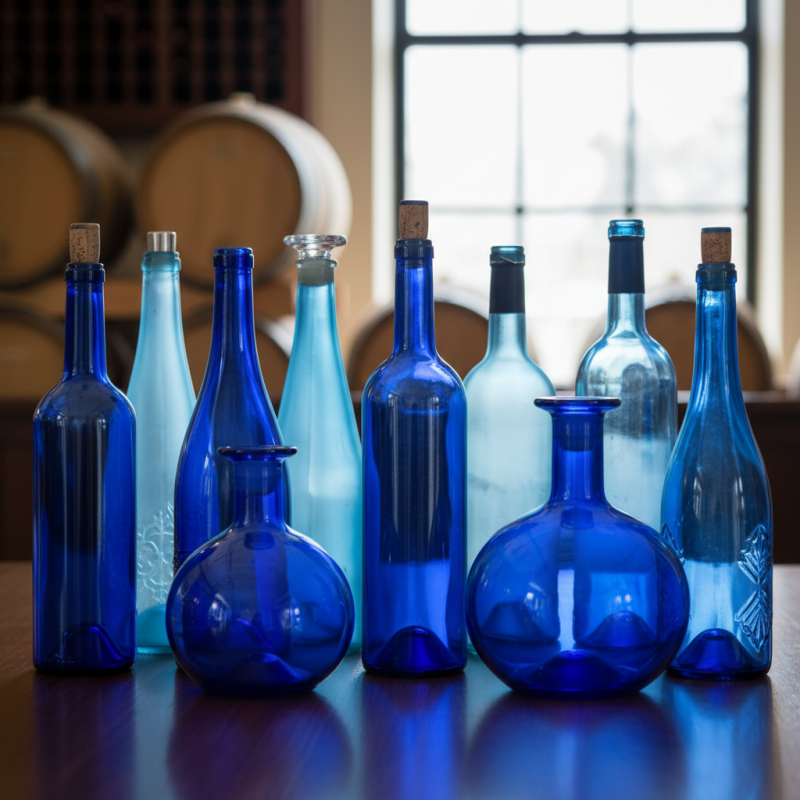
Overview of Blue Wine and Its Rising Popularity
Blue wine is gaining traction in the beverage market. Its vibrant color and unique taste appeal to a wide audience. Recent data indicates that blue wine sales have increased by over 25% annually. This growth is attributed to changing consumer preferences and social media influence.
The allure of blue wine lies in its aesthetic value. A study revealed that 70% of consumers are drawn to products that are visually striking. While the flavor profile can vary from sweet to dry, the vibrant hue contributes significantly to its popularity. Yet, not all offerings in this category meet quality standards. Some wines lack depth and complexity. This inconsistency may deter potential buyers.
Market analysts predict that the demand for blue wine will continue to rise. However, producers must focus on quality to sustain interest. As more options emerge, buyers may find it challenging to navigate the choices. In this evolving market, understanding consumer preferences is key for success.
Factors to Consider When Selecting Blue Wine Bottles for Wholesale
When selecting blue wine bottles for wholesale, various factors come into play. Buyers should prioritize the quality of the glass. High-quality glass not only enhances aesthetics but also protects the wine from UV light. It’s crucial to inspect the thickness of the bottle, as it affects durability during shipping and storage. Consider the shape of the bottle too; it impacts the perception of the wine. More intricate shapes can attract customers, but they may not be feasible for all wine types.
Another factor is bottle closure. Options include corks, screw caps, and synthetic closures. Each has its own advantages and disadvantages for preservation. Buyers should research how each closure method interacts with the wine over time. The color of the blue glass matters as well. Deep shades can create a more premium look, while lighter hues may be more appealing to certain markets.
Lastly, cost is an essential consideration. While it is tempting to go for the cheapest option, quality should not be compromised. Balancing cost and quality is vital for long-term success. Take time to reflect on how each choice aligns with brand identity and target audience. Aim for a blend of unique style and practicality in the bottles selected.
Top 10 Suppliers for Blue Wine Bottles: A Comparative Analysis
When exploring suppliers for blue wine bottles, it’s essential to assess various factors. Quality should be a priority. Look for suppliers that employ high-quality materials. The shades of blue in their bottles can vary significantly. Matching the exact hue for branding purposes may require careful selection.
Another crucial consideration is the supplier's reliability. Timely delivery and consistent stock are vital for maintaining your inventory. It's wise to request samples to inspect the bottles firsthand. This helps gauge their craftsmanship and durability. Inevitably, price will also come into play. Some suppliers may offer attractive discounts for bulk orders, yet the quality shouldn’t be compromised.
Communication is another aspect where some suppliers may lag. Transparent, responsive interactions are pivotal. It’s best to work with those who provide detailed information about their production processes. Each supplier’s strengths and weaknesses can influence your buying decision. Always leave room for questions and clarifications. Avoid rushing the selection process, as it can lead to regrettable choices.
Pricing Trends for Blue Wine Bottles in Wholesale Markets
The wholesale market for blue wine bottles is evolving. Recent data indicates a growing trend in pricing for these unique bottles. In 2023, average prices increased by approximately 12% due to rising demand and production costs. Factors such as limited supply and increased customization options contribute to these price shifts. Buyers need to be aware of these trends when making purchasing decisions.
Understanding the market's fluctuations is crucial. Wholesalers may see prices vary between $2 to $6 per bottle based on volume and design choices. Bulk purchases often lead to better pricing. Additionally, seasonal demand spikes can affect stock availability.
Tip: Always compare different suppliers for the best rates. It’s wise to negotiate terms, especially if you're buying larger quantities. Look for early deals or off-season promotions to save costs.
Another tip is to analyze trends in consumer behavior. Reports show that millennials prefer Instagrammable products, impacting the demand for aesthetically pleasing bottles. Keeping an eye on these preferences can guide your purchasing strategy and inventory choices. Understanding the pricing landscape and consumer trends is essential for success in this niche market.
Top 10 Best Blue Wine Bottles Wholesale Options
Sustainability Practices in Blue Wine Bottle Production and Supply
The blue wine industry is emerging as a notable player in sustainable practices. A recent report from the Food and Agriculture Organization highlights that the demand for eco-friendly packaging is increasing annually by 5%. This trend is driven by consumer awareness and a desire for transparency in production processes. Blue wine bottles often use recyclable materials. Yet, challenges remain in ensuring all components meet sustainability standards.
Innovations in bottle manufacturing can directly impact environmental performance. For example, companies are exploring lighter bottles to reduce carbon emissions during transport. A study indicates that reducing bottle weight by 20% can save up to 30% in shipping emissions. However, not all producers are adopting these practices consistently. Some still rely on traditional methods, which can be less sustainable. This inconsistency reveals a gap in the market that needs addressing.
In addition, the water footprint of blue wine production is another critical factor. A report by the World Resources Institute states that wine production can require up to 560 gallons of water per gallon of wine. This raises important questions about water use, especially in regions experiencing drought. As production scales up, the industry must reflect on these challenges and improve overall sustainability efforts.
Top 10 Best Blue Wine Bottles Wholesale Options for Buyers
| Option | Bottle Type | Capacity (ml) | Sustainability Practices | Price Range (USD) |
| Option 1 | Cylindrical | 750 | Recycled Glass | $5 - $8 |
| Option 2 | Cone Shape | 500 | Eco-Friendly Ink | $4 - $7 |
| Option 3 | Tapered | 750 | Organic Materials | $6 - $9 |
| Option 4 | Straight Neck | 750 | Reduced Carbon Footprint | $5 - $10 |
| Option 5 | Bulbous | 375 | Water-Soluble Labels | $3 - $6 |
| Option 6 | Egg Shape | 750 | Minimal Packaging | $5 - $8 |
| Option 7 | Spherized | 750 | Bamboo Caps | $7 - $11 |
| Option 8 | Vintage Style | 750 | Sustainable Sourcing | $8 - $12 |
| Option 9 | Classic | 750 | Local Ingredients | $6 - $10 |
| Option 10 | Artistic Design | 750 | Fair Trade Practices | $7 - $13 |
