2026 Best Aluminum Composite Panel Manufacturers to Consider?
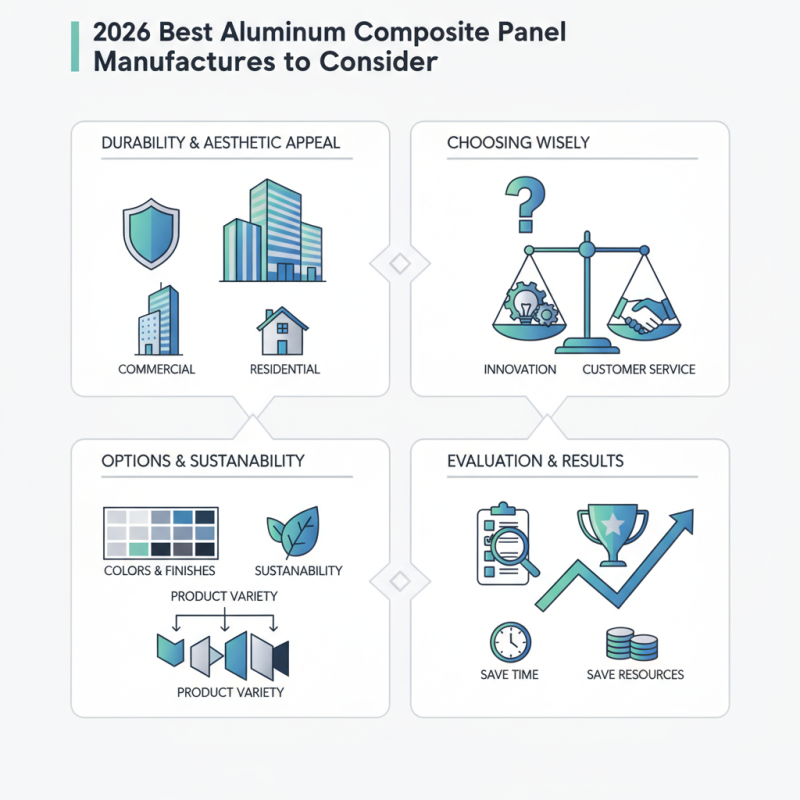
Choosing the right aluminum composite panel manufacturers is crucial for quality construction. These materials are popular due to their durability and aesthetic appeal. They offer versatility for various projects, from commercial buildings to residential homes.
In 2026, several manufacturers stand out in the market. They provide a range of options in colors and finishes. However, knowing which manufacturers deliver the best can be challenging. Some companies excel in innovation but may lack customer service. Others prioritize sustainability yet fall short on product variety.
Understanding the strengths and weaknesses of aluminum composite panel manufacturers can guide your decision. A thorough evaluation can save time and resources. Reflecting on the features that matter most can lead to better results for your projects.
Overview of Aluminum Composite Panels and Their Applications
Aluminum composite panels (ACP) are widely used in construction and design. They consist of a non-aluminum core sandwiched between two aluminum sheets. This construction provides strength and durability. ACPs are lightweight and flexible, making them a preferred choice for facades and interior applications.
The global market for aluminum composite panels is expected to reach $6.6 billion by 2027, growing at a CAGR of 5.2% from 2020. This growth is driven by urbanization and the demand for modern architecture. Additionally, ACPs are resistant to weather and fire, enhancing their appeal. Common applications include building exteriors, signage, and interior cladding.
Tips: When selecting ACP, consider the thickness. Thicker panels offer better insulation and durability. Evaluate the surface finish. It can affect appearance and maintenance. Always check local codes for compliance. Aluminum composite panels should adhere to safety regulations to avoid potential hazards in construction.
While ACPs have many benefits, they are not without challenges. Installation can be complex and may require skilled labor. Compatibility with other materials is a concern. Poor choice of adhesives may lead to delamination. Always research before purchasing. The right decisions can lead to successful projects.
2026 Best Aluminum Composite Panel Manufacturers to Consider
| Manufacturer Location | Annual Production Capacity (sq. meters) | Product Variety | Sustainability Features | Market Presence |
| North America | 500,000 | Standard, Fire-Retardant, Custom Colors | Recyclable Materials, Low Emissions | Strong |
| Europe | 400,000 | Standard, Anti-UV, Decorative Panels | Eco-Friendly Coatings, Energy Efficient | Moderate |
| Asia | 600,000 | Standard, Nano Anti-Bacterial, Custom Sizes | Recyclable, Water-Based Adhesives | Growing |
| South America | 300,000 | Standard, Insulated, Fireproof | Non-Toxic Materials, Low VOCs | Emerging |
Criteria for Selecting Top Aluminum Composite Panel Manufacturers
When selecting the best aluminum composite panel manufacturers, several criteria come into play. Firstly, quality assurance is crucial. Look for manufacturers who implement stringent quality control measures. This ensures that the panels are durable, weather-resistant, and meet industry standards. Pay attention to certifications that reflect compliance.
Another important aspect is innovation. Manufacturers should be able to offer a range of designs and finishes. This flexibility allows for various architectural styles, enhancing aesthetic appeal. However, it’s essential to research the materials used. Some manufacturers may prioritize cost over quality, leading to less reliable products.
Customer service plays a pivotal role too. Engage with potential manufacturers to gauge their responsiveness. Quality communication is vital for a successful partnership. Yet, there may be times when their service does not meet expectations. Such experiences can indicate a need for improvement. Overall, choosing the right manufacturer requires careful consideration and ongoing evaluation.
2026 Best Aluminum Composite Panel Manufacturers Evaluation
List of Leading Aluminum Composite Panel Manufacturers in 2026
In 2026, the aluminum composite panel market continues to expand. Many manufacturers are stepping up their game. This shift is driven by several factors including design, durability, and sustainability. The demand for visually appealing yet functional materials is strong.
Key players focus on integrating innovative technology into their production processes. Some companies emphasize lightweight panels that are easy to install. Others focus on eco-friendly materials that minimize environmental impact. However, not every manufacturer has perfected their approach. Some may struggle with quality control or have inconsistent supply chains. It’s crucial to identify these issues before choosing a supplier.
Additionally, customer feedback plays a vital role in manufacturer reputation. Reviews often highlight service quality and material performance. Transparency in production processes can also build trust with clients. Potential buyers should seek manufacturers who are open about their practices. A balance between cost and quality remains essential. Finding the right partner can lead to successful projects and lasting relationships.
Innovative Features to Look for in Aluminum Composite Panels
When choosing aluminum composite panels, innovative features are crucial. One significant aspect is the core material. High-density polyethylene (HDPE) cores are popular due to their lightweight and durability. Reports indicate that a panel with an HDPE core can have a lifespan of over 30 years without significant degradation. However, not all HDPE is created equal, and some options may underperform under extreme conditions.
Another critical feature to consider is the panel's fire rating. According to the International Building Code, certain applications require fire-resistant materials. Panels with a fire-resistant mineral core can meet these standards. These panels can reduce fire spread, adding an extra layer of safety. Yet, some manufacturers fall short of providing accurate fire rating data. It's essential to verify certifications to ensure compliance with local regulations.
Lastly, surface finishes and colors play a vital role in aesthetics and maintenance. The right finish can enhance scratch resistance and UV stability. A report by the Building Products Association notes that panels with superior finishes demand less maintenance over time. Nevertheless, not all finishes offer the same longevity. As a result, buyers should research long-term performance rather than just visual appeal. Each feature carries weight, and thoughtful consideration is key.
Future Trends in the Aluminum Composite Panel Industry
The aluminum composite panel (ACP) industry is witnessing significant transformations. With a projected annual growth rate of 5.20% from 2021 to 2026, this segment is evolving rapidly. Architectural applications now dominate the market, accounting for approximately 37% of demand. Innovative designs using ACPs are reshaping urban landscapes, but the pressure to meet sustainability goals remains high. More manufacturers are adopting eco-friendly materials to align with global environmental standards.
Future trends indicate a shift towards lightweight and durable panels. As urbanization continues, the need for versatile and energy-efficient panels grows. A survey by a leading industry report revealed that 65% of architects prefer using lightweight materials for easier installation. However, the quality and performance of these panels may sometimes be compromised. This presents a challenge for manufacturers as they balance innovation with reliability.
The rise of smart buildings also influences ACP design. Integrating technology into panel manufacturing could enhance energy efficiency. Yet, this innovation carries risks. Market readiness and consumer acceptance are still uncertain. As trends evolve, the industry must reflect on these challenges and adapt accordingly.