Top 10 Benefits of Machine Injection for Global Buyers?

Machine injection has become a game changer in various industries. According to Dr. Jane Thompson, an expert in manufacturing processes, “Machine injection optimizes production while reducing waste.” This innovation allows global buyers to enhance their operations significantly.

One key benefit is efficiency. Machine injection minimizes manual labor, which can lead to faster production times. However, it requires initial investments. Companies must balance costs with potential long-term gains.

Moreover, the precision offered by machine injection is noteworthy. It improves product quality and consistency. Yet, some manufacturers might struggle to adapt their existing processes. Embracing this technology comes with its challenges, but the rewards can be substantial. Understanding these benefits can help global buyers make informed decisions.
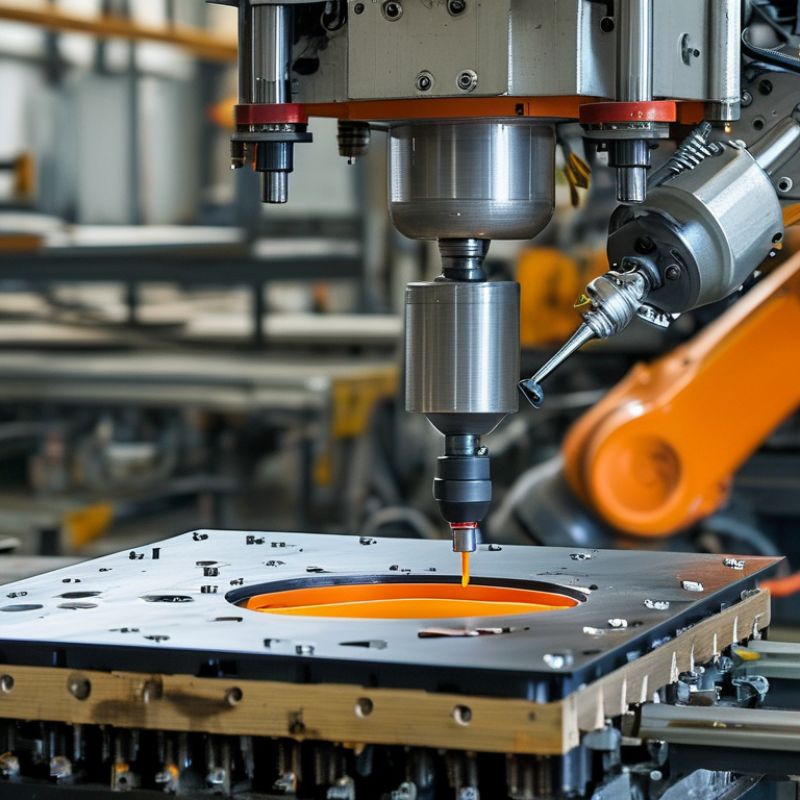
Top 10 Benefits of Machine Injection for Global Buyers?

Overview of Machine Injection Technology in Global Markets

Machine injection technology has revolutionized manufacturing processes in global markets. By utilizing precise dosage and pressure control, it enhances product quality and consistency. This method lowers production costs and reduces waste, making it an attractive choice for buyers worldwide. Moreover, machine injection supports complex designs that traditional methods struggle to achieve.

For companies exploring machine injection, it’s vital to assess your specific requirements. Identify the materials and production volumes needed. This clarity helps in selecting the right machinery and optimizing the process. Regular maintenance of injection machines can prevent unexpected breakdowns and ensure longevity.

Adopting sustainable practices with machine injection is also essential. While this technology offers efficiency, it can have environmental implications. Be mindful of energy usage and waste management. Employing eco-friendly materials can limit your ecological footprint. Consider collaborating with suppliers who prioritize sustainability. These steps not only enhance your reputation but also align with global trends towards greener production methods.
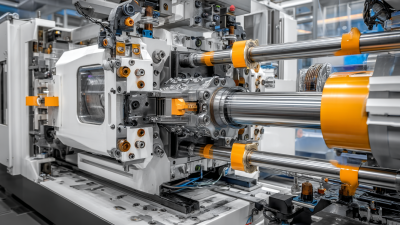
Enhanced Precision and Efficiency in Manufacturing Processes

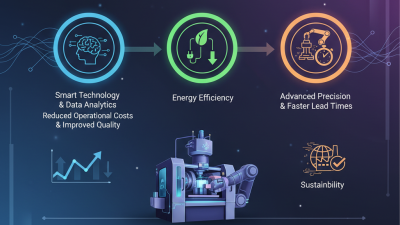
Machine injection technology revolutionizes manufacturing by enhancing precision and efficiency. This process delivers accurate measurements, minimizing material waste and reducing production time. Precision in machine injection helps manufacturers create complex designs that adhere to exact specifications. As a result, the end products exhibit better quality, which satisfies consumer demands.


In many scenarios, machine injection can address production inconsistencies. Traditional methods can lead to variations, causing delays and rework. With precise control over the injection process, manufacturers can achieve uniform results.


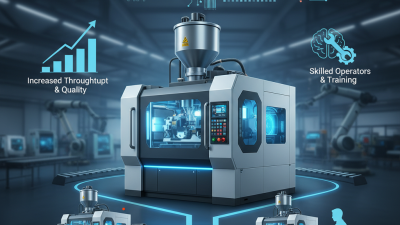
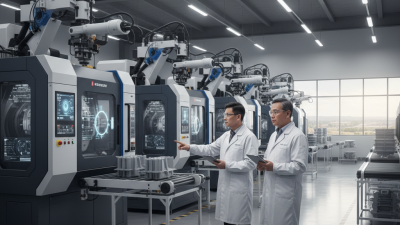
However, implementing this technology may require upfront investments and skilled personnel to operate advanced machinery. Effective training and adoption of new techniques are essential. Some manufacturers may struggle with the transition. They might face challenges integrating machine injection into existing workflows. Evaluating these hurdles can lead to better strategies and improved performance. This reflection is vital for long-term success in competitive markets. Embracing these innovations ultimately positions manufacturers to thrive and meet global standards.

Cost-Effectiveness and Resource Optimization for Buyers

Machine injection offers significant benefits for global buyers, particularly in terms of cost-effectiveness and resource optimization. According to recent industry reports, businesses that adopt machine injection see an average reduction in production costs by up to 25%. This substantial saving is attributed to decreased material waste and optimized cycle times. The ability to automate processes also reduces labor costs, which further enhances overall profitability.

In addition, resource optimization is critical in today's competitive market. Studies show that companies employing machine injection technologies can improve resource utilization rates by 30%. This efficiency not only maximizes output but also minimizes the environmental footprint. For instance, optimizing the use of raw materials leads to fewer resources being consumed and reduced energy costs. However, the implementation of these technologies requires careful planning and adjustment. Companies may face initial challenges in training staff and integrating new systems into existing operations.

While the benefits are considerable, buyers must reflect on potential drawbacks as well. Transitioning to machine injection involves upfront investment in equipment and training. This cost may deter some buyers, especially those operating on tight budgets. Furthermore, adjustments to processes may take time, impacting short-term productivity. It’s essential for businesses to weigh these factors against long-term gains.

Environmental Sustainability and Reduced Waste Generation

Machine injection technology is gaining traction among global buyers, primarily due to its environmental benefits. This process significantly reduces waste generation compared to traditional manufacturing methods. Reports indicate that conventional processes can produce up to four times more scrap material. By utilizing machine injection, manufacturers can achieve near-zero waste, which is vital for promoting sustainability.

Additionally, machine injection allows for precise control of material usage. This minimizes excess raw materials and the energy consumed during production. According to industry data, energy consumption in injection molding can be lowered by 30% compared to older methods. This not only meets the increasing demand for eco-friendly solutions but also helps companies lower operational costs.

However, the implementation of this technology is not without challenges. Higher initial costs for machinery can deter small manufacturers. Furthermore, the learning curve associated with adopting new technologies may slow down the transition. Companies must weigh these factors carefully while considering the long-term benefits of reduced environmental impact and operational efficiency.

Top 10 Benefits of Machine Injection for Global Buyers

Benefit Description Environmental Impact Waste Reduction (%)
Improved Material Utilization More efficient use of raw materials in production. Reduces extraction and processing of new materials. Up to 30%
Lower Energy Consumption Efficient energy use during the injection process. Decreases carbon footprint significantly. 20-25%
Minimized Waste Generation Processes designed to create less scrap and off-cuts. Promotes a circular economy. 15-30%
Recyclability of Materials Use of recyclable materials enhances sustainability. Decreases landfill contributions. Varies by material (up to 50%)
Enhanced Product Precision Reduces defects and scrap through precision design. Less waste generated from production errors. 10-20%
Shorter Lead Times Faster production cycles result in less waste. Lower operational emissions. Varies by method
Sustainable Supply Chain Collaboration with suppliers focused on sustainability. Encourages greener practices across the board. 30-40%
Customization Flexibility Allows for tailored products with less waste. Promotes use of exact materials needed. Up to 20%
Reduction in Greenhouse Gases Lower emissions through efficient processes. Supports climate goals and initiatives. 15-35%
Environmental Certifications Facilities obtain eco-friendly certifications, boosting marketability. Overall industry impact increases. Varies

Diverse Applications Across Various Industries and Sectors

Machine injection is transforming various industries with its diverse applications. The technology is not limited to a specific sector. It's widely utilized in automotive, consumer goods, and healthcare. According to the International Association of Plastics, the global injection molding market is projected to reach $400 billion by 2025. This growth indicates a rising demand for efficient production methods across different fields.

The automotive sector benefits significantly from machine injection. It allows manufacturers to produce lightweight and complex parts, improving fuel efficiency. Reports indicate that automotive companies using injection molding reduce material waste by up to 30%. Healthcare applications are equally impressive, with machine injection allowing for precision in producing medical devices. This precision is crucial, as even minor defects can impact patient safety.

Tips for maximizing machine injection include regular maintenance and proper process monitoring. Regular maintenance ensures machine longevity and reduces the risk of production downtime. Effective monitoring of the injection process helps in identifying potential issues early, thus minimizing waste. Investing in employee training can also enhance production quality. Engaging workers in the process awards insights that can improve efficiency. As industries continue to evolve, adapting to these technologies is essential for staying competitive.

Top 10 Benefits of Machine Injection for Global Buyers