What Is the Aeration Process in Wastewater Treatment?
The importance of the Aeration Process In Wastewater Treatment cannot be overstated. According to Dr. James T. Railsback, a leading expert in environmental engineering, “Aeration is crucial for efficient wastewater treatment as it aids in the breakdown of organic pollutants.” This statement highlights the essential role that aeration plays in ensuring clean water returns to our ecosystems.
The Aeration Process engages microorganisms, which thrive in oxygen-rich environments. This process enhances the digestion of organic matter. As air is injected into wastewater, bacteria consume harmful substances, converting them into harmless byproducts. Yet, not all systems function perfectly. Variability in aeration rates can lead to suboptimal conditions.
Moreover, the balance of oxygen levels is delicate. Too much oxygen can harm certain bacteria, while too little can hinder treatment effectiveness. These challenges can create uncertainty in the treatment process. Continuous monitoring is vital. As wastewater treatment facilities evolve, understanding the complexities of the aeration process remains a critical area for improvement.
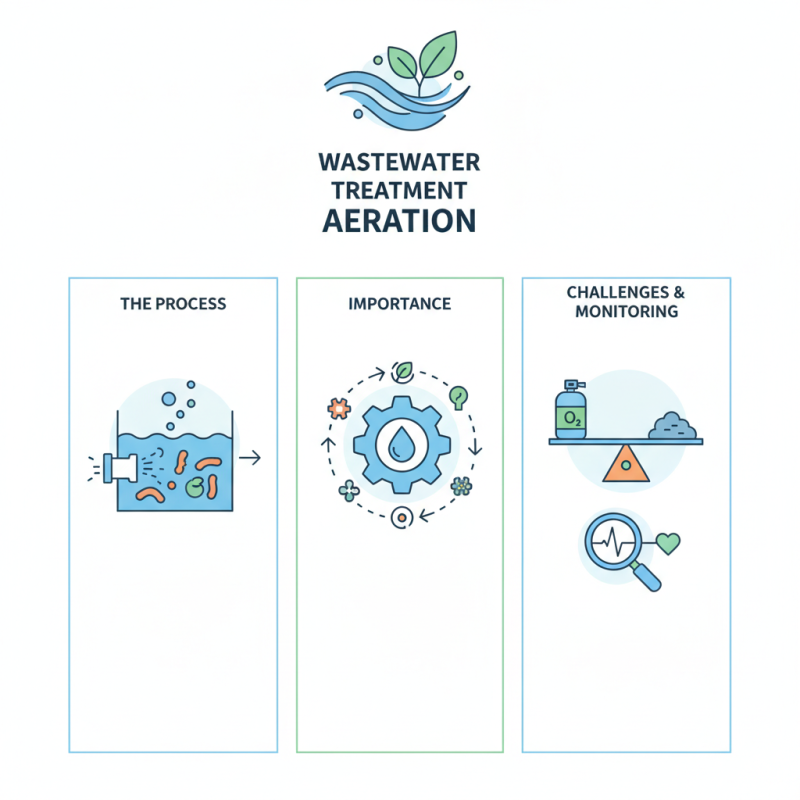
Understanding the Aeration Process in Wastewater Treatment
Aeration plays a crucial role in wastewater treatment. It involves introducing air into the water to promote the growth of beneficial microorganisms. These microorganisms break down organic matter, effectively reducing pollutants. The aeration process enhances the overall efficiency of treatment plants, helping to produce cleaner water.
One common method of aeration is using mechanical aerators. These devices create turbulence, which allows oxygen to mix with wastewater. This is vital for aerobic bacteria, which need oxygen to thrive. However, controlling the aeration rate can be challenging. Excessive aeration may lead to energy waste, while insufficient aeration can hinder the treatment process.
Understanding the balance in aeration is essential. Operators must constantly monitor oxygen levels and adjust accordingly. Additionally, not all wastewater is the same. Different types may require specific aeration strategies. This complexity highlights the need for skilled professionals to manage these systems effectively. An efficient aeration process can significantly impact water quality and environmental sustainability.
The Role of Aeration in Biological Wastewater Treatment Methods
Aeration plays a vital role in biological wastewater treatment methods. It introduces air into wastewater, fostering an environment for aerobic bacteria. These microorganisms thrive on the organic pollutants present in the water. By promoting their growth, aeration helps break down harmful substances more effectively. The process enhances the removal of nitrogen and phosphorus, crucial for reducing environmental impact.
The effectiveness of aeration depends on several factors. Proper mixing and contact time are essential for optimal results. Insufficient aeration can lead to low oxygen levels, hindering bacterial activity. This may result in the release of odors or the formation of sludge. Each treatment facility must evaluate specific needs, adjusting aeration techniques accordingly. This reflection on aeration is necessary to improve treatment efficiency.
Despite the importance of aeration, challenges remain. Incorporating energy-efficient methods is a primary concern. Older systems may consume excessive energy, impacting operational costs. Monitoring and adapting to varying wastewater quality can also be complex. Continuous improvement and innovation are critical in addressing these ongoing issues in the aeration process.
Key Components of Aeration Systems in Wastewater Treatment Plants
Aeration systems play a crucial role in wastewater treatment, significantly impacting water quality. These systems facilitate the introduction of oxygen into wastewater. This process supports aerobic microorganisms that break down organic pollutants. According to the U.S. Environmental Protection Agency (EPA), about 60% of municipal wastewater treatment facilities employ aeration systems, illustrating their widespread importance.
Key components of aeration systems include blowers, diffusers, and aeration tanks. Blowers supply the necessary air, which can be mechanical or fine bubble types. Mechanical blowers dominate large-scale plants, offering efficiency and reliability. Diffusers disperse the air into the water, ensuring maximum oxygen transfer. Studies indicate that fine bubble diffusers can achieve oxygen transfer efficiencies of up to 30%. However, maintaining these systems poses challenges, such as potential clogging and pressure inconsistencies.
Aeration tanks, essential for mixing and maintaining optimal environmental conditions, are typically designed to accommodate various flow rates. Factors like temperature and organic loading influence their performance. A report from the Water Environment Federation highlights that problems, such as inadequate oxygen levels, can lead to subpar treatment outcomes. These factors call for continuous monitoring and adjustment to achieve effective treatment.
Types of Aeration Techniques Used in Wastewater Management
Aeration is essential in wastewater treatment. It introduces air into water, promoting microbial growth. Various aeration techniques enhance this process, each with unique applications and benefits.
One common method is diffuse aeration. Air bubbles are released through submerged diffusers. This technique is efficient, increasing oxygen transfer rates. However, it requires regular maintenance to prevent clogging.
Another effective approach is mechanical aeration. This involves surface aerators that churn the water, exposing it to air. While this method can be effective, it consumes more energy. Balancing energy costs with efficiency is critical.
Tips: Monitor the system regularly. Ensure that aeration devices are functioning efficiently. Look for signs of reduced oxygen levels. Make adjustments promptly to maintain optimal conditions. Exploring variations in aeration methods can also yield better results in specific situations.
What Is the Aeration Process in Wastewater Treatment? - Types of Aeration Techniques Used in Wastewater Management
| Aeration Technique | Description | Advantages | Disadvantages |
| Surface Aeration | Involves the use of floating aerators that increase contact between air and water. | Low energy consumption, simple design. | Limited oxygen transfer, susceptible to environmental conditions. |
| Diffused Aeration | Uses porous materials to release air bubbles into the water. | High oxygen transfer efficiency, suitable for various wastewater conditions. | Higher installation and maintenance costs. |
| Mechanical Aeration | Utilizes mechanical mixers to agitate the water allowing for oxygen transfer. | Effective mixing and aeration, can handle large volumes. | Higher energy consumption and mechanical maintenance requirements. |
| Jet Aeration | Uses high-velocity jets of air to create turbulence in the water. | High mixing efficiency and quick reaction time. | Requires significant energy input, complex design. |
Benefits and Challenges of Aeration in Sewage Treatment Processes
Aeration in sewage treatment plays a vital role in enhancing water quality. It introduces air into the wastewater, fostering the growth of beneficial microorganisms. These microbes thrive on organic pollutants, breaking them down in the process. Improved oxygen levels can significantly speed up the decomposition of waste materials. This natural method is simple but highly effective in reducing harmful substances.
However, the aeration process comes with its challenges. Maintaining the right balance of oxygen is crucial. Too much air can lead to energy inefficiencies. In contrast, insufficient aeration can result in incomplete treatment. Additional factors, such as temperature and organic load, affect microbial activity. Operators must monitor these conditions closely to achieve optimal results.
Another concern is the production of excess sludge. While aeration helps reduce pollutants, it can also generate solid waste. This requires further processing and management. Inefficient aeration systems can lead to increased operational costs and environmental impact. Stakeholders must address these potential downsides to ensure effective and sustainable treatment solutions.
Aeration Process in Wastewater Treatment
The chart above illustrates various metrics involved in the aeration process of wastewater treatment. These dimensions include the Dissolved Oxygen (DO) level, aeration time, energy consumption, and operational costs, reflecting both the benefits and challenges of aeration in sewage treatment processes.
