2026 Top Light Vans for Global Buyers Trending Now
The global demand for Light Vans is on the rise. According to a recent report from the International Automotive Manufacturers Association, light commercial vehicle sales are projected to grow by 8% in 2026. This growth reflects the increasing need for versatile and efficient transportation solutions. More businesses are turning to Light Vans to meet logistics and delivery needs.
In urban areas, Light Vans have become crucial for last-mile delivery services. Their size allows them to navigate narrow streets and densely populated regions. However, as fleets expand, issues like fuel efficiency and emissions are under scrutiny. Many manufacturers focus on electrifying their models. Reports indicate that electric Light Vans could account for 30% of the market by 2027.
Buyers must consider not just functionality, but also sustainability. The market is evolving with various options, including cargo space and technology features. While this diversity is promising, it can complicate decision-making. As trends shift, consumers will need to reflect on their real priorities. Being informed is essential in this fast-paced environment.
Overview of Light Vans Market Trends for 2026
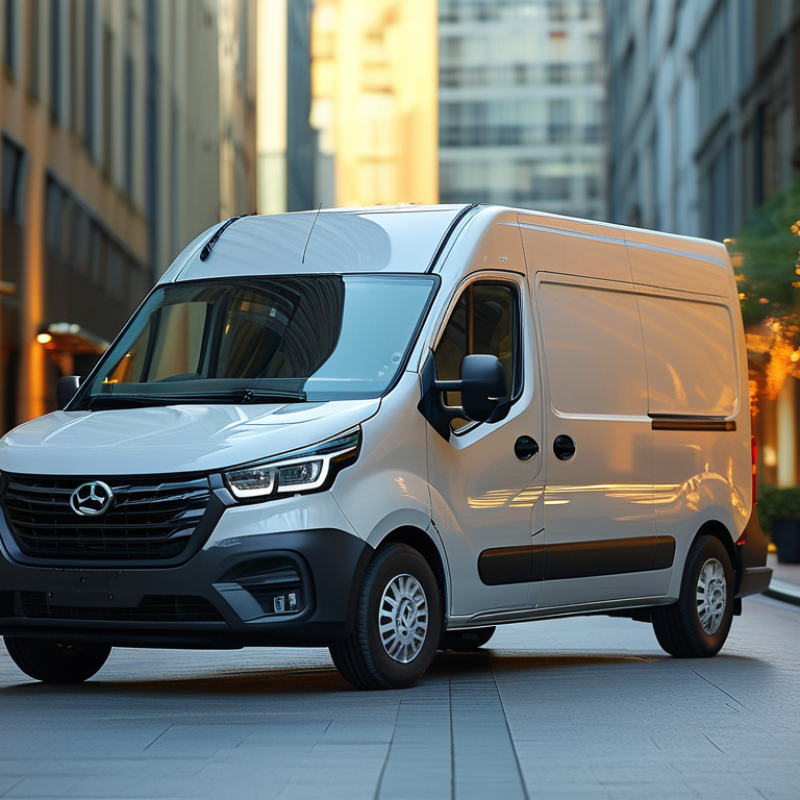
The light vans market is evolving quickly as we head into 2026. Electrification is a key trend, driving demand for eco-friendly delivery options. Many businesses now seek vehicles that minimize their carbon footprint. This shift is reshaping the landscape, influencing both manufacturers and buyers.
Technology integration is also critical. Advanced features, like telematics and driver assistance systems, are becoming standard. These enhancements improve safety and efficiency. Yet, the increasing complexity might confuse some buyers. It raises questions about long-term reliability.
Tip: Buyers should assess their specific needs before making a decision. Consider the average load capacity and range.
Flexibility in design is another trend. Consumers favor models that adapt to various applications. This versatility can be a double-edged sword. While it allows customization, it can also complicate the buying process.
Tip: Engage with industry experts to better understand the options available. This can help clarify which features are essential.
Key Features and Innovations in Top Light Vans of 2026
The light van segment is rapidly evolving with innovations that cater to diverse needs. In 2026, global buyers are seeking vans that offer both efficiency and adaptability. Key features include advanced safety systems, fuel-efficient engines, and flexible cargo solutions. According to the Global Automotive Research Institute, 75% of consumers prioritize safety features in their vehicle choices. This highlights the industry's shift towards incorporating technology that enhances driver and passenger protection.
Electric and hybrid models are gaining traction. The International Energy Agency reported a 50% increase in electric light van registrations in the past year alone. This shift indicates not only a growing environmental awareness but also a necessity for cost-effective operations. However, potential buyers should recognize challenges such as limited charging infrastructure in some regions. Adopting new technologies may offer lower emissions, yet the transition must be well-implemented to avoid logistical headaches.
Innovative cargo management systems are reshaping how businesses utilize these vans. Solutions like modular cargo spaces and automated loading systems are becoming commonplace. Nevertheless, there are still concerns regarding the durability and reliability of such innovations. As the industry pushes forward, addressing these uncertainties will be crucial for manufacturers aiming to capture the global market's attention.
2026 Top Light Vans - Key Features Comparison
Comparative Analysis of Leading Light Vans for Global Buyers
The light van market is witnessing significant shifts in 2026. Global buyers are now prioritizing efficiency and functionality. This comparative analysis highlights leading models that stand out in terms of performance and design.
Many light vans emphasize cargo space and fuel efficiency. Features like low-floor designs enhance accessibility and loading convenience. However, buyers must also factor in maintenance costs. A lower upfront price might lead to higher repairs over time. This aspect is often overlooked.
When comparing vans, consider the following tips. First, assess the interior layout. It should accommodate your specific needs, from storage to passenger space. Next, explore online reviews and forums. Real users provide insights that manufacturer brochures often miss.
Finally, don’t rush the decision. Test drive various models. Each van has its pros and cons. Reflect on your long-term needs to make an informed choice. Balancing features and cost is essential for a wise investment in today’s competitive market.
Sustainability and Environmental Impact of 2026 Light Vans
The light van market is evolving rapidly, particularly concerning sustainability. In 2026, the trend shows a significant shift towards electric and hybrid models. According to a recent industry report, by 2025, over 30% of new light vans sold globally will be electric. This change is driven by increasing consumer demand for eco-friendly transportation options.
The environmental impact of these light vans is noteworthy. Traditional diesel models produce higher carbon emissions. In contrast, electric light vans can reduce overall transport emissions by up to 60%. However, the transition brings challenges. The sustainability of battery production remains a concern. Reports indicate that lithium extraction for batteries can lead to water scarcity in certain regions.
Another aspect to consider is the lifecycle analysis of these vehicles. While electric models reduce emissions during operation, the manufacturing process can be resource-intensive. Manufacturers are exploring recyclable materials to mitigate this impact. They aim to develop a circular economy within the automotive sector. The push for more sustainable practices reflects a necessary evolution in the industry. Balancing production and environmental responsibility is complex but essential for future growth.
Consumer Preferences and Buying Patterns for Light Vans in 2026
In 2026, light vans are gaining traction among global buyers. Consumer preferences reflect a shift towards efficiency and versatility. Buyers desire vehicles that meet both personal and business needs. Trends show interest in eco-friendly options and advanced technology. Drivers are looking for reliable performance without sacrificing comfort.
Tips: Focus on your specific needs before purchasing. Consider factors like fuel efficiency and cargo space. Each detail counts. Evaluate options based on real-world usage rather than theoretical specs. Emphasize reliability and customer reviews to shape your decision.
The buying patterns indicate a rise in online research. Consumers are well-informed and deliberate. They seek vehicles that fit their lifestyle. A van suited for city driving may differ from one ideal for long trips. Flexibility is key. While some prefer compact designs, others need more room for equipment. This range creates a challenge for manufacturers.
Tips: Compare multiple models side by side. Ensure your chosen van offers the features you will actually use. Don’t be swayed by flashy marketing alone. Take time to reflect on what truly matters to you.
